
Menopause & Hormonal Changes: Pelvic Health Physical Therapy in Mequon and Brookfield, WI
Hormonal changes during perimenopause and menopause can contribute to changes in bladder function, vaginal or vulvar comfort, pelvic floor symptoms, intimacy, strength, energy, or how connected you feel to your body. These symptoms are common, but that does not mean you have to live with them.
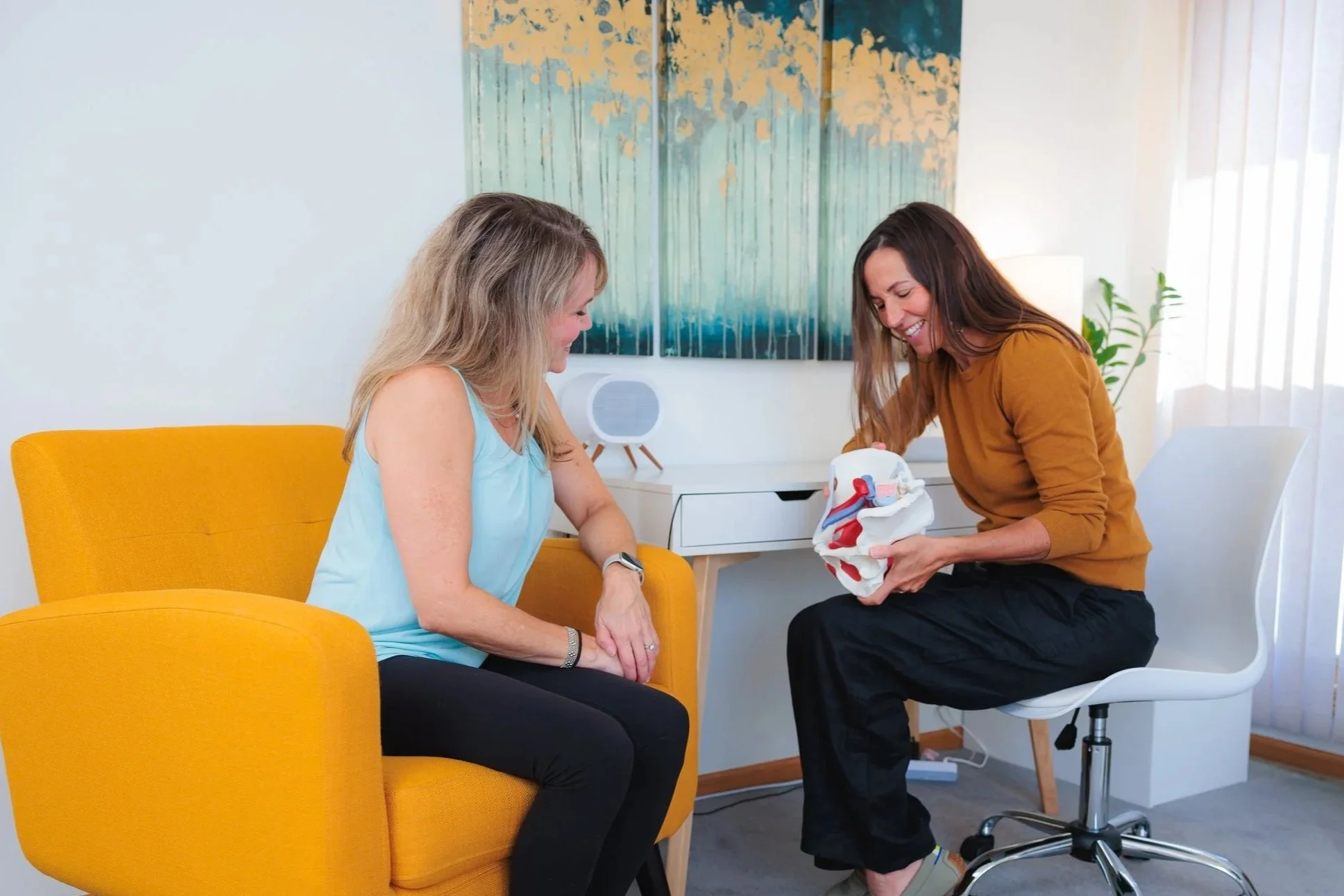
At Cultivate Your Wellbeing, we provide pelvic health physical therapy for menopause and hormonal changes in Mequon and Brookfield, WI, serving the North Shore, the Brookfield area, and surrounding communities. Our doctors of physical therapy and certified pelvic health specialists take a whole-body, individualized approach to care, helping you understand what may be contributing to your symptoms and creating a treatment plan that supports your comfort, confidence, strength, and real life.
We help you understand what may be contributing to your symptoms and build a plan that supports your body, your goals, and your real life.
Pelvic health changes during menopause are common, but you do not have to just live with them
Perimenopause and menopause can bring changes that feel frustrating and confusing. You may notice more bladder urgency, leaking, vaginal dryness, pain with intimacy, pelvic discomfort, recurrent irritation or infections, constipation, changes in strength, or symptoms that seem to appear even though you have not changed anything.
As estrogen levels change, the tissues of the vulva, vagina, urethra, and bladder can become more sensitive, dry, and irritated. This collection of pelvic and urinary symptoms is often referred to as genitourinary syndrome of menopause, or GSM.
At the same time, many people enter this season of life with pelvic floor tension, weakness, coordination issues, poor bladder or bowel habits, impaired movement patterns, or scar tissue from previous pregnancies, births, surgeries, or injuries that may also contribute to symptoms.
At Cultivate Your Wellbeing, we look at the full picture because GSM-related symptoms often involve more than tissue changes alone. We help you understand what is happening in your body, identify the factors that may be contributing to your symptoms, and create a treatment plan that helps you feel more comfortable and confident in daily life. When medical options such as vaginal estrogen or other hormone-related treatments may be helpful, we are happy to collaborate with your healthcare provider as part of a more complete care plan.
Common concerns we support during menopause
At Cultivate Your Wellbeing, we support patients with:
Bladder leakage
Urinary urgency or frequency
Recurrent bladder irritation or UTI-like symptoms
Vaginal dryness, irritation, or discomfort
Pain with intimacy and/or pelvic exams
Genitourinary syndrome of menopause, or GSM-related symptoms
Pelvic pain or vulvar discomfort
Pelvic floor tension or difficulty relaxing
Pelvic floor weakness or difficulty coordinating the muscles
Constipation or bowel leakage
Pelvic heaviness or prolapse symptoms
Low back, hip, pelvic, or tailbone pain
Scar tissue or abdominal restrictions from prior surgeries
Core weakness or difficulty returning to strength training
Changes in balance, strength, posture, or confidence with movement
You do not need to know exactly what category your symptoms fit into before starting care. Part of our role is helping you make sense of what you are experiencing and what support may be helpful.
It is not too late for pelvic physical therapy
Many people wonder whether pelvic PT can still help if symptoms have been present for months or years. Others worry they “missed the window” because they are no longer postpartum, are years into menopause, or have been told their symptoms are normal for their age. It is not too late.
Your body can still respond to support, education, movement, manual therapy, pelvic floor coordination, strength training, bladder and bowel strategies, and changes that help your tissues and nervous system feel safer and more supported. Pelvic floor PT is not only for pregnancy and postpartum. Pelvic health physical therapy can support your body through many seasons of life, including perimenopause, menopause, and the years beyond.
How Cultivate Your Wellbeing can help with menopause and hormonal changes
At Cultivate Your Wellbeing, we start by listening to your story, learning about your symptoms, and understanding your goals. Hormonal changes can affect many parts of life and your care should reflect that.
Treatment may include:
Education about pelvic health changes during perimenopause and menopause
Pelvic floor assessment and coordination
Pelvic floor relaxation when tension is contributing to symptoms
Strengthening when support or coordination needs to improve
Bladder retraining and urgency strategies
Bowel and constipation support
Guidance for vaginal dryness, irritation, and comfort with intimacy
Education about lubricants, moisturizers, and when to discuss vaginal estrogen or other medical options with your provider
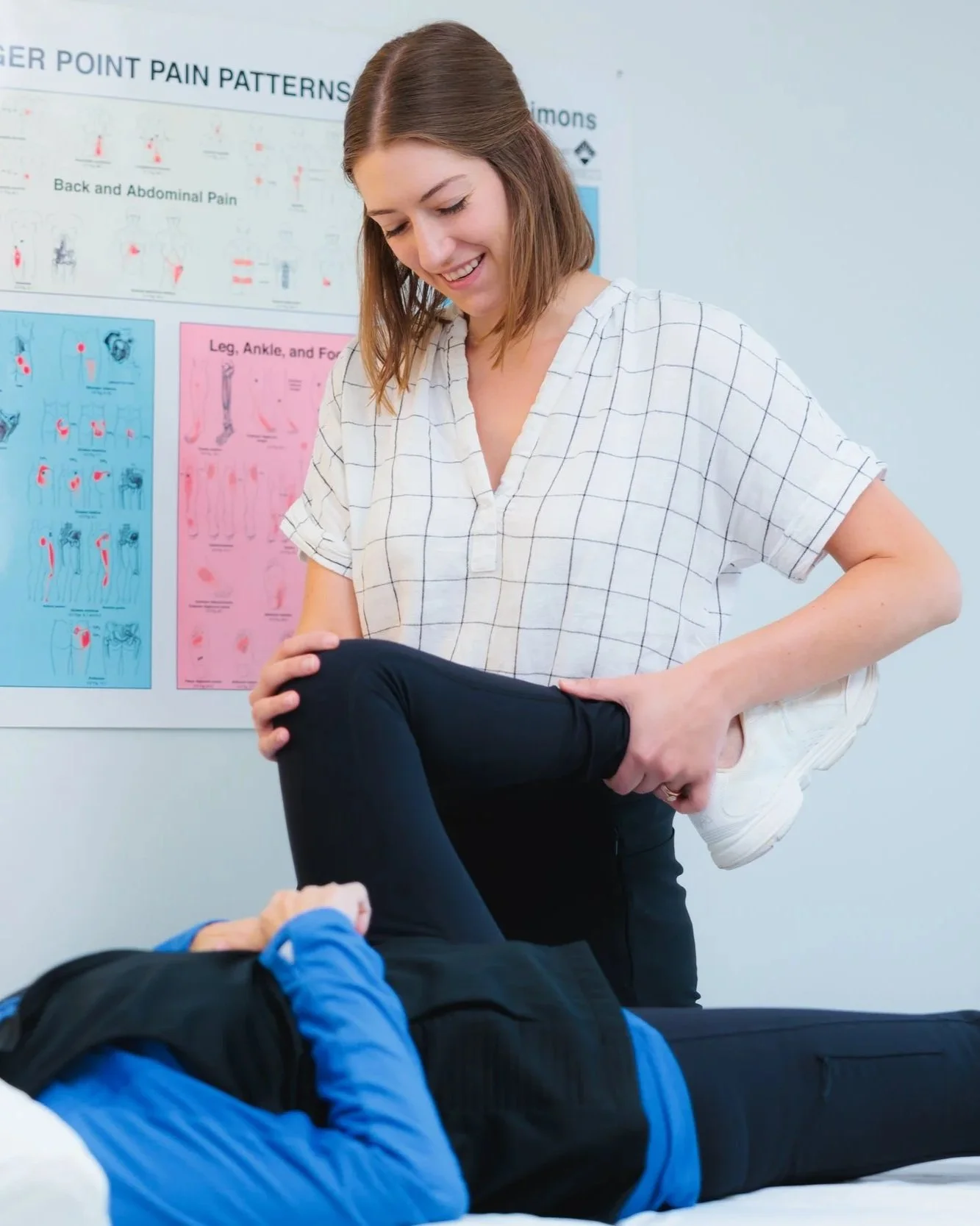
Manual therapy for pelvic, hip, abdominal, scar, or low back restrictions
Breathwork and pressure management
Core and hip strengthening
Balance, posture, and movement strategies
Return-to-exercise or strength training support
A personalized home program that fits your life
We are not here to replace your medical provider or manage hormone prescriptions. We are here to support the musculoskeletal, pelvic floor, bladder, bowel, sexual health, and movement pieces that can be affected by hormonal changes. When medical options may be helpful, we love collaborating with your other healthcare providers or helping you find one if you are not already connected.
Pelvic floor symptoms are not always about weakness
It is common to assume pelvic floor symptoms mean the muscles are weak. Sometimes strengthening is part of the plan, but just as often symptoms arise from too much tension in the pelvic floor muscles or difficulty with coordination. At Cultivate, we assess what your body is actually doing so your plan is based on your symptoms, your comfort level, and your goals.
Strength matters as hormones change
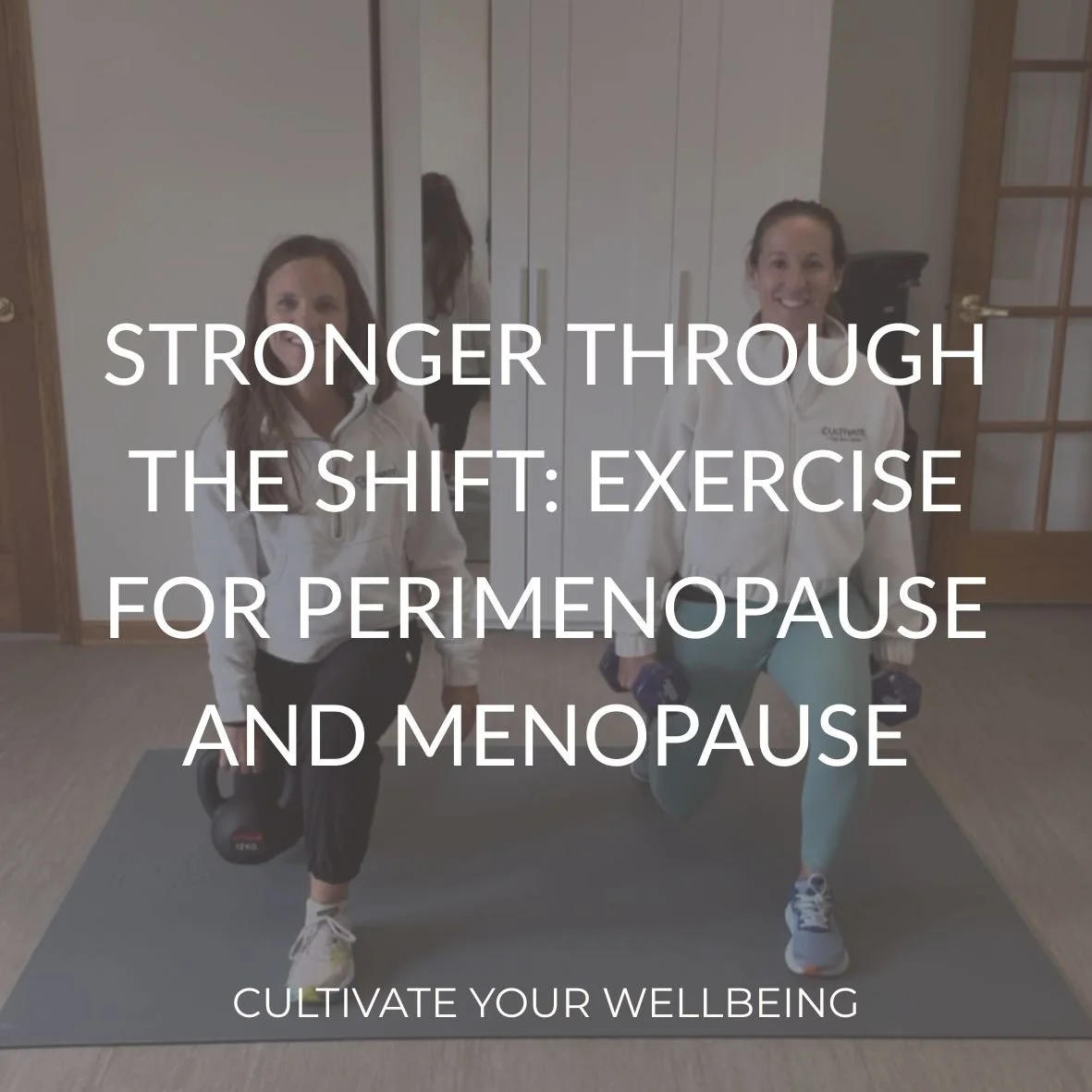
Hormonal changes can influence muscle mass, bone health, balance, recovery, and how your body responds to exercise. Strength training can be an important part of supporting your body through perimenopause, menopause, and beyond. But many people are unsure where to start, especially if they are also dealing with leaking, prolapse symptoms, pelvic pain, back pain, or feeling disconnected from their core.
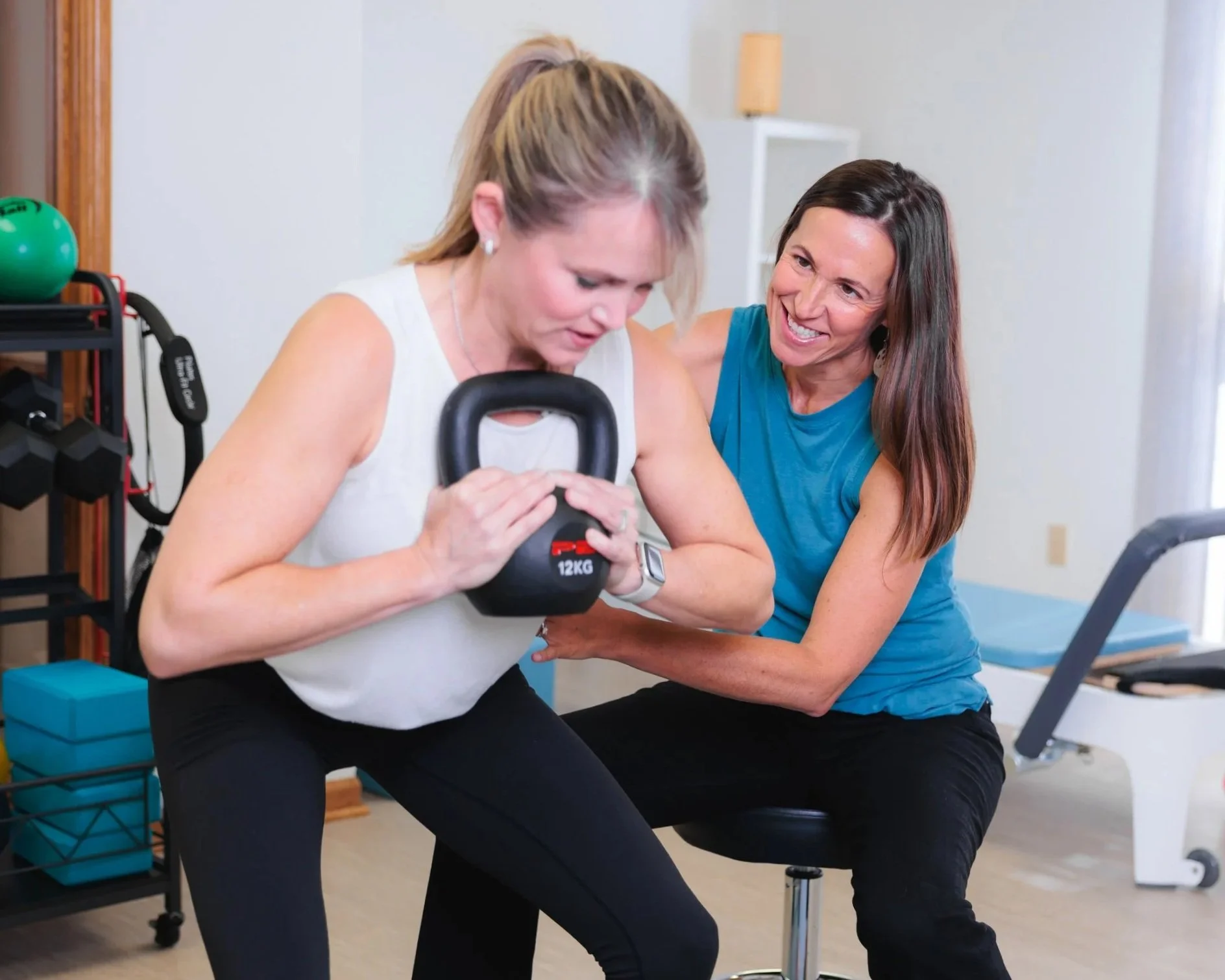
At Cultivate Your Wellbeing, we help you build strength in a way that supports your pelvic floor, core, posture, and daily life. That may mean learning how to manage pressure, coordinate breath and movement, modify exercises when needed, and progress in a way that feels realistic and confidence-building.
Our goal is not just to help you avoid symptoms. Our goal is to help you feel strong, capable, and confident in your body.
Menopause symptoms deserve thoughtful care
Symptoms related to perimenopause and menopause have been dismissed for too long. Although these changes are getting more attention, we still hear from patients who were told their symptoms were normal, expected, or simply something they had to live with.
You deserve a team that listens, helps you understand your options, and supports you in feeling strong, comfortable, and confident through this season of life.
At Cultivate Your Wellbeing, we are passionate about helping patients navigate pelvic health changes with education, compassion, and care that looks at the whole picture.
Related reading from our blog
Want to learn more? These resources may help you better understand how pelvic floor physical therapy can support perimenopause and menopause.

Patient Experiences
“I highly recommend Katie at Cultivate Your Wellbeing for anyone seeking pelvic floor therapy. Her expertise, kindness, and respect create an environment where you can truly feel comfortable and cared for. I’m so grateful for the experience and the positive impact it has had on my well-being.”
“I have already told many other women about my treatment - I highly recommend Cultivate Your Wellbeing for anyone experiencing painful and chronic pelvic floor issues.”
“My experience has been so positive! Working with Jennie has brought profound changes and improvements— She is highly professional, caring and responsive to my needs and question in my visits and if something else comes up in between. I highly recommend as a worthwhile investment in your health.”
Frequently Asked Questions
-
Yes. Pelvic health physical therapy can help address many symptoms that may show up during perimenopause, menopause, and the years beyond, including bladder leakage, urgency, pelvic pain, pain with intimacy, constipation, pelvic heaviness, core weakness, and changes in strength or movement confidence.
At Cultivate Your Wellbeing, we look at how your pelvic floor, core, hips, back, bladder, bowel habits, tissue health, movement patterns, and goals fit together so your care is specific to you.
-
Pelvic PT can help with some of the musculoskeletal and pelvic floor factors that may contribute to pain with intimacy, burning, tightness, irritation, or discomfort with pelvic exams.
At Cultivate, treatment may include education, pelvic floor relaxation, manual therapy, nervous system support, breathing strategies, and guidance for comfort with intimacy. We can also talk through lubricants, moisturizers, and when to discuss medical options such as vaginal estrogen with your healthcare provider.
-
Genitourinary syndrome of menopause, often called GSM, describes changes that can happen when estrogen levels decline and tissues of the vulva, vagina, urethra, and bladder become more sensitive or less supported.
GSM may contribute to vaginal dryness, burning, irritation, pain with intimacy, urinary urgency, recurrent UTI-like symptoms, or discomfort with pelvic exams. Pelvic health physical therapy at Cultivate can be an important part of your care plan, especially when pelvic floor tension, pain, bladder symptoms, or movement patterns are also involved.
-
Yes. Bladder leakage, urgency, frequency, and waking at night to urinate are common concerns during perimenopause and menopause, but they are not something you have to simply accept.
Pelvic floor therapy may include bladder retraining, pelvic floor coordination, strengthening when appropriate, relaxation when needed, urgency strategies, fluid and habit education, and support for how your body manages pressure during daily life and exercise.
-
Not necessarily. Kegels can be helpful for some people, especially when learning how to find and coordinate the pelvic floor muscles. But Kegels are not the full answer for every pelvic health symptom.
Sometimes symptoms are related to weakness. Sometimes they are related to tension, overactivity, pain sensitivity, poor coordination, tissue changes, bladder or bowel habits, breathing, posture, or movement patterns. At Cultivate, we assess what your body is actually doing so your plan makes sense for you.
-
No. It is not too late.
Many people come to us after months or years of symptoms and still make meaningful progress. The goal is to understand what is contributing to your symptoms now and build a plan that supports comfort, function, strength, and confidence moving forward.
-
Not always. An internal pelvic floor assessment can provide helpful information about pelvic floor strength, tension, tenderness, coordination, and tissue sensitivity, but it is never required.
We can also assess breathing, posture, movement, hips, low back, abdomen, pressure management, and external pelvic floor function. We will always explain your options, answer your questions, and ask for your consent before any part of your exam or treatment.
What to Expect
Your care is always one-on-one and tailored to your goals. Sessions may include hands-on treatment, movement and exercise, and education to help you better understand your body and symptoms. We move at your pace and prioritize your comfort every step of the way.
Not Sure Where to Start?
Hormonal changes can affect many parts of pelvic health, including bladder symptoms, bowel function, intimacy, strength, pelvic comfort, and confidence with movement. If you are navigating symptoms during perimenopause, menopause, or another season of hormonal change, we can help you find the right starting point.
You can schedule an evaluation online, call or text our office, or request a free 15-minute virtual consult. Our team can answer questions, help you schedule at our Mequon or Brookfield location, and talk through whether pelvic health physical therapy is the right next step.
Wondering if Pelvic Health Physical Therapy is right for you? Book a Free 15 Minute Consult.