
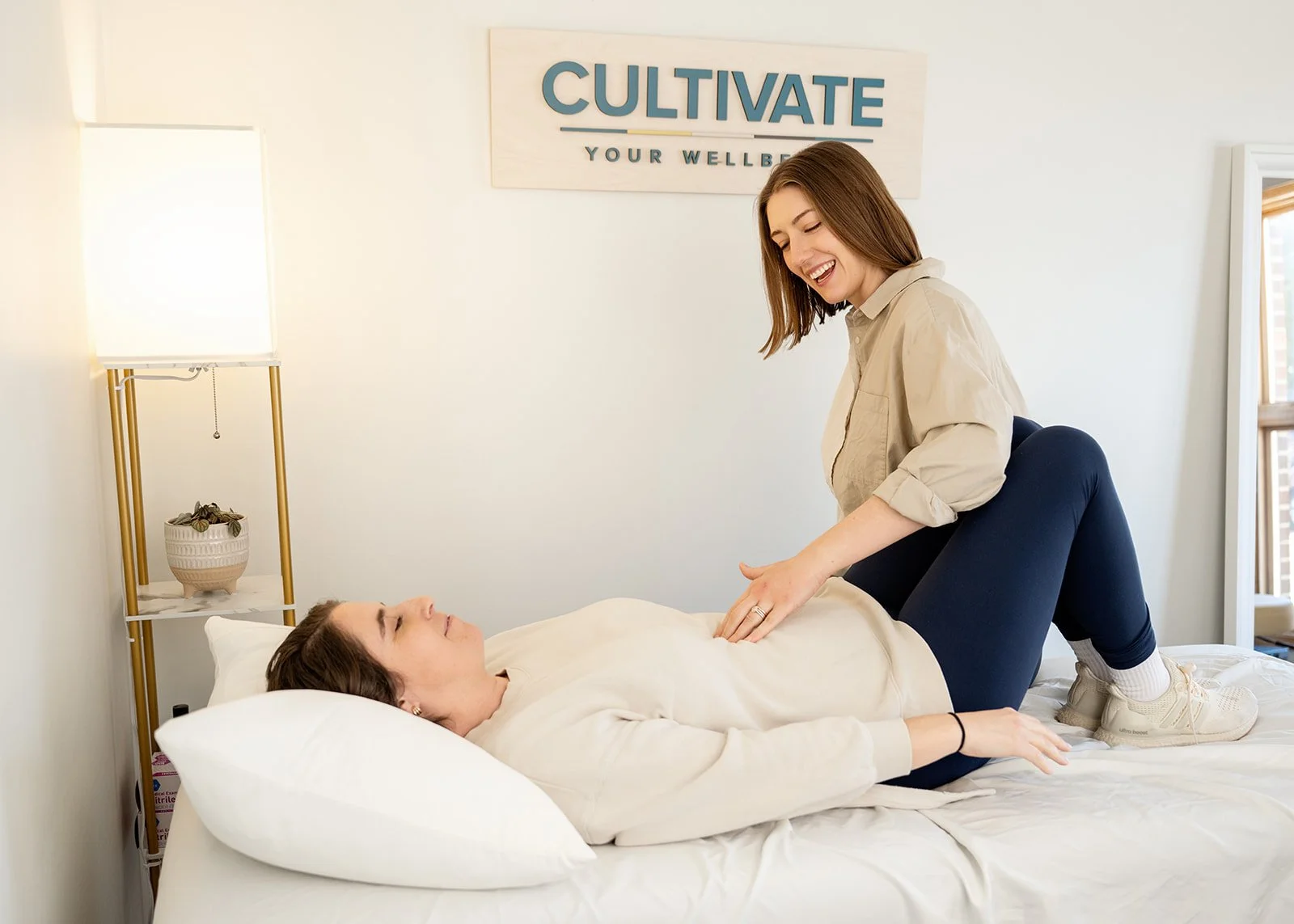
Hysterectomy Care: Pelvic Floor Physical Therapy in Mequon and Brookfield, WI
A hysterectomy is a major surgery, and recovery can involve more than waiting for incisions to heal or restrictions to be lifted. You may be preparing for surgery, navigating early recovery, or months out and wondering why you still feel pelvic pressure, abdominal discomfort, bladder or bowel changes, pain with intimacy, core weakness, scar sensitivity, or uncertainty with movement.
You deserve care that helps you understand your body before and after surgery.
At Cultivate Your Wellbeing, we provide pelvic health physical therapy for hysterectomy care at our Mequon and Brookfield, WI locations. Our doctors of physical therapy and certified pelvic health specialists take a whole-body, individualized approach to care so you feel supported, informed, and more confident through each stage of recovery.
Hysterectomy recovery does not end when restrictions are lifted
Preparing for hysterectomy surgery
Understanding pelvic floor, core, and pressure management before surgery
Pelvic pressure or heaviness
Bladder urgency, frequency, leakage, or difficulty emptying
Constipation, straining, or incomplete bowel emptying
Pain with intimacy or pelvic exams
Pelvic floor overactivity or difficulty relaxing
Pelvic floor weakness or difficulty coordinating the muscles
Abdominal discomfort, pulling, tightness, or scar sensitivity
Core weakness or difficulty reconnecting with the abdominal wall
Low back, hip, pelvic, or tailbone pain
Difficulty returning to lifting, walking, exercise, running, or Pilates
Fear or uncertainty about what movement is safe
Symptoms that continue after surgical restrictions are lifted
Recovery after hysterectomy related to endometriosis, adenomyosis, prolapse, fibroids, or pelvic pain
You do not need to wait until symptoms feel severe to get support. Pelvic health PT can be helpful before surgery, during recovery, and after you have been cleared to return to activity.
Common concerns we support before and after hysterectomy
At Cultivate Your Wellbeing, we commonly support patients with:
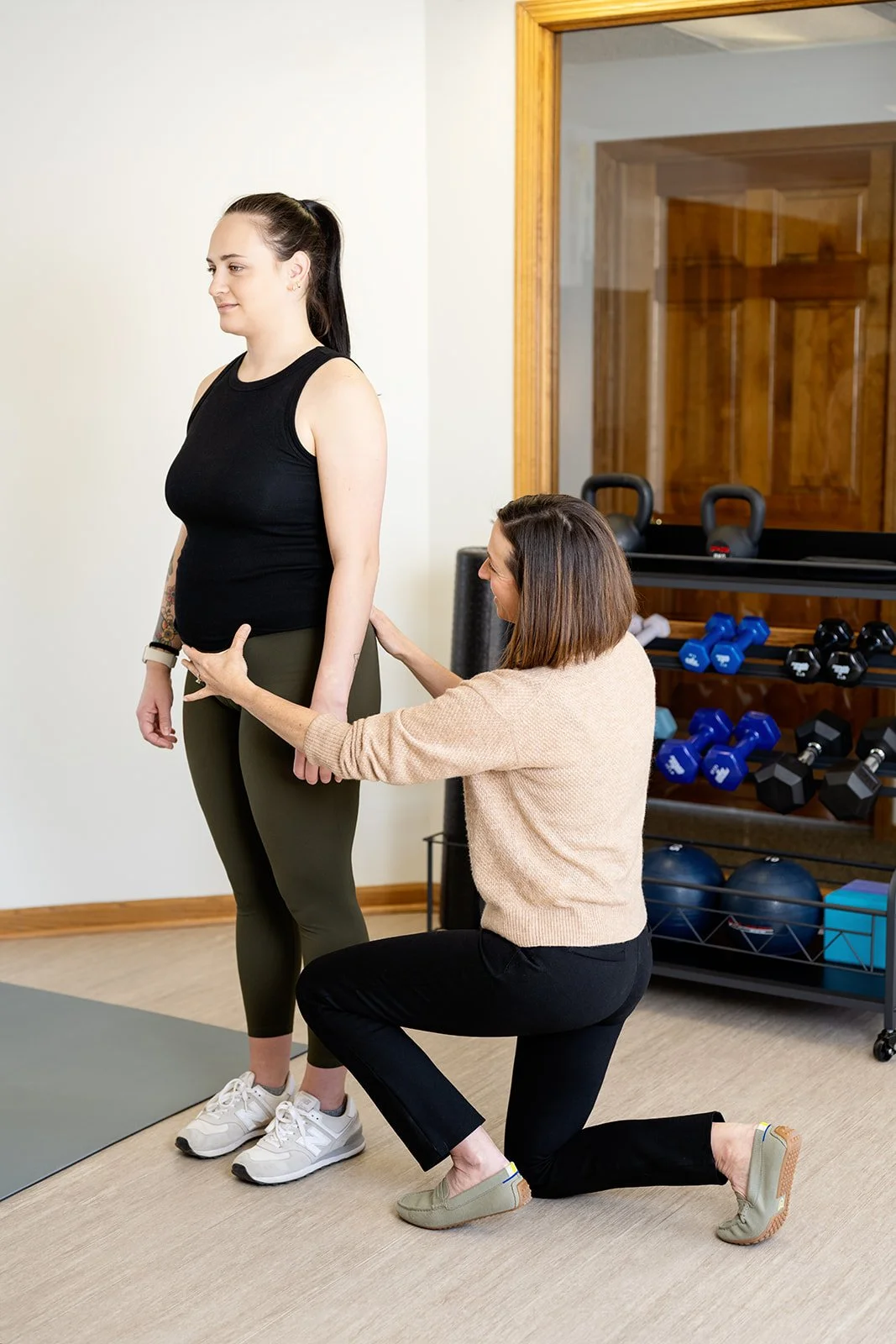
Even when surgery goes well, your body still needs time and support to recover. A hysterectomy can affect the abdominal wall, pelvic floor, connective tissue, bladder, bowel, hips, back, scars, breathing patterns, and the way your body manages pressure during daily movement.
For some people, symptoms are present before surgery because of endometriosis, adenomyosis, fibroids, heavy bleeding, prolapse, pelvic pain, bladder symptoms, or bowel concerns. For others, symptoms show up during recovery or after they return to lifting, exercise, work, intimacy, or daily routines.
Pelvic health physical therapy can help you understand what may be contributing to your symptoms and build a plan that supports your body as you heal.
Pelvic health physical therapy before hysterectomy
A pre-surgery visit does not need to be complicated to be helpful. Preparing for hysterectomy often starts with understanding how your pelvic floor, core, breathing, bowel habits, bladder habits, and movement strategies may influence your recovery.
Before surgery, pelvic health physical therapy can help you understand what your body is already doing well and what may need support. This may include learning how to coordinate the pelvic floor, reduce unnecessary gripping or guarding, manage pressure with daily movements, support bowel regularity, and prepare for the gradual return to activity after surgery.
Before hysterectomy, care may focus on:
Understanding what to expect during recovery
Learning how to manage pressure with rolling, sitting, standing, lifting, and coughing
Supporting bowel habits to reduce constipation and straining after surgery
Reviewing breathing and gentle mobility strategies
Assessing pelvic floor tension, strength, relaxation, or coordination when appropriate
Discussing scar care and what to expect once incisions have healed
Planning for return to movement, work, exercise, and daily activities
Identifying symptoms that may need support after surgery
Internal pelvic floor assessment may be helpful for some patients before surgery, but it is never required. We will always explain your options and move at your pace.
Your care should be built around your body, your story, and your goals
Pelvic floor symptoms after hysterectomy are not always about weakness
After hysterectomy, many people are told to strengthen their pelvic floor or reconnect with their core. Strength can be important, but it is not always the first or only thing your body needs.
Some patients develop or continue to experience pelvic floor overactivity, also called a hypertonic pelvic floor. This means the pelvic floor muscles may have difficulty relaxing, lengthening, or coordinating well with the breath, abdomen, bladder, bowel, and hips.
Pelvic floor overactivity can contribute to symptoms such as urinary urgency, frequency, constipation, incomplete emptying, pelvic aching, vaginal or rectal pressure, pain with intimacy, pain with pelvic exams, tailbone pain, hip pain, or difficulty feeling connected to the pelvic floor.
This does not mean your body is doing something wrong. It often means your body has been protecting, guarding, compensating, or responding to pain, surgery, stress, scar tissue, inflammation, or changes in movement.
Skilled pelvic floor physical therapy can help determine whether your body needs relaxation, coordination, strengthening, mobility, pressure management, or a combination of support.
Bowel, bladder, and sexual symptoms after hysterectomy deserve support
Bowel and bladder changes after hysterectomy can feel frustrating, especially if you were not expecting them. Some people notice urinary urgency, frequency, leakage, constipation, straining, incomplete emptying, or difficulty relaxing enough to fully empty.
Others notice pain with intimacy, discomfort with pelvic exams, vaginal aching, pelvic pressure, or a sense that the pelvic floor does not feel the same after surgery.
These symptoms can be influenced by pelvic floor coordination, abdominal and scar mobility, bowel and bladder habits, breathing, pressure management, pain sensitivity, hormonal changes, nervous system protection, and movement patterns.
At Cultivate Your Wellbeing, we look at the full picture so your symptoms are not treated as separate, disconnected problems. Our goal is to help you understand what may be contributing and create a plan that helps you feel more comfortable and confident in daily life.
Your care should be built around your body, your story, and your goals
How Cultivate Your Wellbeing can help with hysterectomy care
You are in control of your care
At Cultivate Your Wellbeing, hysterectomy care is individualized to your surgery, symptoms, goals, and stage of recovery. We look beyond one muscle group or one exercise list to understand how your whole system is functioning.
Your treatment plan may include:
Education about healing, recovery, and what to expect
Pelvic floor assessment and coordination
Pelvic floor relaxation, downtraining, or strengthening, depending on what your body needs
Core reconnection and progressive strengthening
Scar mobility once incisions are healed
Abdominal, pelvic, hip, or low back manual therapy
Visceral or fascial techniques when appropriate
Breathwork and pressure management
Bowel strategies for constipation, straining, or incomplete emptying
Bladder strategies for urgency, frequency, leakage, or difficulty emptying
Support for pain with intimacy or pelvic exams
Movement retraining for lifting, walking, stairs, exercise, Pilates, or running
Return-to-exercise progression
A personalized home program that fits your life
Pelvic health PT is not about rushing your recovery or giving you a generic list of exercises. Our goal is to help you understand what may be contributing to your symptoms and create a plan that supports your body, your goals, and your real life.
Scar mobility can affect how your body moves
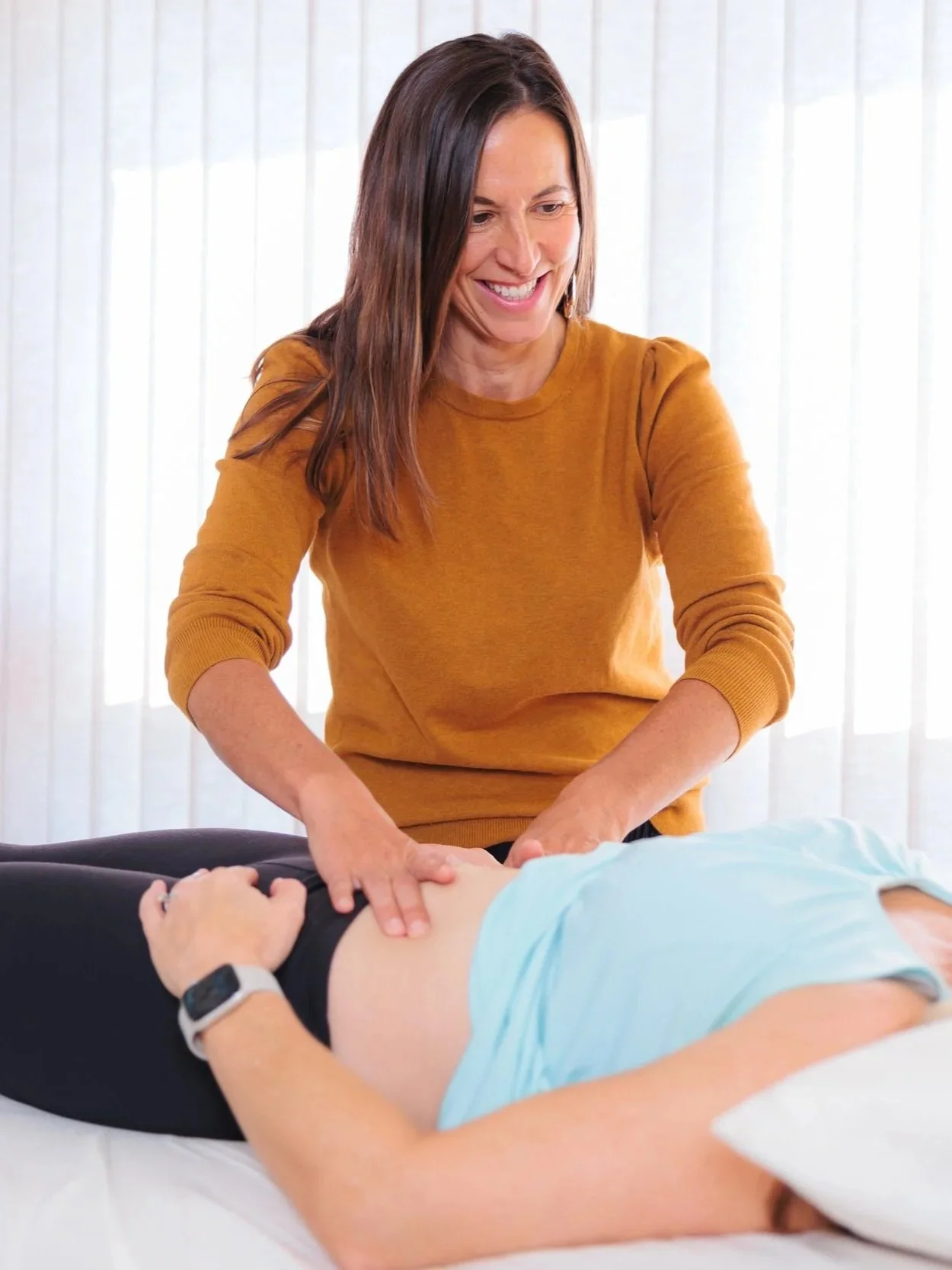
After hysterectomy, scar tissue and abdominal healing can influence how the core, pelvic floor, hips, back, and surrounding tissues move together. Even small laparoscopic incisions can contribute to pulling, sensitivity, numbness, tightness, or difficulty reconnecting with the abdominal wall.
Scar mobility work is not about forcing tissue or aggressively “breaking up” scar tissue. At Cultivate Your Wellbeing, we use gentle, individualized strategies to support tissue mobility, comfort, and connection as your body heals.
Scar care may be especially helpful if you notice pulling, tenderness, numbness, sensitivity, tightness with movement, or symptoms that seem connected to the abdomen, pelvis, hips, back, or pelvic floor.
Returning to movement, core exercise, and strength after hysterectomy
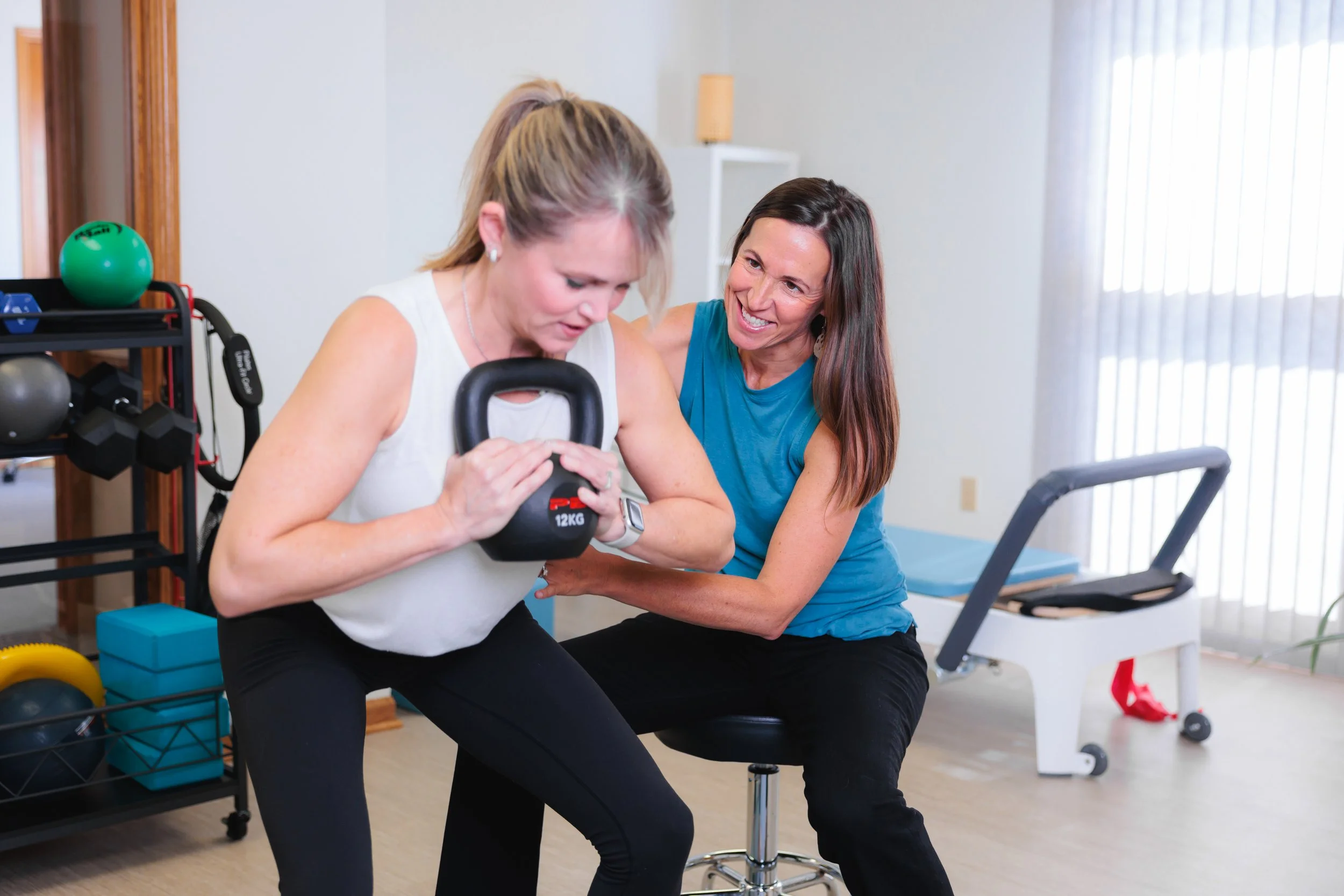
One of the hardest parts of hysterectomy recovery can be knowing how to move forward once restrictions are lifted. Medical clearance is an important milestone, but it does not always mean your body feels ready for lifting, exercise, core work, Pilates, running, or the demands of daily life.
At Cultivate Your Wellbeing, we help you rebuild gradually. Instead of focusing on a universal list of “bad” exercises, we help you understand how your body responds to load, pressure, fatigue, breath, symptoms, and recovery.
Pelvic health physical therapy can help you move from “Am I allowed to do this?” toward “Is my body ready for this right now, and how can we help it get there?”
The goal is not to avoid movement forever. The goal is to help your body feel prepared for the demands of your life.
Hysterectomy care often works best with a team
Pelvic health physical therapy does not replace medical care from your surgeon or gynecologist. We do not determine when you are medically cleared after surgery, and we always encourage you to follow your surgeon’s post-operative instructions.
What we can do is help support the muscle, movement, scar tissue, bowel, bladder, pelvic floor, core, pain, intimacy, and return-to-activity pieces that often need attention before or after hysterectomy.
At Cultivate Your Wellbeing, we are happy to collaborate with your healthcare team when needed so your care feels more connected and supportive.
What to Expect at Cultivate Your Wellbeing
Hysterectomy care can feel personal, especially when symptoms involve pelvic pain, bladder or bowel changes, intimacy, scars, or uncertainty about your body after surgery. At Cultivate Your Wellbeing, your first visit gives us time to listen to your story, understand your surgery history or upcoming surgical plan, and talk through what you want to feel more confident doing again.
Our care is education-first because we believe one of the best ways to support recovery is to help you understand your body. When you understand what may be contributing to your symptoms, your plan starts to make more sense and you can feel more involved in decisions about your care.
Each visit is one-on-one with a doctor of physical therapy and tailored to your body, your comfort level, and your goals. We will always explain your options, answer your questions, and ask for your consent before any part of your exam or treatment.
Related reading from our blog
Want to learn more? These resources may help you better understand how pelvic floor physical therapy can support you before and after a hysterectomy
Patient Experiences
“Katie Tredo is an outstanding physical therapist! Katie’s high level of expertise was made clear to me within the first 10 minutes of conversation that we had and was born out from ensuing experiences. Katie is both very intelligent, and very compassionate, - two traits that, unfortunately, do not always co-exist.
My therapy with Katie could not be described as anything but a resounding success and it has significantly and positively impacted the quality of my life. I highly recommend Katie for anyone in need - I know, from experience, that you will not be disappointed in having made that choice. Rather, you will count your self as fortunate for having done so.”
Frequently Asked Questions
-
Yes. Pelvic health physical therapy before hysterectomy can help you understand your pelvic floor, core, bowel habits, bladder habits, and movement strategies before surgery.
A pre-surgery visit can also help you prepare for the early recovery period, learn how to reduce strain with daily movements, talk through constipation prevention, and create a plan for returning to activity after surgery.
-
The best timing depends on your surgery, your surgeon’s instructions, and how you are healing.
Some people benefit from a pre-surgery visit and then return after their surgeon has cleared them for physical therapy. Others start later when they notice pain, pressure, weakness, bladder or bowel changes, scar sensitivity, pain with intimacy, or uncertainty with exercise.
If you are unsure when to start, you can contact our office to set up a free consult to see when pelvic health physical therapy would be appropriate for you.
-
Being medically cleared after hysterectomy is an important milestone, but clearance does not always mean your body feels ready for everything you want to do.
You may still feel unsure about lifting, exercising, core work, running, intimacy, bowel and bladder function, scar mobility, or how to know whether symptoms are a sign to modify. Pelvic health PT can help bridge the gap between healing from surgery and feeling confident in real life.
At Cultivate Your Wellbeing, we help you understand how your body is responding to movement, pressure, fatigue, breath, and load so you can rebuild gradually and safely.
-
Yes. Pelvic floor PT may help with bladder urgency, frequency, leakage, constipation, straining, incomplete emptying, or difficulty coordinating the pelvic floor after hysterectomy.
These symptoms may be connected to pelvic floor overactivity, weakness, coordination issues, abdominal mobility, scar tissue, pressure management, bowel and bladder habits, nervous system sensitivity, or how your body is moving after surgery.
-
A hypertonic pelvic floor means the pelvic floor muscles have difficulty relaxing, lengthening, or coordinating well. This can happen before or after hysterectomy and may be related to pain, guarding, scar tissue, inflammation, stress, long-standing symptoms, or changes in movement.
A hypertonic pelvic floor can contribute to urinary urgency, frequency, constipation, incomplete emptying, pelvic pressure, pain with intimacy, pain with pelvic exams, pelvic aching, hip pain, tailbone pain, or difficulty feeling connected to the pelvic floor.
Pelvic floor physical therapy can help determine whether relaxation, coordination, strengthening, mobility, or pressure management would be most helpful.
-
Yes. Pain with intimacy after hysterectomy may be influenced by pelvic floor overactivity, scar tissue, tissue sensitivity, hormonal changes, nervous system protection, fear or guarding, bladder or bowel symptoms, or changes in how your body feels after surgery.
At Cultivate Your Wellbeing, care is always respectful and consent-based. We help you understand what may be contributing to pain and build a plan that supports comfort, confidence, and choice.
-
Yes. Once your incisions are healed and your surgeon has cleared you, our therapists can help address scar mobility, abdominal tightness, pulling, sensitivity, numbness, or discomfort around scars.
Scar work may include gentle mobility techniques, desensitization, education, visceral manipulation, breathing strategies, and movement that helps the abdominal wall and surrounding tissues move more comfortably.
-
Yes. Even with small incisions, laparoscopic hysterectomy is still a major surgery. The abdominal wall, pelvic floor, connective tissue, bladder, bowel, hips, back, and core system may all need support during recovery.
Pelvic floor physical therapy can help with scar mobility, core reconnection, pelvic floor coordination, pressure management, bowel and bladder symptoms, pain with intimacy, and return to movement.
-
Your surgeon determines when you are medically cleared to return to exercise after laparoscopic hysterectomy. Once you are cleared, that does not always mean you need to jump back into every activity at full intensity right away.
Returning to core exercise, lifting, running, Pilates, or impact is often best done gradually. Pelvic health physical therapy can help you understand how your body responds to pressure, load, fatigue, breath, and symptoms so you can progress with more confidence.
The goal is not to avoid exercise. The goal is to rebuild in a way that supports your healing body and your long-term strength.
-
Not always. An internal pelvic floor assessment can provide helpful information about pelvic floor tension, tenderness, coordination, strength, relaxation, and how the muscles respond to breath or movement, but it is never required.
We can also assess breathing, posture, hips, low back, abdomen, scar tissue, movement patterns, pressure management, and external pelvic floor function. We will always explain your options, answer your questions, and ask for your consent before any part of your exam or treatment.
-
No. It is not too late to get support.
Some people continue to notice scar sensitivity, pelvic pressure, bladder or bowel symptoms, pain with intimacy, core weakness, hip or back pain, or difficulty returning to exercise months or years after hysterectomy. Pelvic health physical therapy can still help you understand what may be contributing and create a plan that supports your goals.
What to Expect
Your care is always one-on-one and tailored to your goals. Sessions may include hands-on treatment, movement and exercise, and education to help you better understand your body and symptoms. We move at your pace and prioritize your comfort every step of the way.
Not Sure Where to Start?
Hysterectomy recovery can feel different for every person. Whether you are preparing for surgery, recently recovering, or months or years out and still noticing symptoms, you do not have to figure it out alone.
You can schedule an evaluation online, call or text our office, or request a free 15-minute virtual consult. Our team can answer questions, help you schedule at our Mequon or Brookfield location, and talk through whether pelvic health physical therapy is the right next step.
Wondering if Pelvic Health Physical Therapy is right for you? Book a Free 15 Minute Consult.