
C-Section Recovery Physical Therapy in Mequon and Brookfield, WI
Cesarean birth is a major abdominal surgery, and recovery involves more than waiting for the incision to heal.
After a C-section, recovery can feel overwhelming. Your incision may be healing, but your abdomen, scar, core, pelvic floor, back, and whole body may still feel different than they did before pregnancy and birth. You may feel tender, tight, disconnected, or unsure how much movement is too much. And while your body is healing, life is still moving. You may be caring for a baby, feeding around the clock, sleeping less than usual, and trying to recover in the middle of real postpartum life.
At Cultivate Your Wellbeing, we provide C-section recovery physical therapy in Mequon and Brookfield, WI, serving the North Shore, the Brookfield area, and surrounding communities. Our doctors of physical therapy and certified pelvic health specialists take a whole-body, individualized approach to cesarean recovery.
We help you understand how your scar, abdominal wall, pelvic floor, breath, posture, strength, and movement patterns are working together so you can feel more comfortable, supported, and confident in your body.
C-section recovery is about more than your incision healing
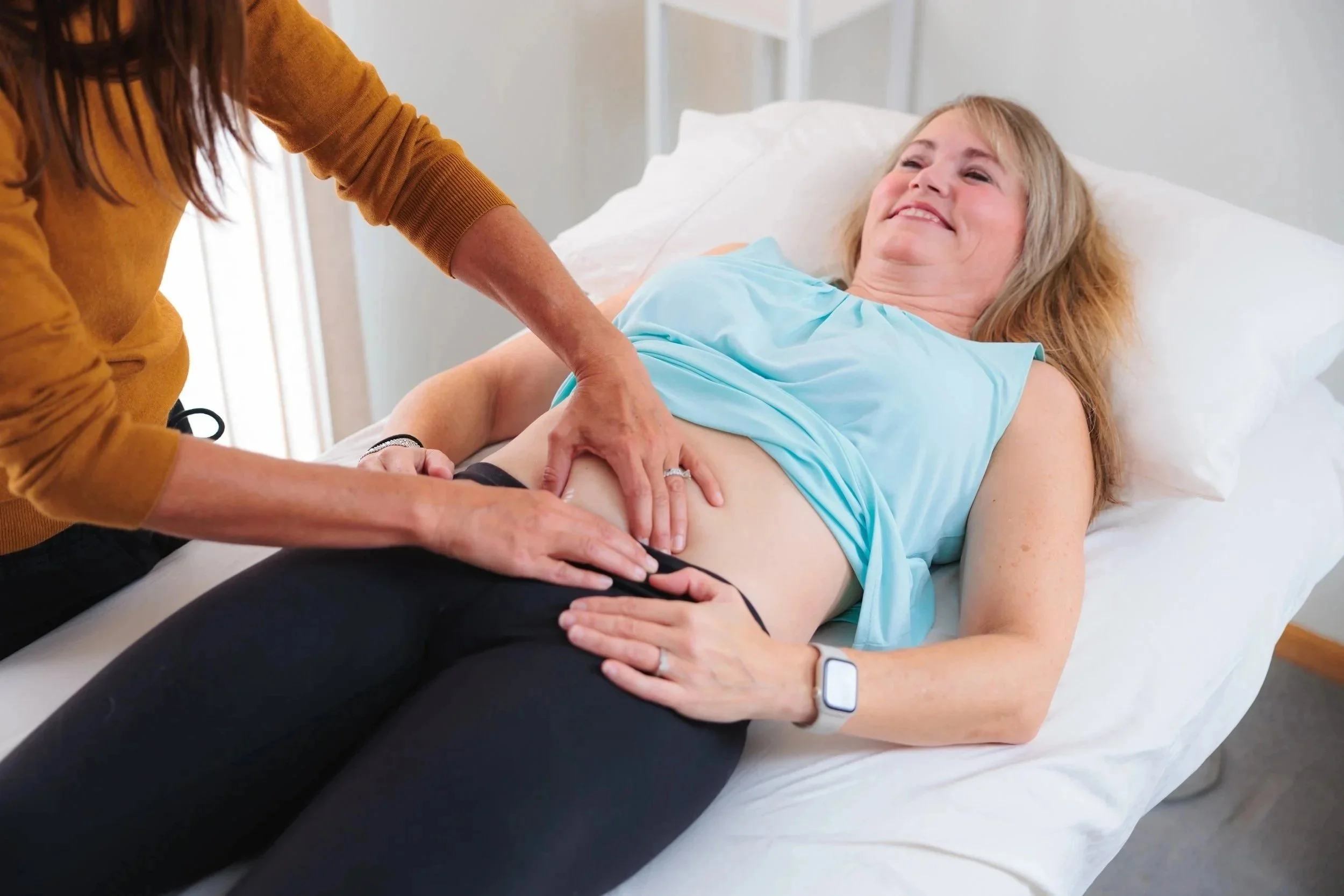
A C-section incision may look healed on the outside within several weeks, but the body continues to recover below the surface. During a cesarean birth, several layers of tissue are affected, including skin, fascia, abdominal tissue, and the uterus. As those tissues heal, they can influence how your abdomen, core, pelvic floor, hips, back, and scar area feel and function.
Some people feel tightness, pulling, numbness, tenderness, or sensitivity around the scar. Others notice abdominal tension, difficulty engaging their core, back pain, pelvic pressure, bladder symptoms, constipation, pain with intimacy, or hesitation with lifting, carrying, or exercise. These symptoms are common, but they are not something you have to simply push through.
At Cultivate Your Wellbeing, our goal is to help you understand what your body needs after cesarean birth and build a recovery plan that supports your symptoms, your goals, and your real life.
Common concerns we support after a C-section
At Cultivate Your Wellbeing, we commonly support patients with:
C-section scar tenderness, tightness, pulling, or sensitivity
Numbness or altered sensation around the incision
Abdominal tightness or discomfort
Core weakness or difficulty reconnecting with the abdominal muscles
Diastasis recti or abdominal doming
Low back, hip, rib, pelvic, or tailbone pain
Pelvic floor tension, weakness, or coordination concerns
Pelvic pressure or heaviness
Bladder leakage, urgency, or frequency
Constipation or difficulty with bowel movements
Pain with intimacy or medical exams
Difficulty lifting, carrying, bending, or returning to daily activities
Uncertainty about returning to walking, running, strength training, Pilates, or other exercise
Symptoms after repeat C-sections or older C-section scars
You do not need to have a specific diagnosis to start care. If something feels different, uncomfortable, disconnected, tight, weak, or hard to trust, we can help you understand what may be contributing to your symptoms.
Why the pelvic floor still matters after a C-section
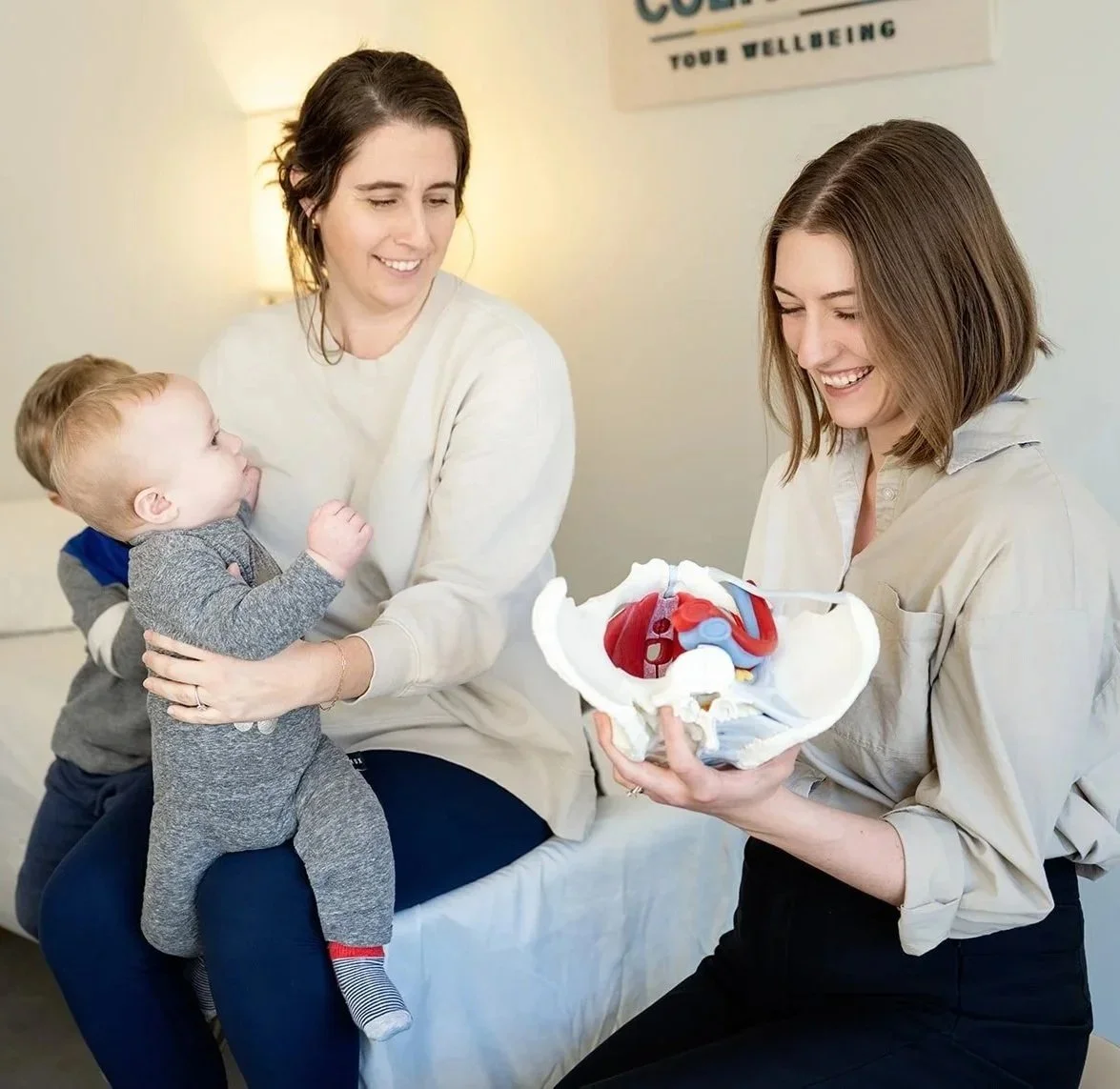
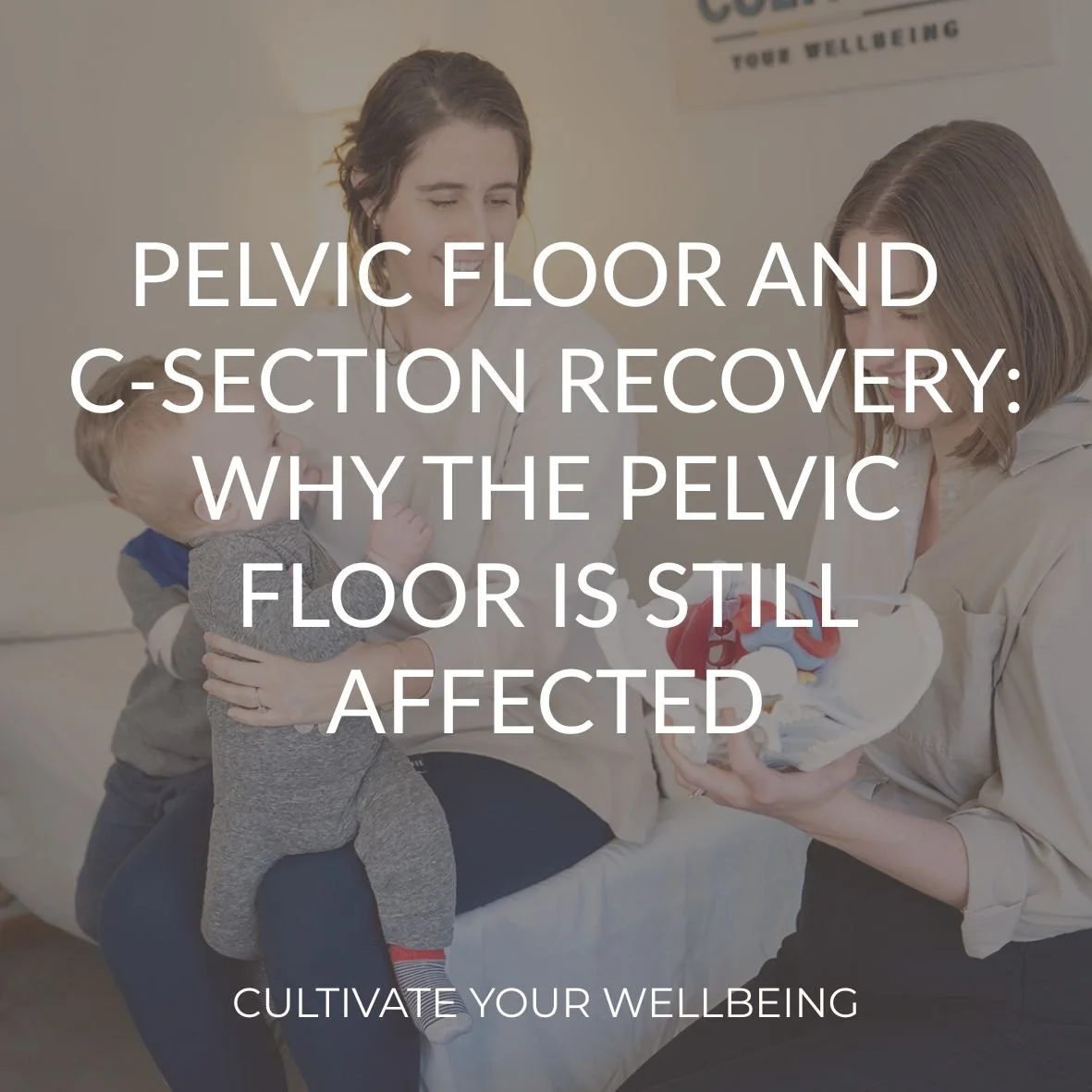
Many people are surprised to learn that pelvic floor physical therapy can be helpful after a cesarean birth. If your baby was not born vaginally, it may seem like the pelvic floor would not be affected. But pregnancy itself places demands on the pelvic floor, abdomen, hips, back, and how your body manages pressure during movement, breathing, lifting, and daily life. Some people also labor before having a C-section, which can add additional pelvic floor strain or tension. Even without labor, the pelvic floor works closely with the diaphragm, deep core, abdominal wall, and scar tissue.
This means symptoms such as leaking, urgency, pelvic pressure, pain with intimacy, constipation, or difficulty reconnecting to your core can still show up after a C-section.
C-section recovery is not only about the scar. It is about how your whole body is recovering and coordinating again.
How Cultivate Your Wellbeing can help with C-section recovery
At Cultivate Your Wellbeing, we start by listening to your birth story, your symptoms, your concerns, and what you want to feel more confident doing again. Your care is one-on-one, individualized, and always guided by your comfort level.
Your treatment plan may include:
C-section scar assessment and scar mobility work
Visceral Manipulation
Education on scar healing, sensitivity, and self-massage
Breathwork and pressure management
Deep core and pelvic floor coordination
Diastasis recti support when needed
Rib, spine, hip, and pelvic mobility
Posture and movement strategies for feeding, lifting, carrying, and daily life
Bowel and bladder support
Pelvic floor assessment and treatment when appropriate
Gradual return-to-exercise planning
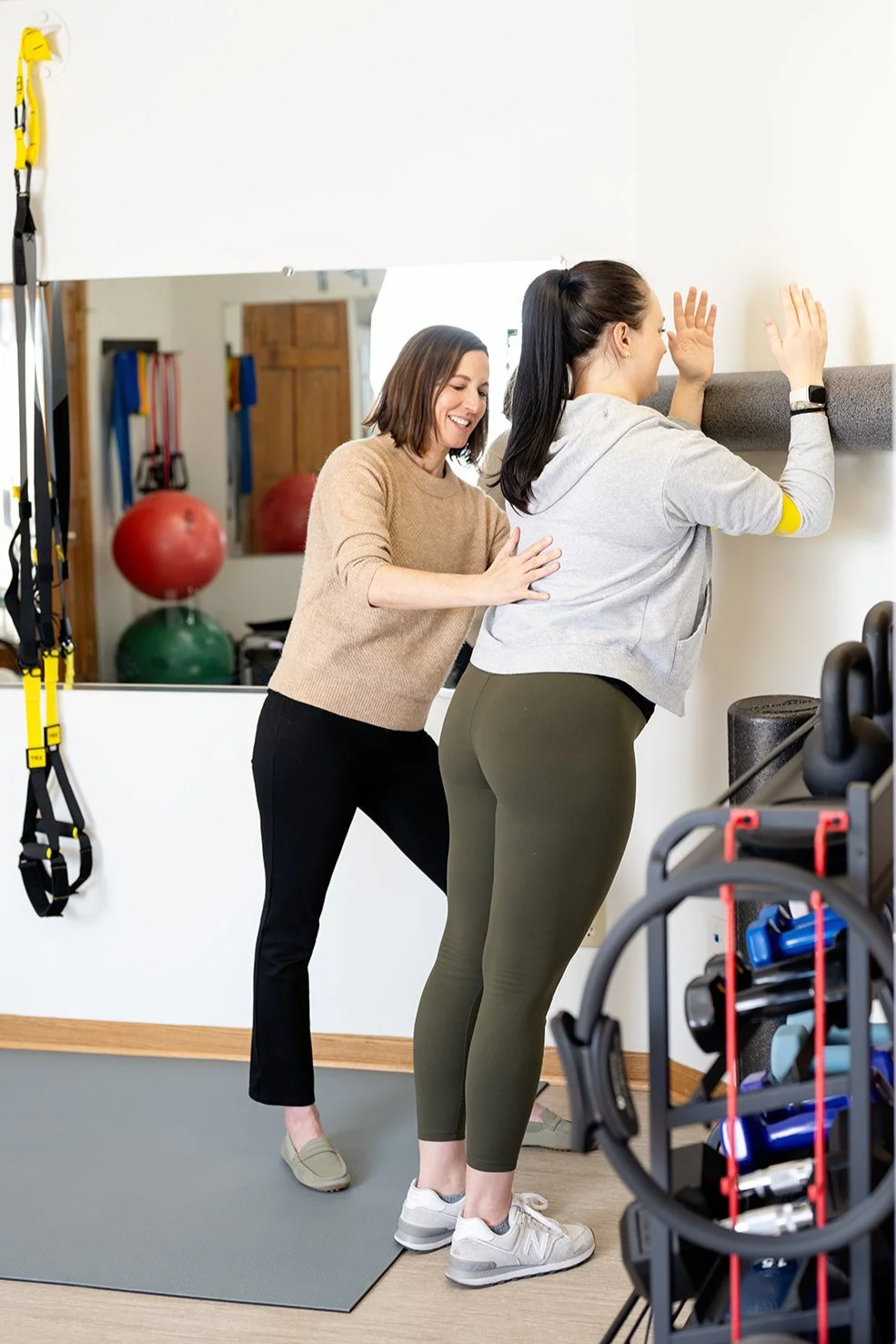
Strengthening for your core, hips, back, and whole body
A personalized home program that fits your season of life
We will always explain your options, answer your questions, and ask for your consent before any part of your exam or treatment. Internal pelvic floor assessment is never required, but it may be helpful for some patients depending on symptoms and goals.
Scar mobility can affect more than the incision
C-section scars can feel different for everyone. Some scars feel tender or sensitive. Some feel numb. Some feel tight, thick, restricted, or uncomfortable with clothing, movement, stretching, or touch. Some people do not notice scar symptoms until months or years later.
Scar tissue is a normal part of healing, but sometimes the tissues around the scar benefit from support. Restrictions around the abdominal wall, fascia, and surrounding tissues may contribute to pulling, tightness, abdominal discomfort, low back or pelvic symptoms, or difficulty reconnecting with the core.
Scar mobility work can help improve comfort, tissue mobility, body awareness, and confidence touching or moving around the scar area. We can also teach you how to safely work with your scar at home when your body is ready.
Returning to movement after a C-section
It is common to feel unsure about what you “should” or “should not” do after a C-section. You may wonder when it is safe to lift, walk farther, carry your baby in a carrier, return to exercise, restart Pilates, run, strength train, or feel like yourself again. The answer is not the same for everyone.
At Cultivate Your Wellbeing, we help you understand how your body is managing load, pressure, fatigue, breath, strength, and movement. Instead of giving you a generic timeline or a long list of things to avoid, we help you progress in a way that supports your healing, symptoms, and goals.
If symptoms show up during or after activity, that does not automatically mean you did something wrong. Symptoms are information. They may mean your body needs a different strategy, more strength, more recovery, better pressure management, or a slower progression.
Our goal is to help you return to movement with more confidence and less fear.
C-section recovery can still matter months or years later
You do not have to be newly postpartum to benefit from C-section recovery support. Many people come to us months or even years after a cesarean birth because they continue to notice scar tightness, abdominal pulling, core weakness, back pain, pelvic floor symptoms, pain with intimacy, or difficulty returning to exercise. Others realize during a later pregnancy, postpartum season, surgery, or life transition that their C-section scar or core never felt fully comfortable again.
It is not too late to work on scar mobility, abdominal tension, core coordination, pelvic floor function, or movement confidence. Your body can still respond to support long after the early postpartum period.
Related reading from our blog
Want to learn more? These resources may help you better understand how pelvic floor physical therapy can support csection recovery.
Patient Experiences
“Following my second C-section this past year, I started to experience intense pain along my front pelvic area and back. My doctor recommended I see Katie at Cultivate Your Wellbeing, and I’m so glad she did. Not only is Katie beyond knowledgeable, but she is welcoming and makes you feel comfortable in her space.
We had weekly visits to address areas of tightness my body had developed from carrying a baby and having major surgery. We discussed how to massage my scar tissue properly, and she provided exercises that helped stretch and relieve areas of tension while slowly helping me engage and build back my core. Six quick sessions later, I officially ‘graduated’ and am pain free!”
“Going to physical therapy at Cultivate Your Wellbeing changed my life. I am an active and adventurous person, but for years I was suffering from an injury at the site of my C-section. I had seen a general surgeon who told me everything was fine, even though I was in so much pain with simple movements like getting up from sitting or lying on my stomach.
My muscles had gotten weak, and the pain was so bad that I couldn’t even go for a simple walk around the block with my family. After just a few sessions, daily life tasks weren’t painful anymore, and I was able to slowly return to working out.
Katie was the listening ear and the voice of confidence and grace that I needed to begin healing. A few months later, I was back to my adventurous self and able to be present with my family.”
Frequently Asked Questions
-
This depends on where you are in your recovery and what symptoms you are experiencing. In the early weeks, physical therapy may focus on education, breathing, gentle movement, positioning, pressure management, and strategies for daily activities like getting in and out of bed, lifting, feeding, and caring for your baby.
Once your incision is healed and your medical provider has cleared you for more activity, we can begin more direct scar mobility work, core and pelvic floor coordination, strengthening, and return-to-exercise support.
You do not have to wait until something feels “bad enough” to seek support. Physical therapy can help you understand how your body is healing and guide your next steps.
-
Yes. Pregnancy, abdominal surgery, postpartum recovery, and the demands of caring for a baby can all affect the pelvic floor, even if your baby was born by C-section.
The pelvic floor works closely with your diaphragm, deep core, abdominal wall, hips, back, and scar tissue. Symptoms such as leaking, urgency, constipation, pelvic pressure, pain with intimacy, or difficulty reconnecting with your core can still happen after cesarean birth.
At Cultivate Your Wellbeing, we look at the full picture so your recovery plan supports more than the incision.
-
Yes. C-section scar symptoms can include tenderness, tightness, pulling, sensitivity, numbness, itching, thickened tissue, or discomfort with clothing, touch, movement, or exercise.
Once your incision has healed enough for direct work, physical therapy may include scar mobility, gentle abdominal manual therapy, desensitization strategies, education, and a home program to help improve comfort and tissue mobility.
Scar tissue is a normal part of healing, but that does not mean you have to ignore discomfort or feel disconnected from the area.
-
Yes. C-section recovery often involves reconnecting with the abdominal wall, breath, pelvic floor, and deep core system.
Diastasis recti and core weakness are not just about the width of a gap or how many exercises you do. We also look at how your abdominal wall manages tension, pressure, movement, and load. Treatment may include breathwork, pressure management, deep core coordination, progressive strengthening, posture and movement strategies, and guidance for lifting, carrying, and exercise.
Our goal is to help you build strength in a way that feels supportive and functional for daily life.
-
Yes. Returning to exercise after a C-section is not only about waiting a certain number of weeks. It is about how your body is healing, how your scar and abdominal wall are feeling, how your pelvic floor and core are coordinating, and how your body responds to load, fatigue, pressure, and movement.
At Cultivate Your Wellbeing, we help you gradually return to activities such as walking, Pilates, running, strength training, and daily lifting with a plan that is specific to your body and goals.
If symptoms show up during or after exercise, that does not automatically mean you caused damage. It may mean your body needs a different strategy, more strength, better pressure management, or a more gradual progression.
-
No. It is not too late.
C-section scars and abdominal tissue can still respond to care months or years after birth. Physical therapy may help with scar tightness, pulling, sensitivity, abdominal tension, core weakness, back pain, pelvic floor symptoms, or difficulty feeling connected to your body.
Whether your C-section was recent or years ago, we can help you understand what may be contributing to your symptoms and build a plan that supports your goals.
Ready to feel more supported after a C-section?
If you are recovering from a C-section or still noticing scar tightness, abdominal discomfort, core weakness, pelvic floor symptoms, or uncertainty with movement, we would love to help.
You can call, text, or fill out the contact form, whichever is easiest for you. Our team can answer questions, help you schedule at our Mequon or Brookfield location, or set up a free 15-minute virtual consult if you are not sure whether C-section recovery physical therapy is the right next step.