
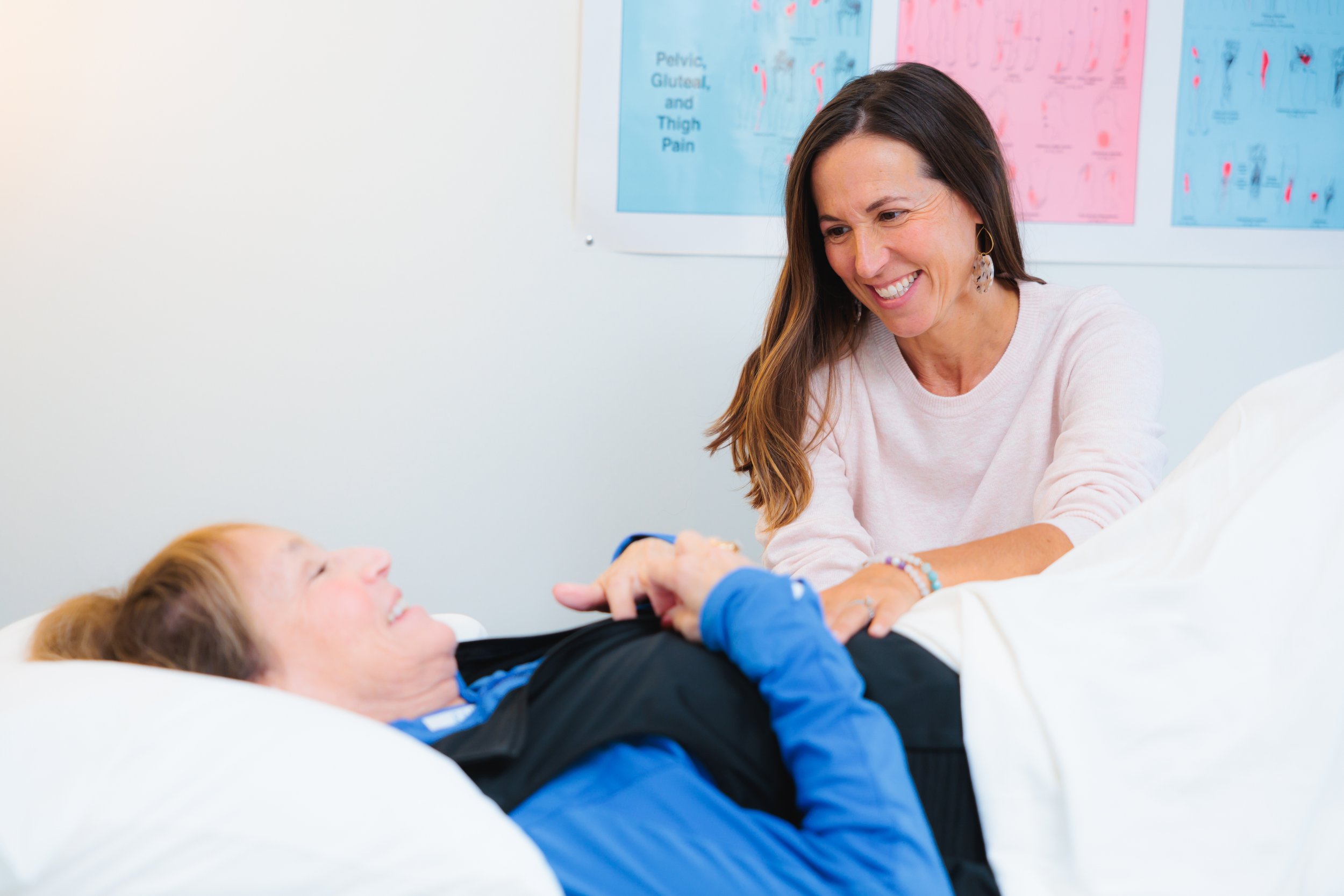
Women’s Pelvic Health Physical Therapy
We’re passionate about supporting women through pelvic health physical therapy in Mequon and Brookfield, WI, serving the North Shore, Brookfield, and surrounding communities. From painful periods, bladder and bowel concerns, pelvic pain, and pain with intimacy to pregnancy, postpartum recovery, perimenopause, menopause, and beyond, we help women better understand their bodies and feel more confident in daily life. Whether your symptoms are new, long-standing, or hard to explain, you deserve care that helps you feel heard, supported, and at home in your body again.
What to Expect at Cultivate Your Wellbeing
Women’s pelvic health concerns can feel personal, sensitive, and sometimes hard to explain. At Cultivate Your Wellbeing, your first visit gives us time to listen to your story, understand your symptoms, and talk through what you want to feel more confident doing again.
Our care is education-first because we believe one of the best ways to support healing is to help you understand your body. When you understand what may be contributing to your symptoms, your plan starts to make more sense and you can feel more confident in the steps we are taking together.
Each visit is one-on-one with a doctor of physical therapy and tailored to your body, your comfort level, and your goals. Depending on your needs, treatment may include education, hands-on care, movement and exercise, breathwork, pelvic floor coordination, scar or abdominal work, visceral techniques, dry needling, cupping, bladder and bowel strategies, and a personalized home program.
We will always explain your options, answer your questions, and ask for your consent before any part of your exam or treatment. Our goal is for you to leave not only with support for the issue that brought you in, but also with a deeper understanding of your body and practical tools you can use long after your visits with us.
How We Help
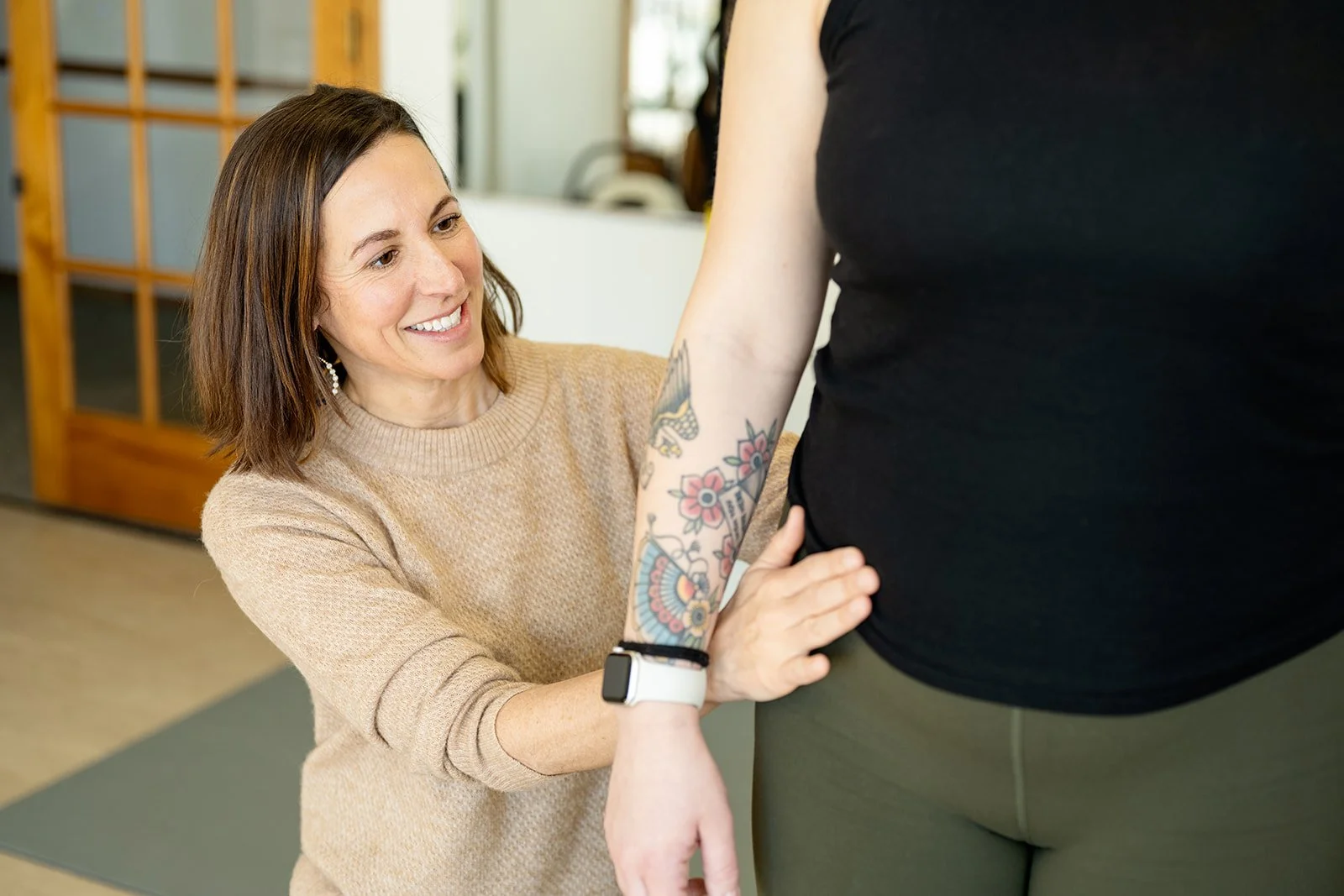
Pelvic Pain
Pelvic pain can show up during sitting, movement, menstruation, or intimacy and may be related to muscle tension, joint dysfunction, nerve irritation, or conditions like endometriosis. We take a holistic approach to reduce pain, improve movement, and help you feel more comfortable in your body.
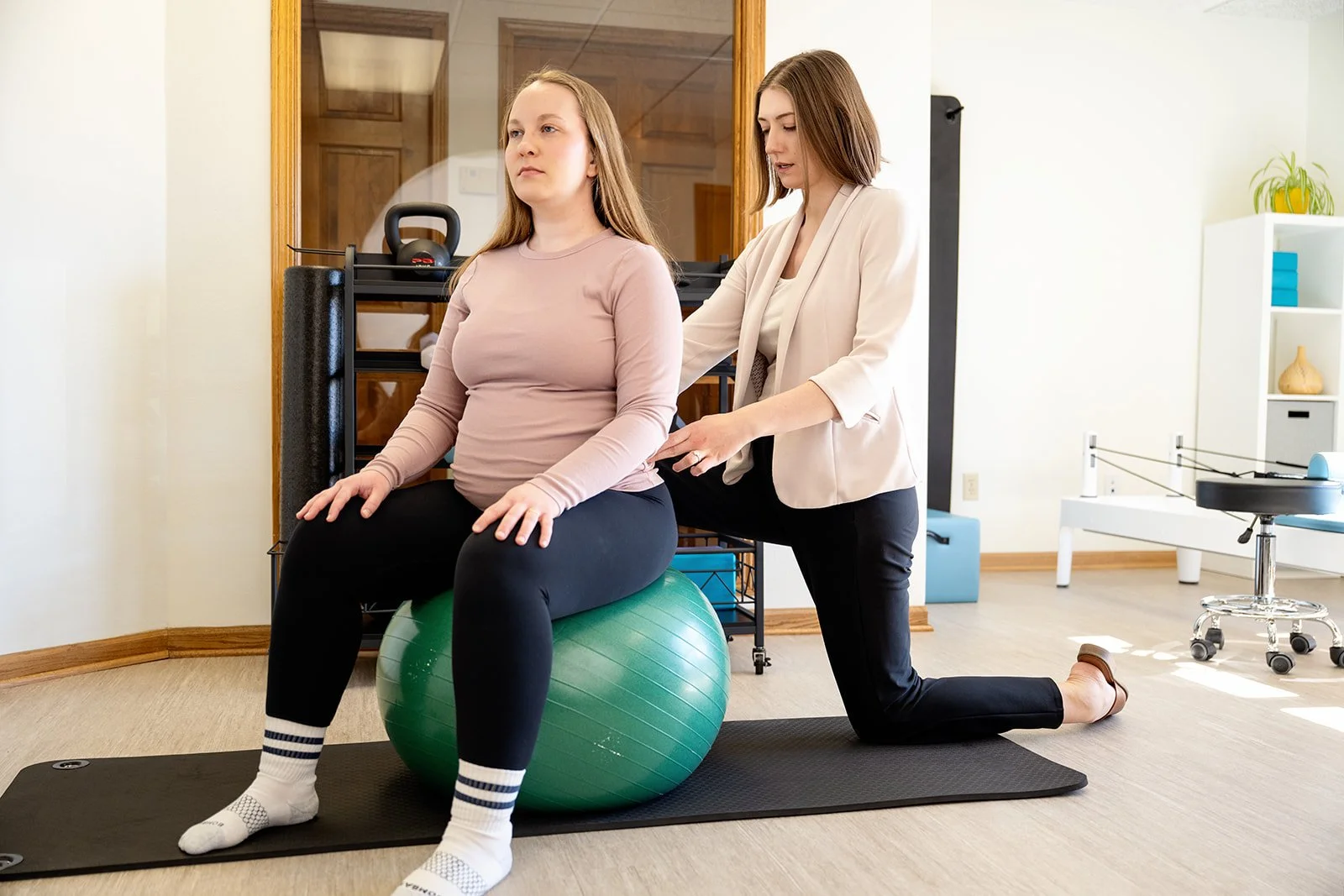
Pregnancy Support & Birth Preparation
Pregnancy places unique demands on your body—but with the right support, you can feel strong, comfortable, and prepared. We help manage pelvic pain, bladder symptoms, and core changes while also preparing your body and pelvic floor for labor and delivery.

Postpartum Recovery
Recovery after birth looks different for everyone—and the right support can make a big difference. Whether you’re navigating pain, leakage, core weakness, or just not feeling like yourself, we create a personalized plan to support healing and help you feel strong and confident again.

Bladder Concerns
Whether you’re leaking with activity, rushing to the bathroom, or dealing with bladder pressure or discomfort, pelvic health physical therapy can help. These symptoms are often related to coordination, habits, and pelvic floor function—not just weakness. We take a whole-body approach to improve control, reduce urgency, and help you feel more confident day to day.
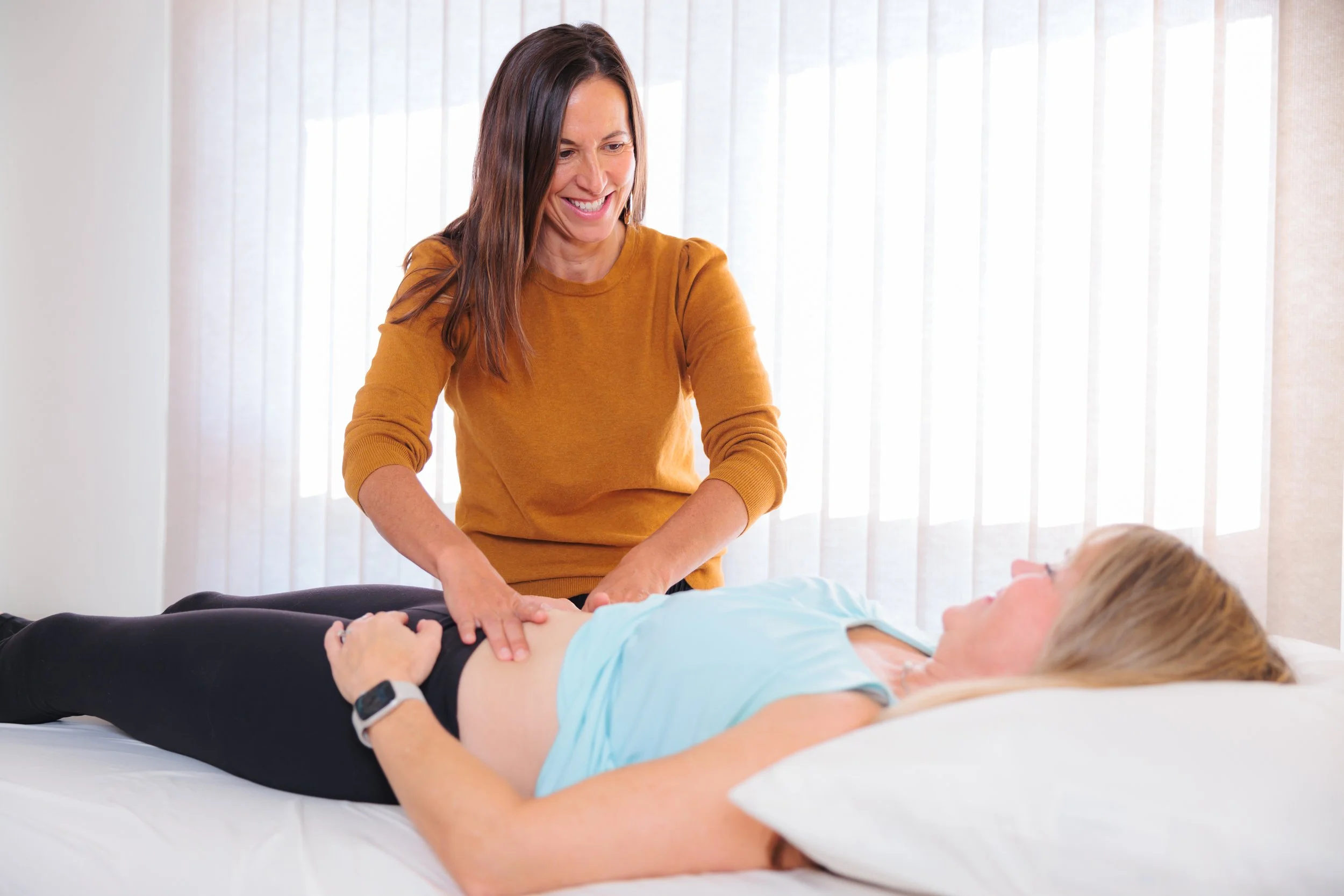
Bowel Concerns
Constipation, urgency, or bowel leakage can be frustrating and isolating—but they are more common than you might think. These symptoms are often related to coordination and relaxation of the pelvic floor muscles. Through pelvic floor retraining, visceral techniques, and individualized strategies, we help restore more comfortable and regular bowel function.
Pelvic Organ Prolapse
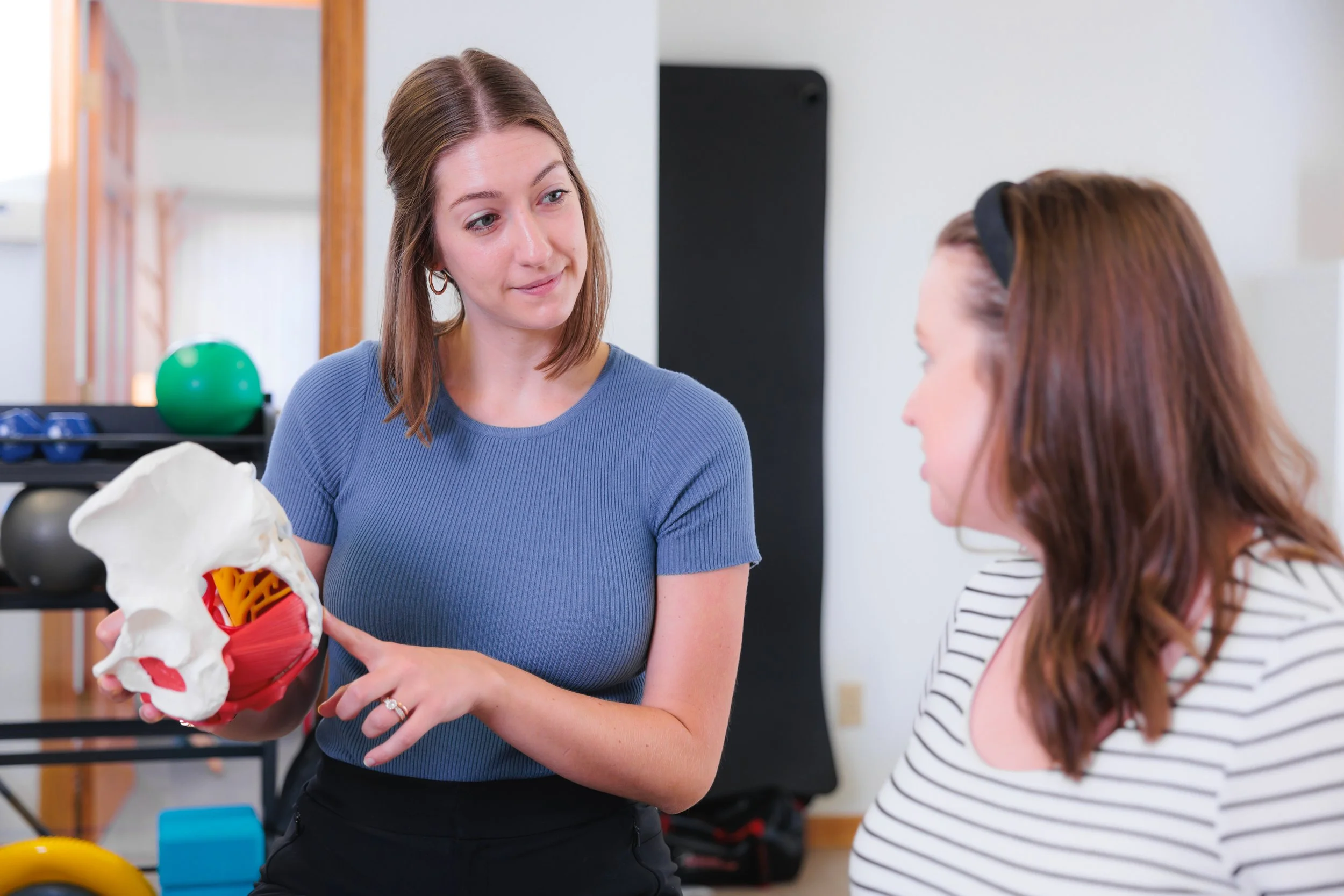
Heaviness, pressure, or a feeling of bulging in the pelvis can be signs of prolapse. We take a whole-body approach to improve support, reduce symptoms, and help you return to the activities you enjoy. Many patients improve significantly with conservative care, and we also support recovery before and after surgery when needed.
Diastasis Recti & Core Strength
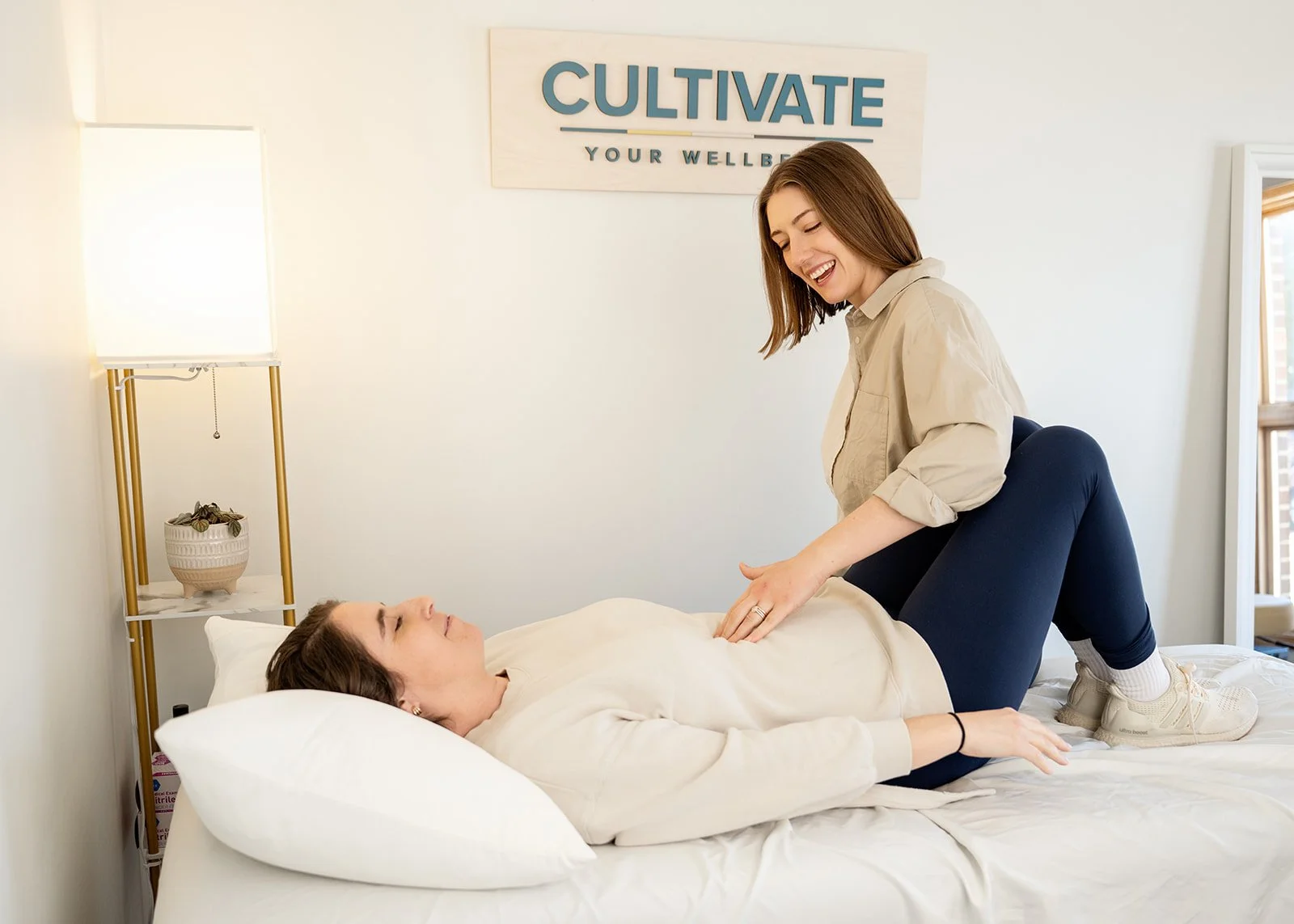
Abdominal separation and core weakness can impact your strength, posture, and confidence—but it is treatable. We assess breathing, pressure strategies, and movement patterns to restore strength and rebuild deep core function so you can move with more confidence and support.
Pain with Sex
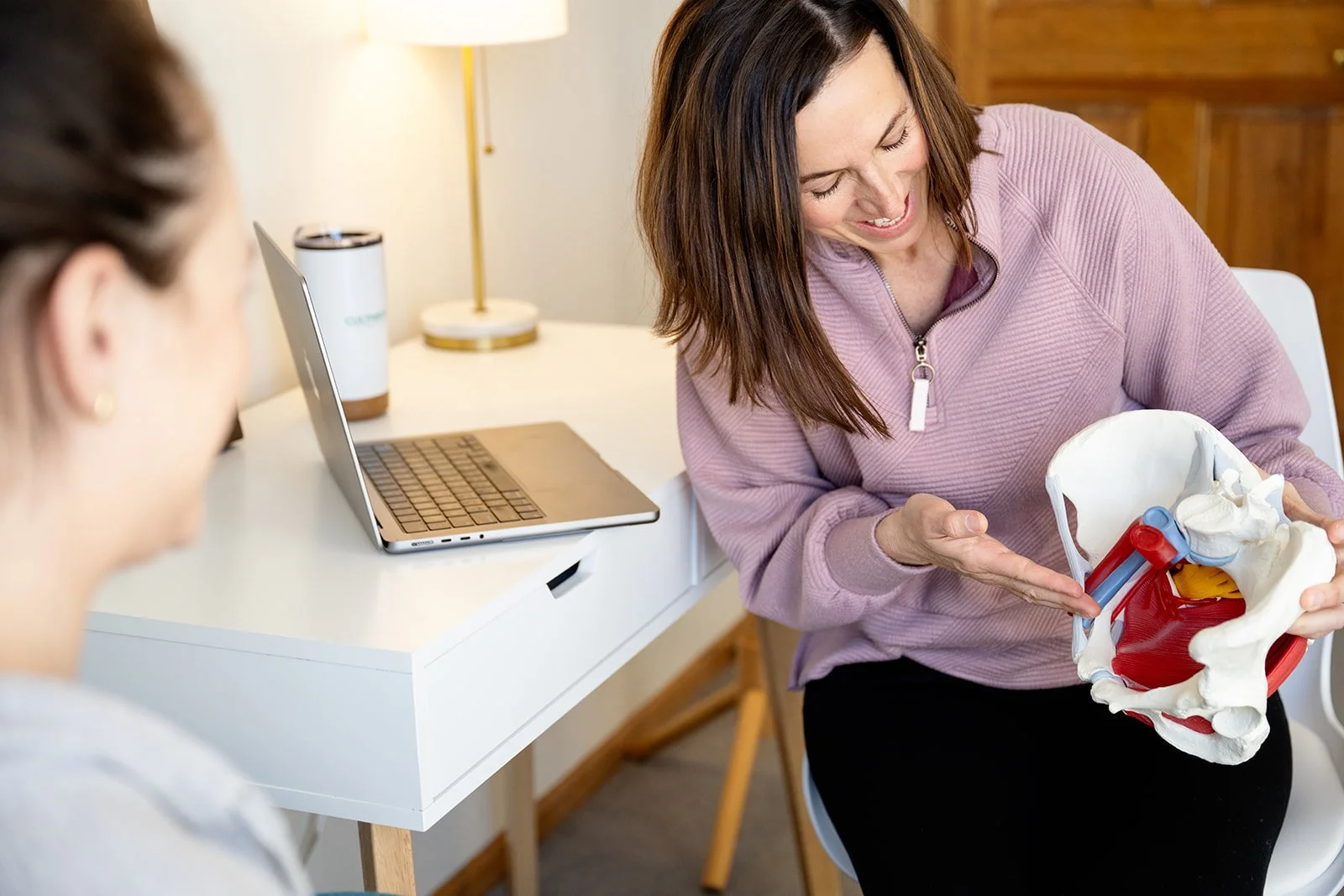
Intimacy shouldn’t hurt—and you don’t have to push through it. Pain with intercourse may be related to muscle tension, hormonal changes, scar tissue, or conditions like vaginismus or vulvodynia. We provide compassionate, individualized care to identify the cause and restore comfort, confidence, and connection.
Menopause & Hormonal Changes
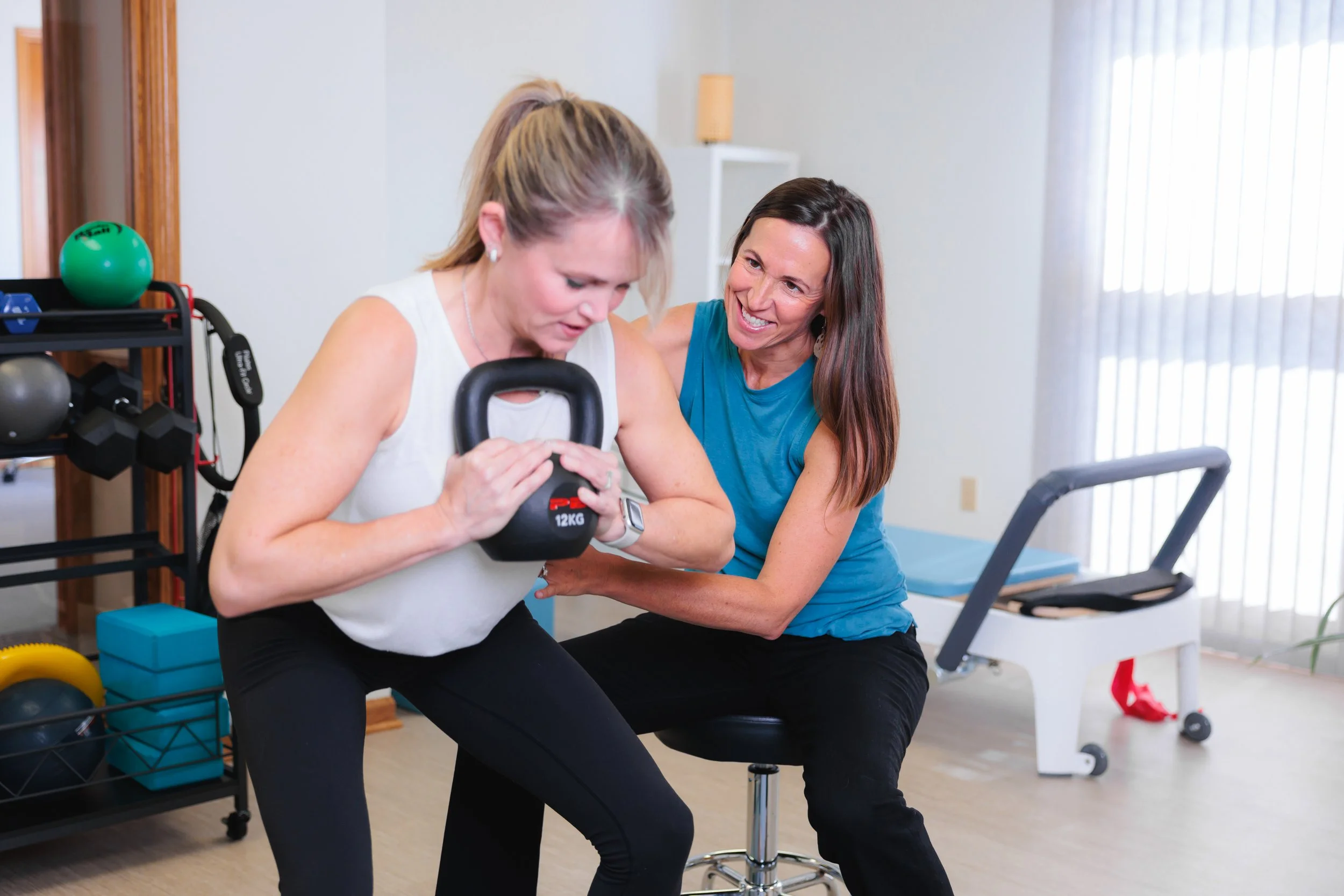
Hormonal shifts during perimenopause and menopause can lead to bladder symptoms, vaginal dryness, pain with sex, and tissue changes. We support you through this transition with pelvic health physical therapy, education, and whole-body strategies so you can stay strong, comfortable, and active.
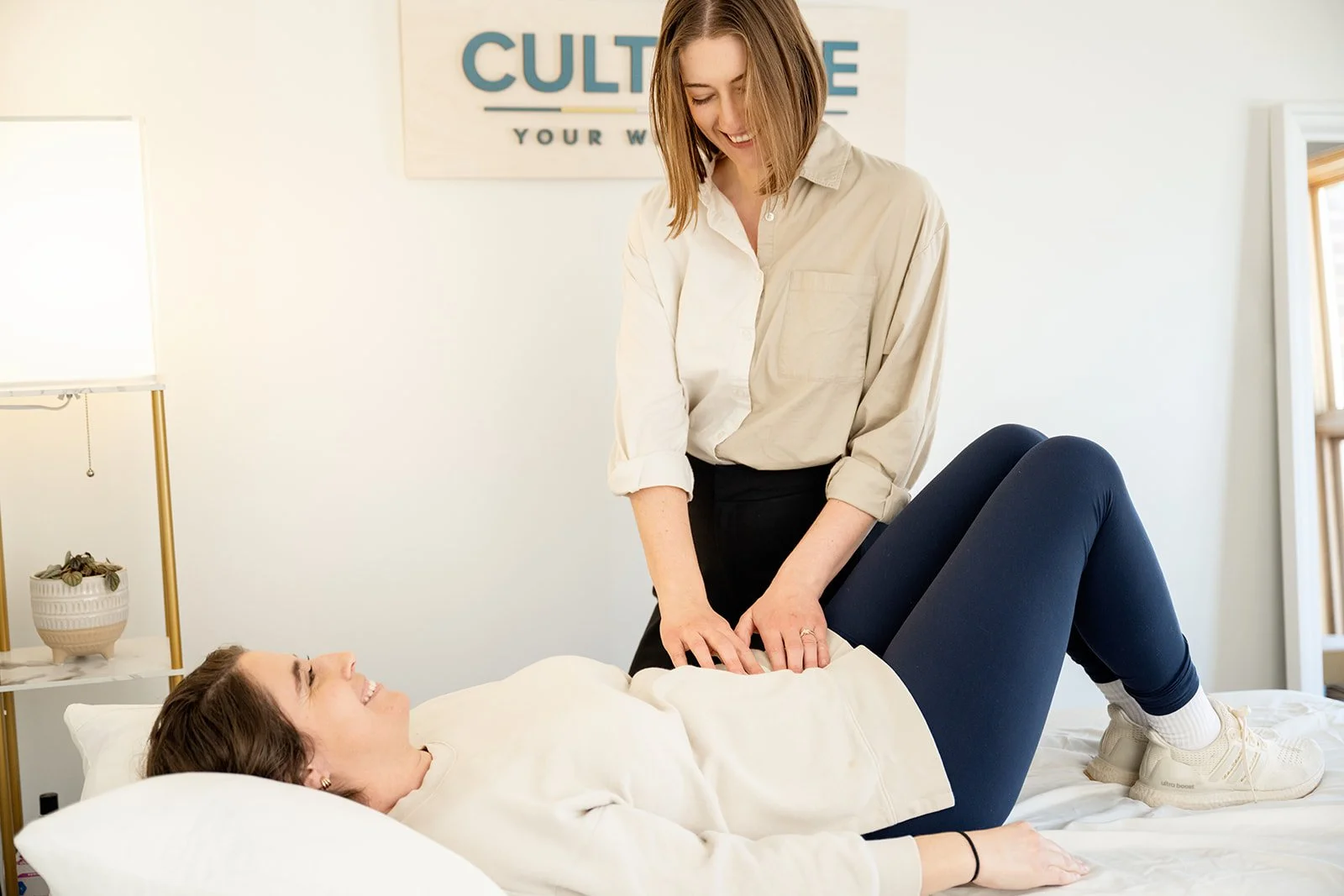
Endometriosis & Adenomyosis
Endometriosis and adenomyosis can cause pelvic pain, painful periods, bloating, and bladder or bowel symptoms. We use a gentle, whole-body approach to reduce tension, support mobility, and help you better manage symptoms alongside your medical care
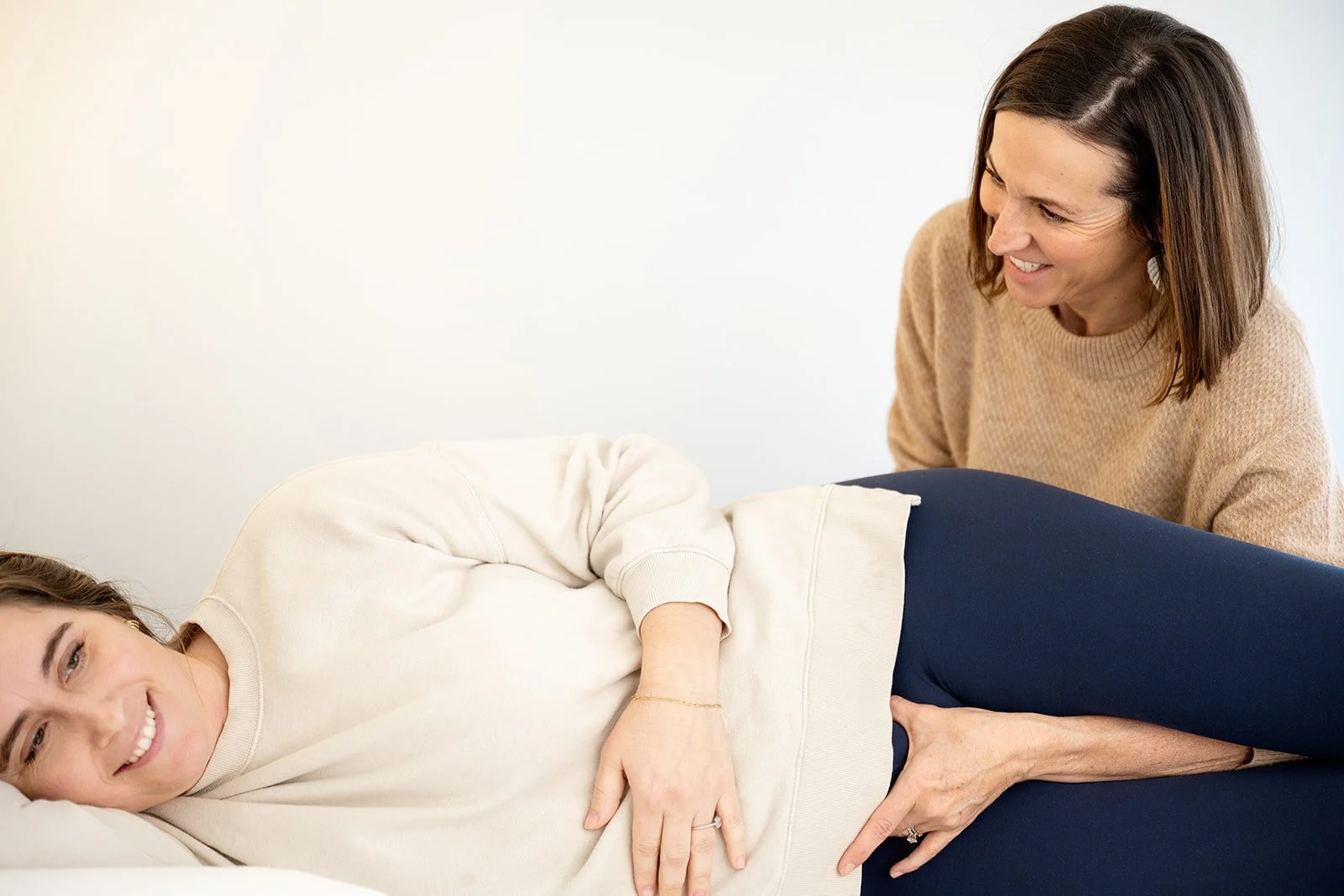
Menstrual Pain
Painful periods and cramping don’t have to be something you just live with. We use pelvic floor therapy, visceral techniques, and movement strategies to reduce discomfort and support a more manageable cycle.
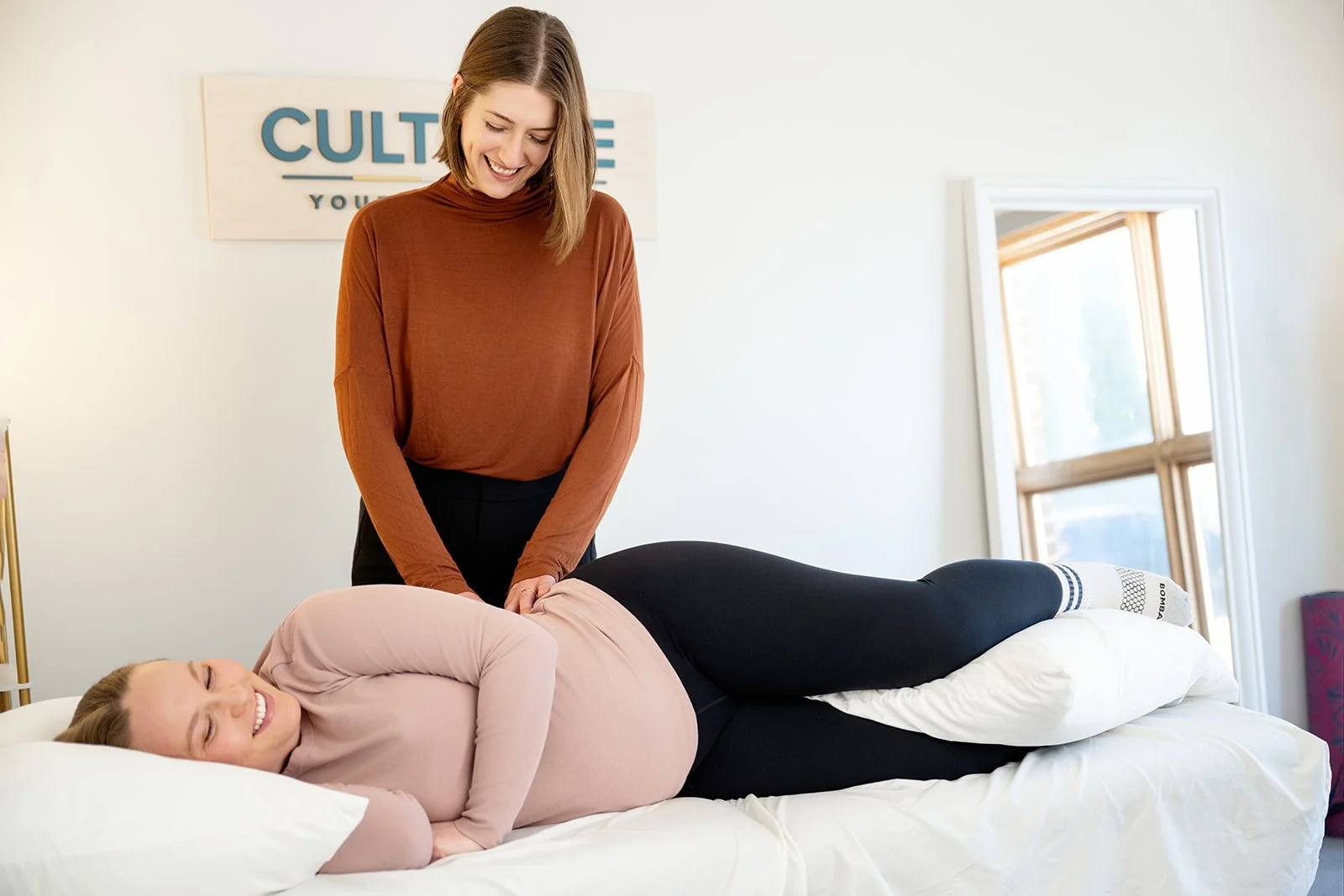
Musculoskeletal Pain
Pain in your back, hips, pelvis, or tailbone is often connected to how your body moves and supports you throughout the day. We take a whole-body approach to understand what’s contributing to your symptoms and use hands-on care and movement strategies to help you feel better, move more comfortably, and get back to the activities you enjoy.
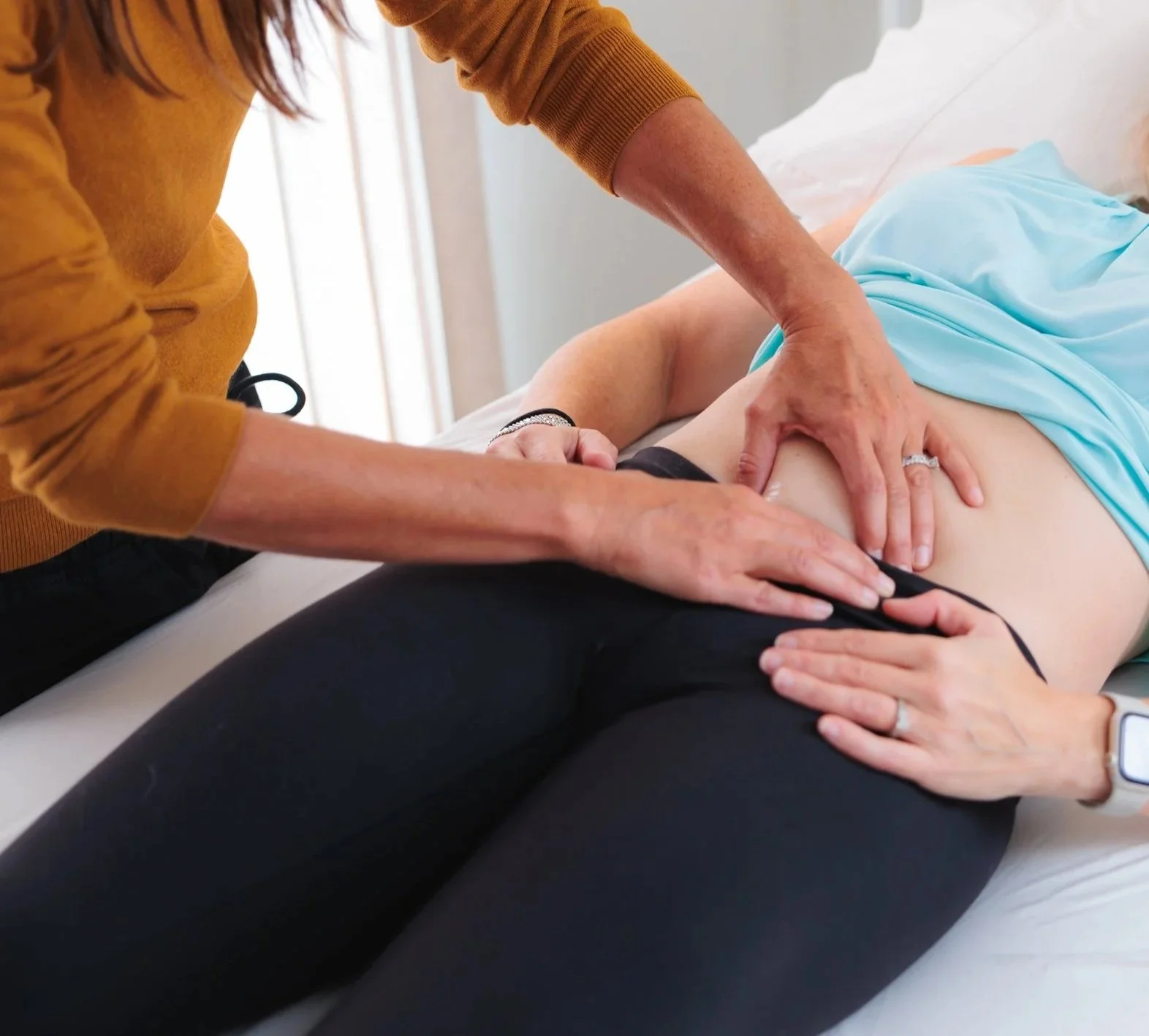
Cesarean Recovery
Cesarean birth is a major abdominal surgery, and recovery involves more than waiting for the incision to heal. We support cesarean recovery with gentle, individualized care to address scar mobility, core and pelvic floor coordination, abdominal tension, pain, posture, and return to movement so you can feel more comfortable and confident in your body.
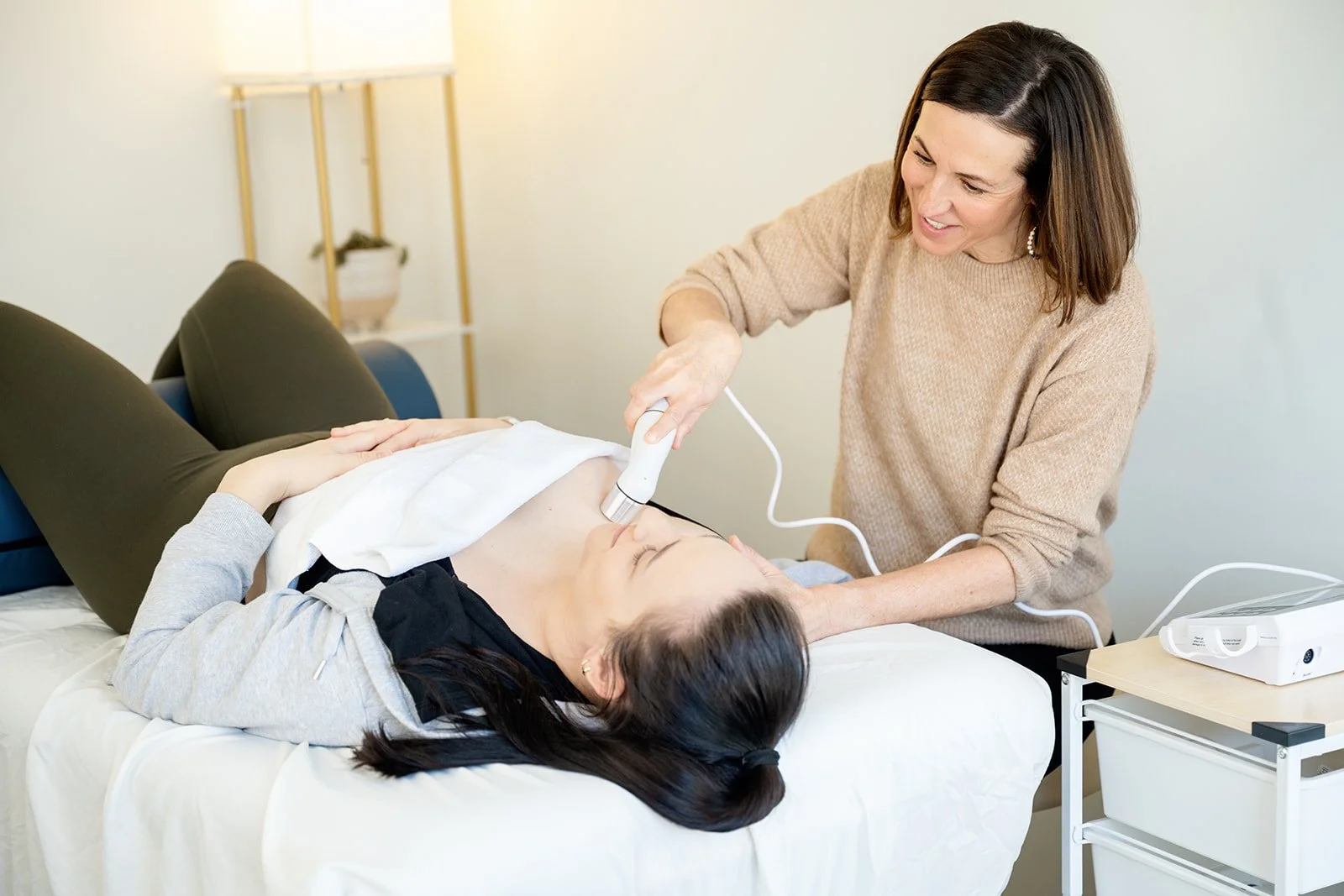
Lactation Support
Breastfeeding or chestfeeding challenges like clogged ducts, pain, engorgement, or early mastitis can be overwhelming. We provide gentle, evidence-based care to reduce inflammation, relieve symptoms, and support a more comfortable feeding experience.
“ I highly recommend Cultivate Your Wellbeing as an integrative part of women's health. Katie and Jennie provide tailored care in a safe and comfortable environment, ensuring individual needs are met and goals are progressive and achievable. Their care has made a difference in improvement of symptoms, and I felt heard and understood at each session.”
--JenniferFrequently Asked Questions
-
Women’s pelvic health physical therapy is specialized physical therapy that supports pelvic floor, core, bladder, bowel, sexual, and musculoskeletal concerns across the lifespan.
At Cultivate Your Wellbeing, we work with women through many stages of life, from painful periods, bladder and bowel issues, pain with medical exams or intercourse, and pelvic pain to pregnancy, postpartum recovery, perimenopause, menopause, and beyond.
We also support women whose pelvic health has been affected by hormone changes, surgery, cancer treatment, medical conditions, or life transitions. Our role is to look at the full picture: your body, your movement patterns, your symptoms, your story, and your goals. From there, we help you understand what may be contributing to your symptoms and create a plan that supports your real life.
-
Women’s pelvic health physical therapy can help with many concerns, including pelvic pain, bladder leakage, urinary urgency or frequency, constipation, bowel leakage, prolapse symptoms, pelvic heaviness or pressure, pain with intimacy, pregnancy discomfort, postpartum recovery, C-section or perineal scar concerns, diastasis recti, endometriosis-related symptoms, menopause-related pelvic health changes, and pain involving the hips, back, tailbone, or pelvis.
Many of these symptoms overlap. For example, bladder symptoms may be connected to constipation, pelvic floor tension, postpartum recovery, menopause, or pelvic pain. Part of our role is helping you understand what may be contributing to your symptoms and where to start.
-
No. You do not need to have a specific diagnosis before starting pelvic floor physical therapy.
Many people come to us because they know something does not feel right, but they do not yet have a clear explanation. You may be dealing with pain, leaking, pressure, bowel changes, discomfort with intimacy, or difficulty returning to exercise, but not know exactly what category it fits into.
A pelvic health physical therapy evaluation can help identify patterns, contributing factors, and areas of dysfunction that may be playing a role in your symptoms. Sometimes what we find helps guide the next steps in care or supports a clearer diagnosis in collaboration with your medical provider.
Our role is to help you make sense of your symptoms, understand how your body is functioning, and build a plan that supports your goals.
-
No. Pregnancy and postpartum recovery are important parts of pelvic health, but pelvic floor physical therapy is not only for people who are pregnant, recently postpartum, or planning to have children.
We work with many women who cannot have children, choose not to have children, or are in a completely different season of life. Pelvic health physical therapy can support women through adolescence, painful periods, bladder and bowel concerns, pelvic pain, pain with medical exams or intimacy, endometriosis-related symptoms, prolapse, post-surgical recovery, perimenopause, menopause, and beyond.
No matter where you are in life, your symptoms deserve to be understood and supported. Your care should be based on your body, your goals, and what matters most to you.
-
Yes. Pelvic floor physical therapy can be very helpful during perimenopause and menopause.
Hormonal changes can affect the pelvic floor, bladder, vaginal and vulvar tissues, sexual comfort, connective tissue, muscle strength, and how your body responds to load and movement. Some people notice bladder urgency or leakage, pain with intimacy, pelvic pressure, constipation, recurrent discomfort, hip or back pain, or changes in strength and confidence.
Pelvic floor physical therapy can help by addressing pelvic floor coordination, tissue mobility, strength, pressure management, bladder and bowel habits, pain with intimacy, and return to exercise. We also collaborate with your medical provider when additional support, such as hormone-related care, may be helpful.
-
Not necessarily. An internal pelvic floor assessment can be helpful for some patients, but it is never required.
An internal assessment may give us more specific information about pelvic floor tension, tenderness, strength, coordination, relaxation, scar tissue, and how the muscles respond to breath or movement. However, many patients begin with external assessment, movement evaluation, breathing and pressure management, education, manual therapy, or a home program.
We will always explain your options, answer your questions, and ask for your consent before any part of the exam or treatment. Your comfort matters, and your care should always feel respectful, informed, and collaborative.
-
Your first visit gives us time to understand your story, symptoms, health history, goals, and what you would like to get back to.
Your physical therapist will complete an individualized assessment based on your concerns. This may include looking at posture, breathing, movement, hips, low back, abdomen, scar tissue, pelvic floor function, pressure management, strength, mobility, bladder or bowel habits, and how your symptoms show up in daily life.
Treatment may include education, hands-on care, movement, breathwork, pelvic floor coordination, strengthening, relaxation strategies, visceral work, dry needling or cupping when appropriate, and a personalized home program. Your plan will be built around your body, your comfort level, and your goals.
-
Yes. Even if you have had symptoms for months or years, pelvic floor physical therapy may still be helpful.
Long-standing symptoms can involve muscle tension, weakness, coordination challenges, scar tissue, restricted mobility, bladder or bowel habits, nervous system sensitivity, hormonal changes, pressure management, or movement patterns your body has adapted to over time.
Having symptoms for a long time does not mean you are out of options. We can help you understand what may be contributing to your symptoms and build a plan that supports better comfort, function, and confidence.
What to Expect
Your care is always one-on-one and tailored to your goals. Sessions may include hands-on treatment, movement and exercise, and education to help you better understand your body and symptoms. We move at your pace and prioritize your comfort every step of the way.
Not Sure Where to Start?
Women’s pelvic health concerns can overlap. If you are navigating pelvic pain, bladder or bowel symptoms, prolapse, pregnancy, postpartum recovery, pain with intimacy, period pain, menopause-related changes, or pain involving the hips, back, tailbone, or pelvis, we can help you find the right starting point.
You can call, text, or fill out the contact form, whichever is easiest for you. Our team can answer questions, help you schedule at our Mequon or Brookfield location, or set up a free 15-minute virtual consult if you are not sure whether pelvic health physical therapy is the right next step.
Wondering if Pelvic Health Physical Therapy is right for you? Book a Free 15 Minute Consult.