
How Scar Tissue Can Affect Your Pelvic Floor, Core, and Recovery
When most people think about a scar, they think about how it looks. Will it fade? Will it be noticeable?
But what we see in pelvic health physical therapy is that scars are often about so much more than appearance. They can quietly influence how your body moves, how it feels, and how different systems—like your core and pelvic floor—work together. And sometimes, they’re the missing piece when something just doesn’t feel quite right.
What’s Actually Happening Beneath the Surface
When your body heals after something like a C-section, perineal tear, abdominal surgery, or another procedure, it creates scar tissue to repair the area. Scar tissue is a normal, necessary part of healing. It helps your body close and support the area as you recover. But it is not identical to the tissue that was there before. It does not move, stretch, or adapt in quite the same way, and it can sometimes feel a little more restricted or “stuck” to the layers underneath it. That is where it can start to matter.
Your body is designed for movement and connection. Skin, muscles, fascia, and even your organs are all meant to glide and work together. When a scar becomes more restricted, it can subtly change how those systems interact. That may show up as pulling, tightness, sensitivity, or discomfort. Sometimes it affects how your muscles function. Sometimes it contributes to symptoms that do not seem obviously connected—like pelvic floor tension, bladder urgency, or difficulty feeling connected to your core.
Not every scar causes problems. But when something still feels off, even months or years later, scar mobility is often one of the pieces worth paying attention to.
When Healing Looks Complete, But Doesn’t Feel Complete
A lot of people come in saying some version of, “Everything healed… but it still doesn’t feel normal.” They might notice a sense of tightness or pulling, especially with movement or exercise. Others describe numbness, sensitivity, or discomfort with touch. For some, it shows up during intimacy, or as a feeling of disconnection from their core. And sometimes, symptoms don’t show up right away.
We see people months, or even years, after a surgery or delivery, when they start noticing changes that they can’t quite explain. That’s often when we start connecting the dots back to a scar that never fully regained its mobility.When Pressure Becomes a Pelvic Floor Symptom
Let’s Talk About Timing
One of the biggest misconceptions is that scar work is either something you do right away—or not at all. In reality, there’s a progression, and it matters.
Early on, when your body is still healing, we’re not jumping into direct scar work. Your body needs that time to close, repair, and protect the area. But that doesn’t mean you’re just waiting and hoping for the best. This is where we guide people in more indirect ways of supporting healing—things like breathing, gentle movement, and reconnecting with the core and pelvic floor. These pieces help support circulation, reduce unnecessary tension, and lay the foundation for better healing overall.
Then, once the scar has healed more fully, we can begin to introduce more direct work. This might look like gentle mobility techniques, helping the skin and underlying tissue move more freely again. It’s not aggressive or forceful—it’s gradual, guided, and always based on what your body is ready for.
And here’s the part that I always want people to hear: It is not too late.
We work with people all the time who are years out from a C-section, perineal tear, hysterectomy, or abdominal surgery—and they still see meaningful changes. Your body is incredibly adaptable. Even long after a scar has formed, we can improve how it moves, how it feels, and how it interacts with the rest of your system.
What Pelvic Health PT Looks Like for Scar Work
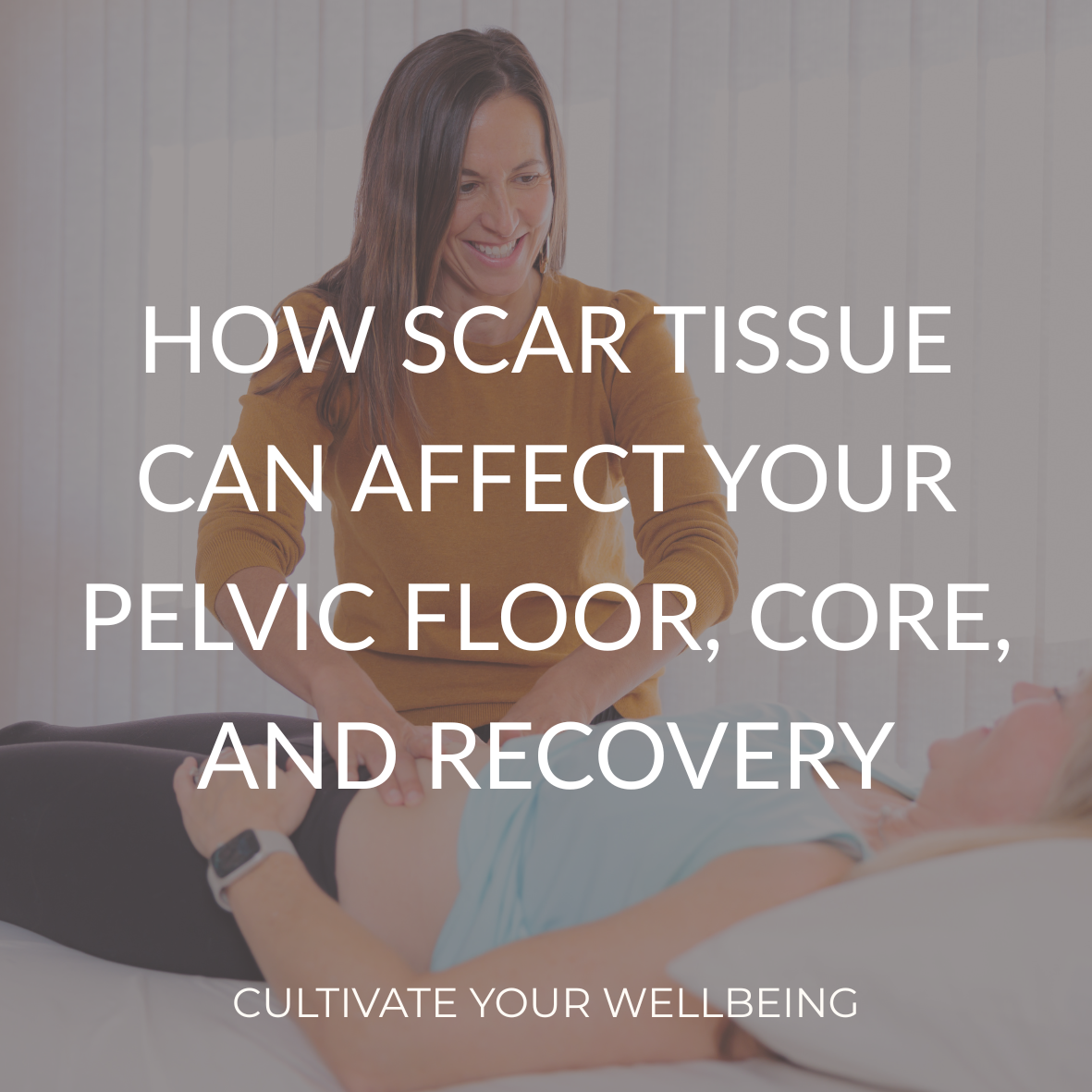
Scar mobility isn’t just about the scar itself. It’s about understanding how that scar fits into the bigger picture of your body. In sessions, we’re often looking at how the surrounding muscles are functioning, how your pelvic floor is coordinating, and how your body manages pressure with movement and daily activities. We use hands-on techniques when appropriate, but just as importantly, we’re helping you understand what’s going on and what you can do at home.
In most cases, we also incorporate more advanced approaches like visceral manipulation. This focuses on the deeper connections between your organs and surrounding tissues—something that can be especially helpful when symptoms feel more internal or harder to pinpoint. These techniques come later, once healing allows, and can make a big difference.
You’re Not Meant to Just “Live With It”
One of the most common things we hear is, “I thought this was just how it was going to be.” And it makes sense. If something has been there for months or years, it’s easy to assume it’s permanent. But often, it’s not.
Sometimes your body just needs the right input—the right support—to move differently again.
If This Is Hitting Close to Home
If you’ve had a C-section, perineal tear, or any abdominal or pelvic surgery and something still feels off, you’re not imagining it. If you notice pulling, tightness, discomfort, or symptoms that do not fully make sense—or if you’re early in healing and want to be proactive about recovery—this is exactly the kind of thing we help with every day.
At Cultivate Your Wellbeing, we take a whole-body, patient-paced approach to scar mobility and pelvic health. Whether you’re early in recovery or years down the road, we meet you where you are and guide you forward in a way that feels comfortable and empowering.
If you’re curious whether this could help you, you can always start with a free 15-minute virtual consult—or book an appointment when you’re ready.
Have you had a C-section or have one scheduled?
Our free Early C-section Recovery Video may be a helpful resource if you want support and guidance for the early stages of healing.