
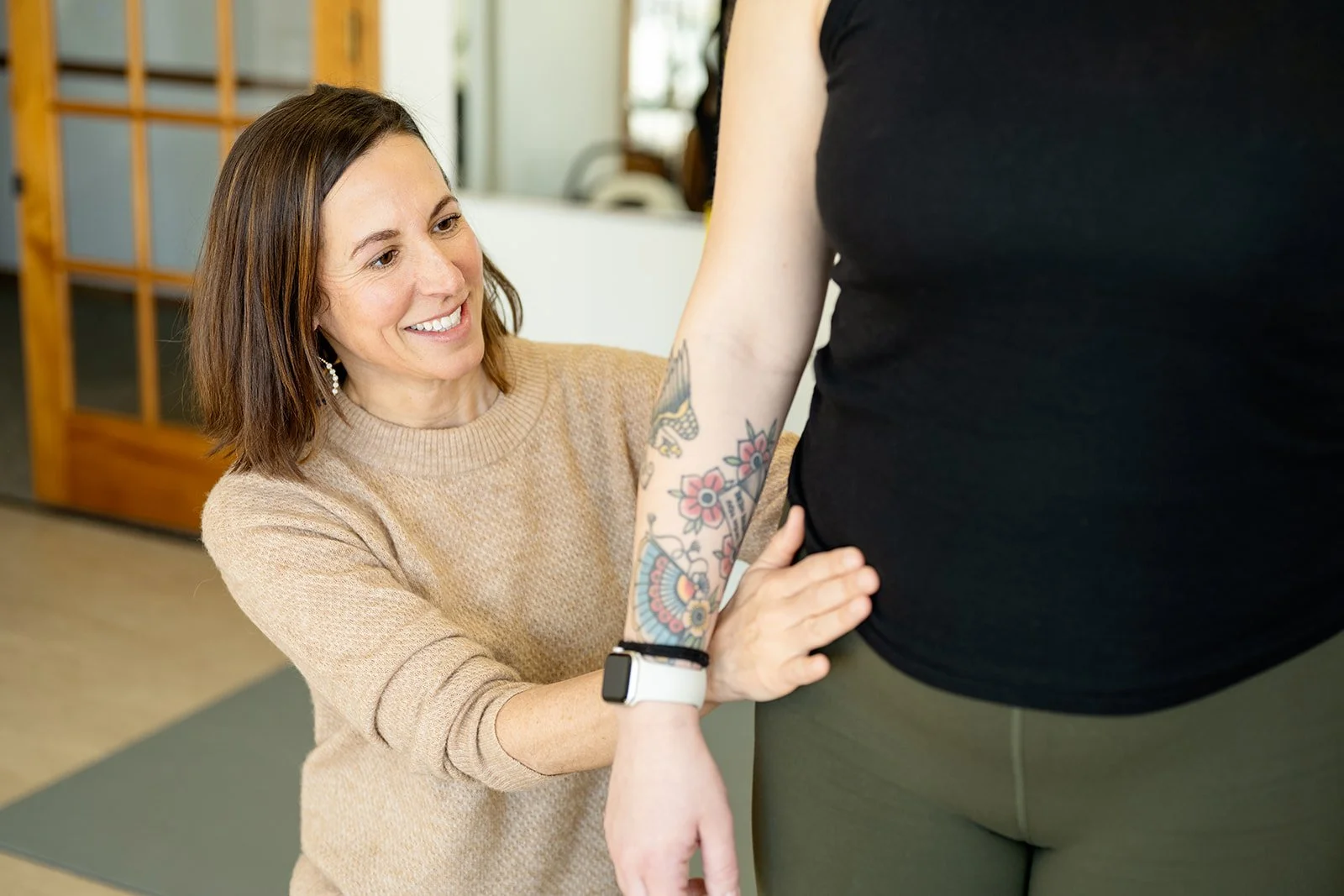
Pelvic Pain Physical Therapy in Mequon & Brookfield, WI
Pelvic pain can be frustrating, confusing, and deeply personal. It may show up as pain with intimacy, tailbone pain, lower abdominal pain, bladder discomfort, pain with sitting, pain during your period, or a feeling that something just is not right in your pelvis, hips, or core.
At Cultivate Your Wellbeing, we provide pelvic pain physical therapy in Mequon and Brookfield, WI, serving the North Shore, Brookfield, and surrounding communities. Our doctors of physical therapy and certified pelvic health specialists take a whole-body, individualized approach to care. We do not believe in one-size-fits-all treatment plans. We listen to your story, evaluate how your body is functioning, and create a custom plan based on your symptoms, goals, comfort level, and life.
Your pain is real, and you deserve to feel heard and supported.
At Cultivate Your Wellbeing, we take time to listen, look at the whole picture, and create a treatment plan based on your symptoms, your comfort level, and your goals.
Many people with pelvic pain have been told that everything looks normal, that their symptoms are just part of aging, postpartum recovery, stress, hormones, or that they simply need to relax. Others have tried exercises, medications, procedures, or other forms of care and still feel like something is missing.
Pelvic pain can be complex, but that does not mean it is “all in your head.” Pain may be influenced by the pelvic floor muscles, abdominal wall, hips, low back, nerves, scars, bladder, bowels, hormonal changes, inflammatory conditions, or the way your nervous system has learned to protect you over time.
Our role is to help you understand what may be contributing to your symptoms and create an individualized plan that supports healing, confidence, and better function.
What Pelvic Pain Can Feel Like
Pelvic pain does not look the same for everyone. Some people feel sharp, burning, or stabbing pain. Others describe aching, heaviness, pressure, tightness, pulling, or a deep sense of tension. Symptoms may be constant, come and go, or flare with specific activities.
We commonly work with people experiencing:
Pain with intercourse or intimacy
Pain with pelvic exams or tampon use
Vulvar, vaginal, rectal, or perineal pain
Tailbone pain or pain with sitting
Low back, hip, SI joint, or pubic bone pain
Lower abdominal or groin pain
Painful periods
Endometriosis-related pelvic pain
Bladder pain, urgency, or frequency
Bowel pain, constipation, or pain with bowel movements
Pain after birth, tearing, episiotomy, or C-section
Pain after hysterectomy or pelvic surgery
Scar sensitivity, pulling, or restriction
Pelvic floor muscle tension or difficulty relaxing
Pain that keeps returning even after other treatments
You do not need to have a diagnosis before starting pelvic floor physical therapy. Part of our role is helping you make sense of your symptoms and determine what your body may need next.
Your care should be built around your body, your story, and your goals
Pelvic pain is rarely about one muscle or one exercise. That is why we look beyond the symptom itself.
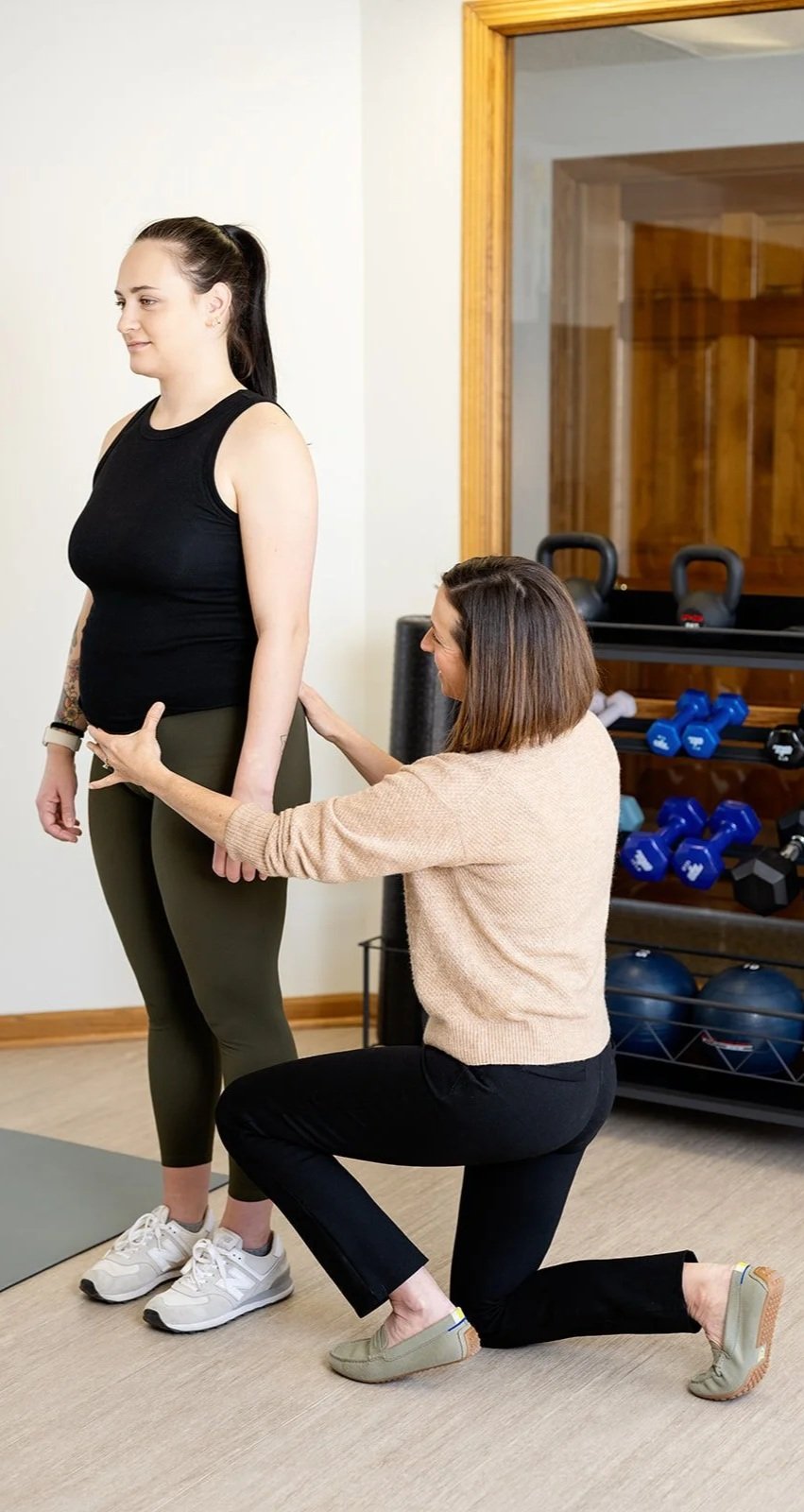
At Cultivate Your Wellbeing, your evaluation may include assessment of your posture, breathing, pelvic floor coordination, abdominal wall, hips, spine, scars, movement patterns, bladder and bowel habits, strength, mobility, and pressure management. When appropriate and with your consent, we may also discuss an internal pelvic floor assessment, but this is never required. Your comfort and sense of safety matter.
We believe pelvic health care should feel collaborative. You should understand what we are doing, why we are doing it, and how it connects to your goals. Whether your goal is to have less pain with intimacy, sit through a workday, exercise without flaring symptoms, improve bladder or bowel function, return to running, or simply feel more at home in your body, your treatment plan should be built around you.
What treatment may look like
Your treatment plan will depend on your evaluation, symptoms, and goals. Pelvic pain physical therapy may include a combination of hands-on care, education, movement, and home strategies.
Treatment may include:
Pelvic floor muscle assessment and coordination training
Manual therapy for the pelvic floor, hips, abdomen, back, or surrounding tissues
Scar mobility work for C-section scars, abdominal scars, perineal scars, or surgical scars
Visceral or abdominal mobility techniques when appropriate
Nervous system calming strategies and downtraining
Breathwork and pressure management
Gentle mobility and stretching
Strengthening for the hips, core, glutes, and pelvic floor
Dry needling or cupping when appropriate
Bladder and bowel habit support
Education around intimacy, positioning, and symptom modification
Return-to-exercise guidance
A personalized home program that fits your life
Pelvic pain treatment is not just about doing Kegels. In fact, many people with pelvic pain have pelvic floor muscles that are tense, guarded, or having difficulty relaxing. For those patients, strengthening may not be the right first step. We help determine whether your body needs relaxation, mobility, coordination, strength, pressure management, or a combination of these.
Pelvic floor physical therapy may be helpful for many pelvic pain conditions and diagnoses, including:
Chronic pelvic pain
Dyspareunia, or pain with sex
Vaginismus
Vulvodynia or vestibulodynia
Endometriosis or adenomyosis-related pain
Interstitial cystitis or bladder pain syndrome
Painful periods
Pudendal neuralgia or nerve sensitivity
Conditions we commonly support
Pubic symphysis pain
Coccyx or tailbone pain
Low back, SI joint, hip, or pelvic girdle pain
Postpartum pelvic pain
C-section scar pain or restriction
Pain after hysterectomy or pelvic surgery
Constipation-related pelvic pain
Pelvic floor tension or overactivity
You may also benefit from pelvic physical therapy if you have symptoms that overlap across categories, such as pelvic pain with bladder urgency, constipation with pain during intimacy, or back and hip pain that has not fully resolved with other care.
You are in control of your care
You are in control of your care
Pelvic health can feel vulnerable, especially if you have had pain for a long time or have had experiences where your symptoms were dismissed. We want your care to feel different.
You will never be forced into any part of an exam or treatment. We explain your options, ask for consent, and move at a pace that feels right for you. Some patients benefit from internal pelvic floor work, while others start with external treatment, breathing, movement, education, or nervous system strategies. There are many ways to begin.
Our goal is not just to reduce pain. Our goal is to help you understand your body, rebuild trust in movement, and feel supported as you return to the parts of life that matter most to you.
Related reading from our blog
Want to learn more? These resources may help you better understand how pelvic floor physical therapy can support pelvic pain.

Patient Experiences
“Several years ago I began experiencing pelvic floor pain, and at the time I had no idea what that was. I went from doctor to doctor and felt like no one understood what I was talking about. The first visit I had with Katie changed my life. She understood, she listened, and she validated everything I was feeling. Katie is professional, kind, caring, and understanding. I would highly recommend her for treatment.”
“Katie Tredo is exceptional at what she does. When I was treated for pelvic floor therapy due to severe tightness, the work did not feel invasive or embarrassing at all. I felt at ease and learned so much about caring for my body. Before pelvic floor therapy, I wasn’t able to tolerate routine medical exams or enjoy intimacy with my partner. That is no longer the case, and I am just about pain free now. She is so kind, explains what she is doing, and helps you understand how to apply it at home. I would recommend 100%!”
“I have worked with both Katie and Jennie for about five months, and they have been a powerful source of care, confidence, and education for me. The office’s welcoming environment, their compassion, and their PT knowledge put me at ease and gave me strength and practical tools to use. I’m so grateful to have a team of powerful and intelligent women alongside me. I highly recommend their services for anyone looking for more individualized pelvic floor PT.”
Frequently Asked Questions
-
Yes. Pelvic floor physical therapy can help with many types of pelvic pain, including vaginal, vulvar, abdominal, rectal, tailbone, hip, low back, and pain with intimacy.
Pelvic pain is often complex and may involve more than one system. The pelvic floor muscles, hips, low back, abdominal wall, scars, bladder, bowels, hormones, inflammation, and nervous system can all play a role. At Cultivate Your Wellbeing, we take time to understand your symptoms, your story, and your goals so we can create a treatment plan that is specific to you.
Treatment may include hands-on care, pelvic floor coordination, mobility, breathwork, nervous system support, strengthening, scar mobility, bladder or bowel support, and a home program that fits your life.
-
This is something we hear often. Many people with pelvic pain have been told that testing, imaging, or an exam looks normal, but they still know something does not feel right.
Pelvic pain can be real even when there is not one clear finding on a test. Pain may be influenced by muscle tension, nerve sensitivity, scar tissue, bladder or bowel habits, hormonal changes, inflammation, movement patterns, or the way your nervous system has learned to protect you over time.
At Cultivate Your Wellbeing, we take time to listen, look at the whole picture, and help you understand what may be contributing to your symptoms.
-
Not necessarily. An internal pelvic floor assessment can be helpful for some patients, but it is never required.
An internal assessment can give us more specific information about pelvic floor muscle tension, tenderness, coordination, strength, and relaxation. However, many patients begin with external assessment, movement evaluation, breathing and pressure management, manual therapy, education, or a home program.
We will always explain your options, answer your questions, and ask for your consent before any part of the exam or treatment. Your comfort and sense of safety matter.
-
Yes. Pain with intimacy is one of the concerns we commonly treat.
Pain during sex can be related to pelvic floor muscle tension, scar tissue, hormonal changes, vulvar or vestibular pain, endometriosis, postpartum changes, bladder or bowel symptoms, nervous system sensitivity, or a combination of factors.
Pelvic floor physical therapy can help identify what may be contributing to pain and create a plan to improve comfort, confidence, and body awareness. Treatment may include pelvic floor relaxation and coordination, manual therapy, dilator guidance when appropriate, scar mobility, breathwork, education, and strategies to help you feel more in control of your care.
-
Yes. Pelvic floor physical therapy can be a helpful part of a whole-person care plan for endometriosis or adenomyosis-related pain.
Physical therapy does not remove endometriosis lesions or treat the underlying disease itself, but it can help address many of the symptoms and secondary changes that often come with persistent pelvic pain. This may include pelvic floor muscle tension, abdominal and scar tissue restrictions, hip and back mobility, painful intercourse, bladder or bowel symptoms, and nervous system sensitivity.
If endometriosis or adenomyosis is part of your story, your care may include collaboration with your medical team along with an individualized pelvic health plan to support your comfort, mobility, and daily function.
-
Yes. Scars can influence how the tissues around the abdomen, pelvis, hips, and pelvic floor move and feel.
C-section scars, abdominal surgery scars, hysterectomy scars, perineal scars, episiotomy scars, or scars from other pelvic procedures may contribute to pulling, sensitivity, tightness, numbness, pain, or changes in movement. Sometimes scar tissue can also affect nearby areas, including the abdominal wall, bladder, bowels, hips, low back, and pelvic floor.
Scar mobility work is gentle and individualized. We assess how the tissue moves, how your body responds, and what strategies may help improve comfort and function.
-
Item descYes. The pelvic floor is part of a larger system that includes the hips, low back, abdomen, diaphragm, and deep core. These areas are meant to work together during breathing, posture, movement, lifting, exercise, bladder and bowel function, and daily activities.
When the pelvic floor is tense, guarded, weak, poorly coordinated, or not relaxing well, symptoms may show up as pelvic pain, low back pain, hip pain, groin pain, tailbone pain, or pain that keeps coming back despite other treatment.
That does not mean every back or hip issue is caused by the pelvic floor. It means the pelvic floor may be an important piece to evaluate, especially when symptoms overlap with bladder, bowel, pelvic pressure, pain with intimacy, or abdominal tension.ription
-
Item Treatment depends on your symptoms, your evaluation, your comfort level, and your goals. There is no one-size-fits-all pelvic pain plan.
Your care may include pelvic floor muscle assessment, manual therapy, scar mobility, abdominal or visceral mobility, dry needling or cupping when appropriate, breathwork, pressure management, mobility, strengthening, bladder and bowel support, education, nervous system calming strategies, and a personalized home program.
Some patients need help relaxing and downtraining the pelvic floor. Others need strength, coordination, mobility, pressure management, or support returning to exercise. Many need a combination. We build your plan around what your body is showing us and what matters most to you.
-
Yes. Even if pelvic pain has been present for months or years, there may still be many areas we can support.
Long-standing pain can involve muscle guarding, restricted mobility, scar tissue, bladder or bowel habits, nervous system sensitivity, movement patterns, strength deficits, or fear of certain activities. Pelvic floor physical therapy can help you better understand your symptoms and gradually build tools to improve comfort, confidence, and function.
Progress can look different for each person, but having symptoms for a long time does not mean you are out of options.
-
No. In Wisconsin, you can schedule physical therapy without a physician referral. At Cultivate Your Wellbeing, you can call or text us directly to get started.
If you have questions about whether pelvic floor physical therapy is the right next step, you can call or text our office or request a free 15-minute virtual consult.
What to Expect
Your care is always one-on-one and tailored to your goals. Sessions may include hands-on treatment, movement and exercise, and education to help you better understand your body and symptoms. We move at your pace and prioritize your comfort every step of the way.
Not Sure Where to Start?
You’re not alone. Many people come in unsure of what pelvic health physical therapy involves or whether it can help. We’re here to answer your questions, understand your concerns, and guide you through the process.
Wondering if Pelvic Health Physical Therapy is right for you? Book a Free 15 Minute Consult.