
Bowel Concerns and Pelvic Floor Physical Therapy in Mequon and Brookfield, WI
Bowel symptoms can be frustrating, uncomfortable, and sometimes difficult to talk about. Constipation, straining, urgency, incomplete emptying, abdominal discomfort, bloating, or bowel leakage can affect your daily life, your confidence, and your ability to feel at ease in your body.
At Cultivate Your Wellbeing, we provide pelvic floor physical therapy for bowel concerns in Mequon and Brookfield, WI, serving the North Shore, Brookfield, and surrounding communities. Our doctors of physical therapy and certified pelvic health specialists take a whole-body, individualized approach to bowel symptoms.
Bowel concerns are often connected to more than diet alone. They may involve pelvic floor coordination, muscle tension, abdominal and visceral mobility, breathing, pressure management, bowel habits, hydration, nervous system sensitivity, stress, movement, and how your body responds when it is time to empty. Our goal is to help you understand what may be contributing to your symptoms and build a plan that supports more comfortable, regular, and confident bowel function.
Bowel symptoms are common, but they should not be ignored
Many people live with bowel symptoms for years because they assume constipation, urgency, bloating, or leakage is just part of their body. Others have tried changing their diet, adding fiber, drinking more water, taking supplements, or using medications and still feel like something is missing.
Food, hydration, and supplements can matter, but bowel function is not only about what you eat.
Your pelvic floor muscles need to relax and coordinate for bowel movements to happen comfortably. Your abdomen, diaphragm, hips, spine, and nervous system also play a role. When these systems are not working together well, symptoms can show up as straining, incomplete emptying, abdominal pain, urgency, or bowel leakage.
Pelvic floor physical therapy can help identify what is happening and give you practical tools to improve bowel function without fear, shame, or guessing.
Common bowel concerns we treat
At Cultivate Your Wellbeing, we help patients understand and address bowel concerns such as:
Constipation
Straining with bowel movements
Incomplete emptying
Difficulty relaxing to have a bowel movement
Bowel urgency
Bowel leakage, also called fecal incontinence
Gas leakage
Abdominal pain, bloating, or cramping
IBS-type symptoms
Alternating constipation and loose stools
Pain or discomfort with bowel movements
Hemorrhoid-related symptoms that may be worsened by straining
Pelvic floor dyssynergia, or difficulty coordinating the pelvic floor during bowel movements
Bowel symptoms connected with pelvic pain
Bowel symptoms after pregnancy, birth, pelvic surgery, or abdominal surgery
Fear of needing the bathroom urgently when leaving the house, exercising, or traveling
You do not need to know exactly what type of bowel problem you have before starting care. Part of our role is helping you make sense of your symptoms and understand what your body may need next.
Constipation is not always solved by more fiber
Fiber, fluids, nutrition, and movement can be important pieces of bowel health. But if you have been doing “all the right things” and still feel constipated, there may be more to the story.
Sometimes constipation happens because the pelvic floor muscles are not relaxing well when you try to empty. Sometimes the muscles tighten or guard instead of lengthening. Sometimes the issue is related to pressure management, breath-holding, abdominal tension, scar tissue, visceral mobility, stress, or the way your nervous system responds to urgency or discomfort.
This is why constipation care should not be one-size-fits-all.
At Cultivate Your Wellbeing, we look at how your pelvic floor, abdomen, breathing, posture, movement, and bowel habits are working together. Some people need pelvic floor relaxation and coordination. Others need abdominal or visceral manual therapy, toileting strategies, nervous system support, mobility, strengthening, or a combination of approaches.
Bowel leakage and urgency deserve support too
Bowel leakage, gas leakage, and bowel urgency can feel especially isolating. Many people are embarrassed to bring these symptoms up, but they are more common than most people realize, and they are treatable.
Bowel leakage is not always just about weakness. It may be related to pelvic floor coordination, sensation, stool consistency, urgency, constipation, scar tissue, nerve sensitivity, muscle tension, or how quickly your body responds when the urge comes on.
Pelvic floor physical therapy can help you better understand what is contributing to leakage or urgency and create a plan to improve control and confidence. Treatment may include pelvic floor coordination, strengthening when appropriate, relaxation when needed, bowel habit support, urge management strategies, toileting mechanics, abdominal work, and practical tools for daily life.
The goal is not just fewer symptoms. The goal is helping you feel more confident leaving the house, exercising, traveling, working, and participating in the activities that matter to you.
Abdominal pain, bloating, and IBS-type symptoms
Many people with constipation, urgency, or bowel changes also experience abdominal pain, bloating, cramping, or symptoms that have been described as IBS.
Pelvic floor physical therapy does not replace medical care for digestive conditions, but it can be a helpful part of a whole-body plan. The pelvic floor and abdomen work closely together. If the pelvic floor is tense or poorly coordinated, bowel movements may become more difficult. If abdominal tissues, scars, or visceral mobility are restricted, the body may feel more guarded, uncomfortable, or sensitive. Stress and nervous system sensitivity can also influence how strongly symptoms are felt.
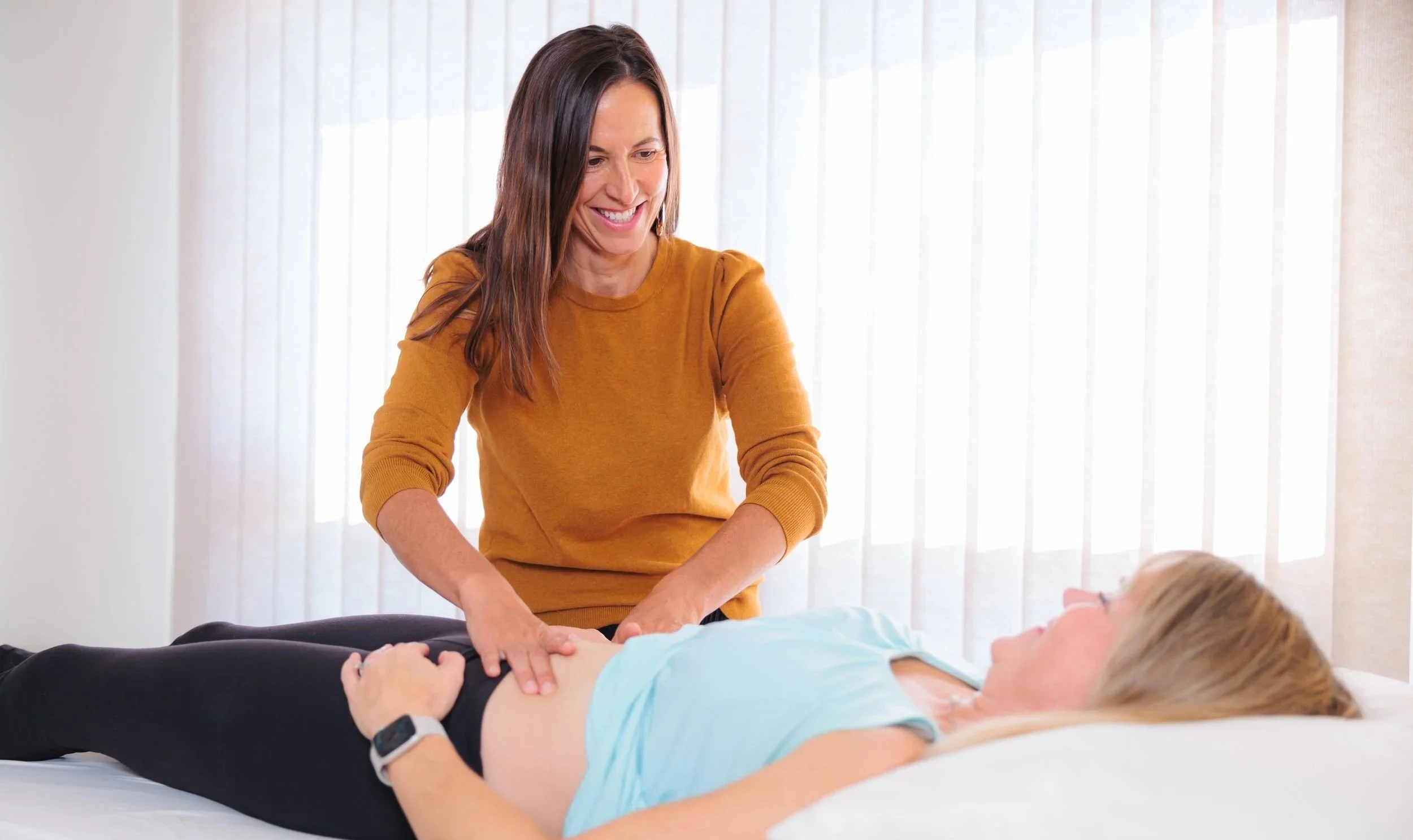
Treatment may include gentle abdominal manual therapy, visceral mobilization, breathing strategies, mobility work, pelvic floor relaxation and coordination, toileting mechanics, and individualized strategies to support more comfortable bowel function.
How pelvic floor physical therapy can help bowel symptoms
Pelvic floor physical therapy for bowel concerns may include:
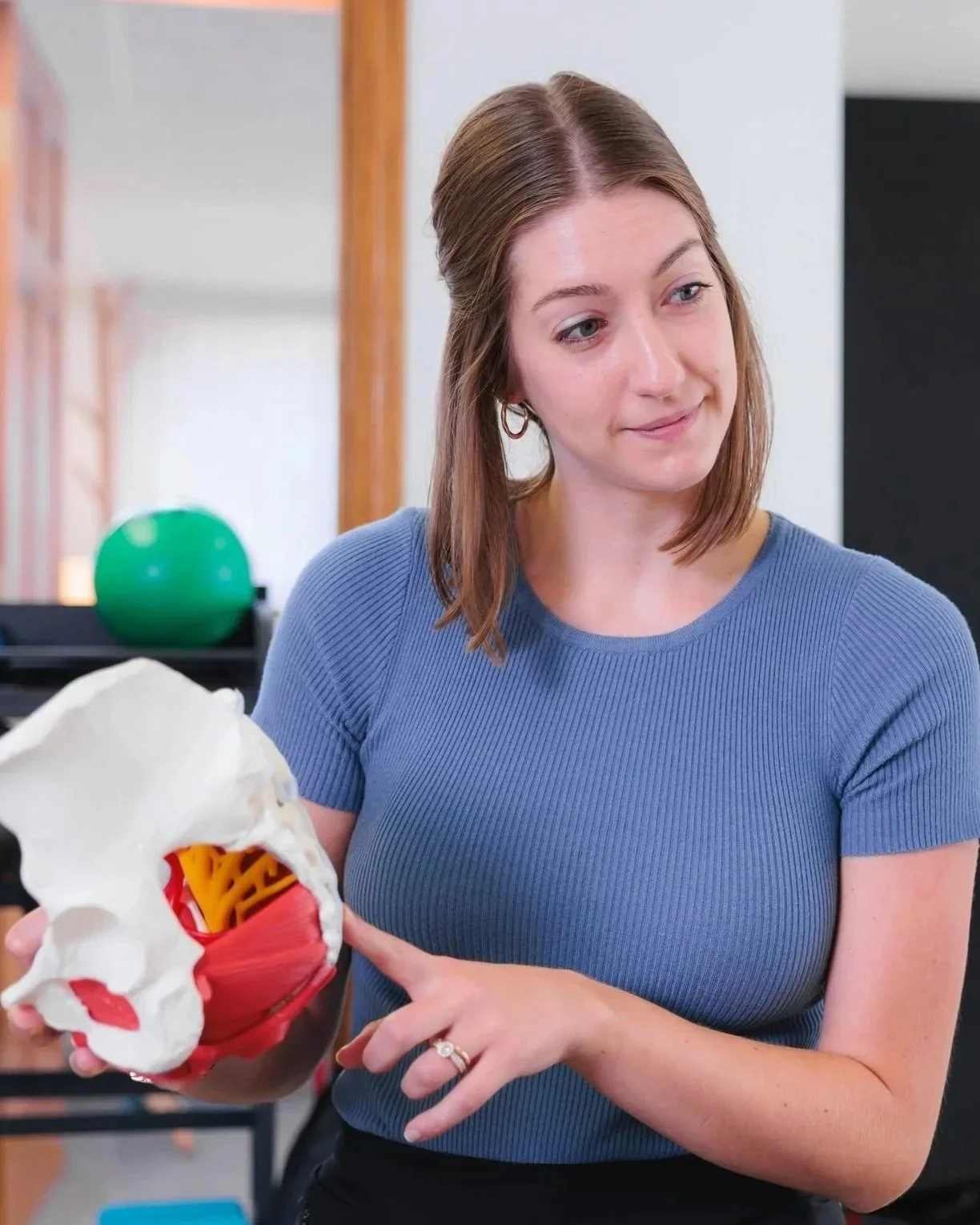
Pelvic floor muscle assessment and coordination
Pelvic floor relaxation and downtraining
Strengthening when appropriate
Toileting posture and bowel mechanics
Breathing strategies for easier emptying
Pressure management
Visceral mobilization and gentle abdominal manual therapy
Scar mobility when relevant
Core, hip, rib, and spine mobility
Bowel habit education
Constipation strategies
Urge management strategies for bowel urgency
Support for bowel leakage or gas leakage
Nervous system calming strategies
A personalized home program that fits your life
Your treatment plan will depend on your symptoms, your evaluation, your comfort level, and your goals. We do not use a one-size-fits-all approach.
We look beyond the bowel
Bowel symptoms often involve more than the bowel itself. The pelvic floor, abdomen, diaphragm, hips, low back, rib cage, bladder, and nervous system all influence how your body manages pressure, movement, urgency, and emptying.
Constipation can contribute to bladder urgency, leakage, pelvic pressure, or pelvic pain. Pelvic floor tension can make it harder to empty fully. Scar tissue from abdominal or pelvic surgeries can affect tissue mobility. Stress, pain, and nervous system sensitivity can make bowel symptoms feel more intense or harder to predict.
This is why we take a whole-body approach. We want to understand the full picture so we can address the factors that are most relevant to you.
Bowel symptoms can affect people of all ages and genders
Bowel concerns are often under-discussed, but they can affect people of all genders and ages.
Women may notice bowel symptoms during pregnancy, postpartum recovery, perimenopause, menopause, after gynecologic surgery, or with pelvic pain.
Men may notice bowel symptoms alongside pelvic pain, low back or hip pain, urinary symptoms, stress, constipation, or pelvic floor tension.
Children can also experience constipation, stool withholding, bowel leakage, or bladder symptoms that are connected to bowel habits and pelvic floor coordination.
No matter your age, gender, or stage of life, bowel symptoms deserve thoughtful care. You deserve to understand what is happening and what options are available.
When to check in with your medical provider
Pelvic floor physical therapy can help with many bowel symptoms, but some symptoms should also be discussed with a medical provider.
Please contact your physician, gastroenterologist, colorectal specialist, OB/GYN, midwife, or primary care provider if you have blood in your stool, unexplained weight loss, fever, severe or worsening abdominal pain, new bowel changes that do not resolve, persistent diarrhea, vomiting, symptoms that wake you from sleep, or a significant change in bowel habits.
We are happy to collaborate with your medical team when needed. Bowel care is often best when you feel supported by the right providers.
You deserve to feel more comfortable and confident
Bowel symptoms can be frustrating, embarrassing, and disruptive. But you are not alone, and you do not have to figure it out by yourself. At Cultivate Your Wellbeing, we create a safe, supportive space to talk through what you are experiencing, assess how your body is functioning, and build a plan that supports more comfortable bowel movements, less straining, better control, and more confidence in daily life.
Ready to get support for bowel concerns?
If you are dealing with constipation, urgency, incomplete emptying, abdominal discomfort, IBS-type symptoms, or bowel leakage, pelvic floor physical therapy can help. Call or text Cultivate Your Wellbeing to schedule an evaluation, or request a free 15-minute virtual consult to talk through what you are experiencing and whether pelvic floor physical therapy may be the right next step.
Want to learn more? These resources may help you better understand how pelvic floor physical therapy can support bowel concerns.
Related reading from our blog
Patient Experiences
“Cultivate Your Wellbeing was just wonderful. Katie was warm, supportive and very informative, I never felt rushed or unheard. I always left our sessions feeling optimistic, with tools to use that were always helpful and effective.
I recommend her very highly!”
“Highly recommend! I went to Cultivate mainly for treatment regarding tight fascial tissue and pelvic floor muscles. I had six visits and the treatment never felt invasive. It helped me release tension throughout my body that I didn’t even originally realize was there, and I now have a better understanding of my body. Katie has a calm and inviting presence, and is deeply knowledgable and informative when performing treatments. The exercises that she provided me to do at home post treatment are also simplistic, quick and productive.”
“After having unusual abdominal pain my PCP wanted me to have a CT Scan done, I decided to look into Pelvic Therapy to see if it was more muscular issues. After meeting with Jennie and discussing my issues I knew I was in good hands with getting relief. Jennie explained what my body was doing and how to fix my issue. RELIEF after the first treatment. I am so thankful for the knowledge she provided and the exercises she has me incorporated into my day. Jennie makes it workable for your schedule!”
Frequently Asked Questions
-
Yes. Diet, hydration, fiber, and daily habits can all play an important role in constipation. But constipation is not always just about what you eat or how much water you drink. For some people, constipation is also related to how the pelvic floor, abdominal wall, breathing, bowel habits, and nervous system are working together.
At Cultivate Your Wellbeing, we look at the full picture. Treatment may include pelvic floor coordination, relaxation strategies, bowel habit education, toilet positioning, breathing mechanics, abdominal or visceral manual therapy, movement strategies, hydration and fiber guidance, and support for building a routine that helps your body empty more comfortably.
-
The feeling of incomplete emptying can happen when the pelvic floor does not relax or coordinate well during a bowel movement. Instead of lengthening and allowing stool to pass, the muscles may stay tense, tighten, or work against you without you realizing it.
This can lead to straining, repeated trips to the bathroom, a feeling of stool being “stuck,” or the sense that you are never fully done. Stool consistency can also play a role, which is why we talk through habits, diet, hydration, fiber, timing, and routines that may affect how easily stool moves and empties.
At Cultivate Your Wellbeing, we help you understand how your pelvic floor, breath, abdomen, bowel mechanics, and daily habits are working together so emptying can feel easier and more complete.
-
Pelvic floor dyssynergia means the pelvic floor muscles are not coordinating well during a bowel movement. Instead of relaxing and lengthening to allow stool to pass, the muscles may tighten, hold tension, or contract at the wrong time.
This can contribute to constipation, straining, incomplete emptying, bloating, abdominal discomfort, or the need to use extra effort to have a bowel movement. At Cultivate, we help you understand what your body is doing and practice strategies to improve coordination, relaxation, and bowel mechanics.
-
Yes, constipation and straining can increase pressure through the abdomen and pelvis. Over time, this can contribute to pelvic heaviness, prolapse symptoms, hemorrhoids, pelvic floor tension, abdominal discomfort, and bowel or bladder symptoms.
This is one reason we take bowel symptoms seriously. Helping you reduce straining and improve bowel mechanics can support not only bowel function, but also your pelvic floor, core, bladder, and overall comfort.
-
Yes. Bowel leakage, also called fecal incontinence, can be related to pelvic floor weakness, poor coordination, urgency, stool consistency, scar tissue, nerve irritation, pelvic surgery, birth injuries, constipation, or difficulty sensing and responding to bowel signals.
At Cultivate Your Wellbeing, we work to understand what is contributing to your symptoms so your plan is specific to your body. Treatment may include pelvic floor coordination, strengthening when appropriate, bowel habit strategies, stool consistency support, urge control strategies, and education to help you feel more confident in daily life.
-
Not always. An internal pelvic floor assessment can provide helpful information about pelvic floor tension, strength, coordination, tenderness, and how the muscles respond when you bear down or try to relax. For bowel concerns, this may include a vaginal or rectal assessment depending on your symptoms, comfort level, and goals.
However, an internal exam is never required. We can also assess breathing, posture, abdominal mobility, movement patterns, toilet mechanics, pressure management, and external pelvic floor function. We will always explain your options, answer your questions, and ask for your consent before any part of your exam or treatment.
What to Expect
Your care is always one-on-one and tailored to your goals. Sessions may include hands-on treatment, movement and exercise, and education to help you better understand your body and symptoms. We move at your pace and prioritize your comfort every step of the way.
Not Sure Where to Start?
You’re not alone. Many people come in unsure of what pelvic health physical therapy involves or whether it can help. We’re here to answer your questions, understand your concerns, and guide you through the process.
Wondering if Pelvic Health Physical Therapy is right for you? Book a Free 15 Minute Consult.