
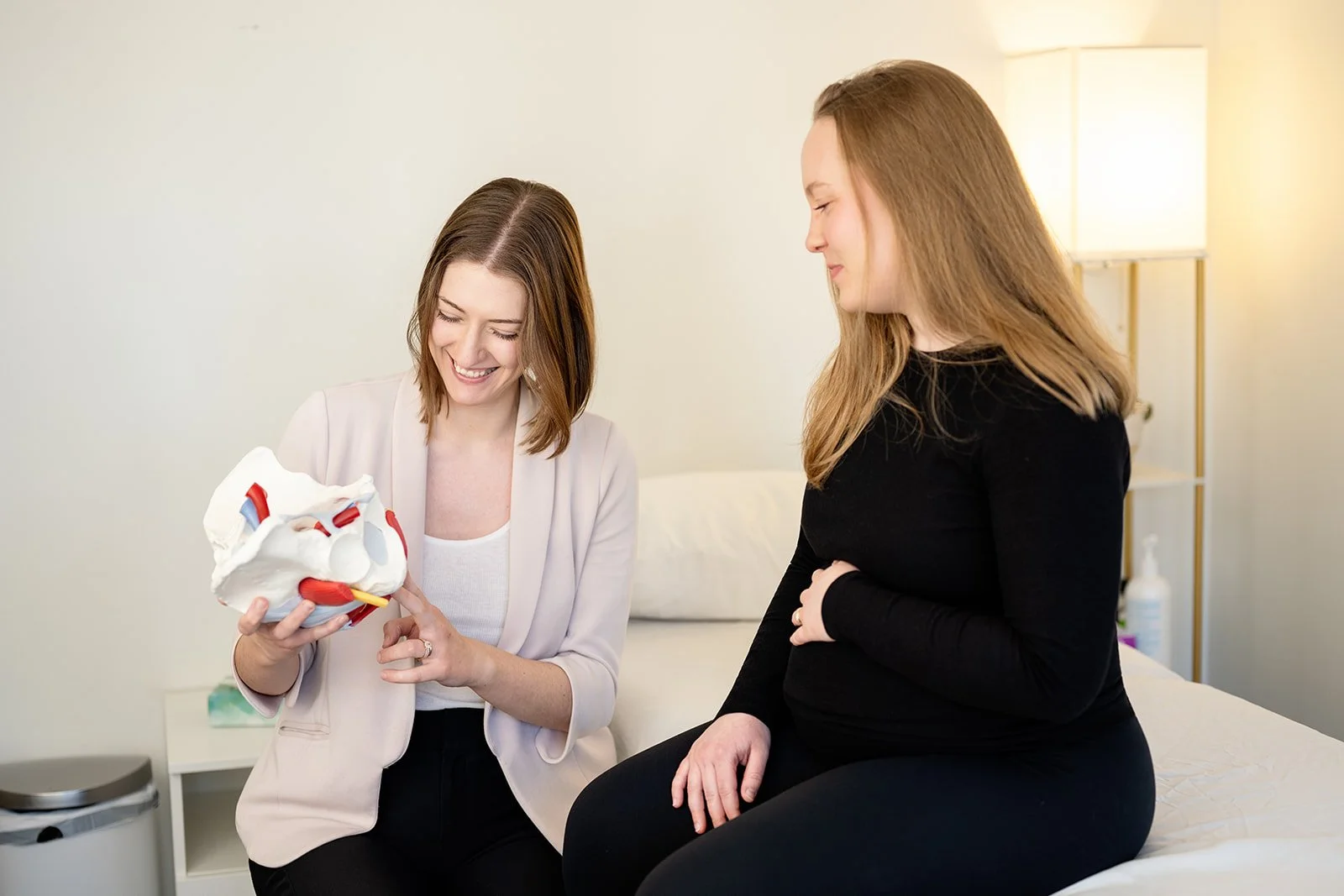
Pregnancy Pelvic Floor Physical Therapy & Birth Preparation in Mequon and Brookfield, WI
Pregnancy is an incredible season of change, but it can also bring symptoms that make it harder to move, sleep, exercise, work, or feel like yourself. Pelvic pain, bladder leaks, pressure, low back pain, pubic bone pain, rib discomfort, and core changes are common during pregnancy, but that does not mean you simply have to push through them.
At Cultivate Your Wellbeing, we provide pregnancy pelvic floor physical therapy and birth preparation support in Mequon and Brookfield, WI. Our doctors of physical therapy and certified pelvic health specialists take a whole-body, individualized approach to care. We help you manage symptoms, support your changing body, and prepare your pelvic floor, core, and breath for labor, delivery, and postpartum recovery.

Pregnancy changes the way your body moves, breathes, balances, and manages pressure. As your baby grows, your posture, abdominal wall, pelvic floor, hips, back, ribs, and diaphragm all adapt. Sometimes those changes feel manageable. Other times, they can contribute to pain, pressure, leaking, or a feeling that your body is not keeping up with the demands of daily life.
Support for your body through pregnancy
You deserve care that supports both your comfort now and your recovery later.
At Cultivate Your Wellbeing, we take time to listen, look at the whole picture, and create a treatment plan based on your symptoms, your stage of pregnancy, your birth goals, and your comfort level. Whether you are hoping to stay active, reduce pain, prepare for birth, prevent worsening symptoms, or feel more confident going into postpartum recovery, your care plan should be built around you.
How pelvic floor physical therapy supports pregnancy
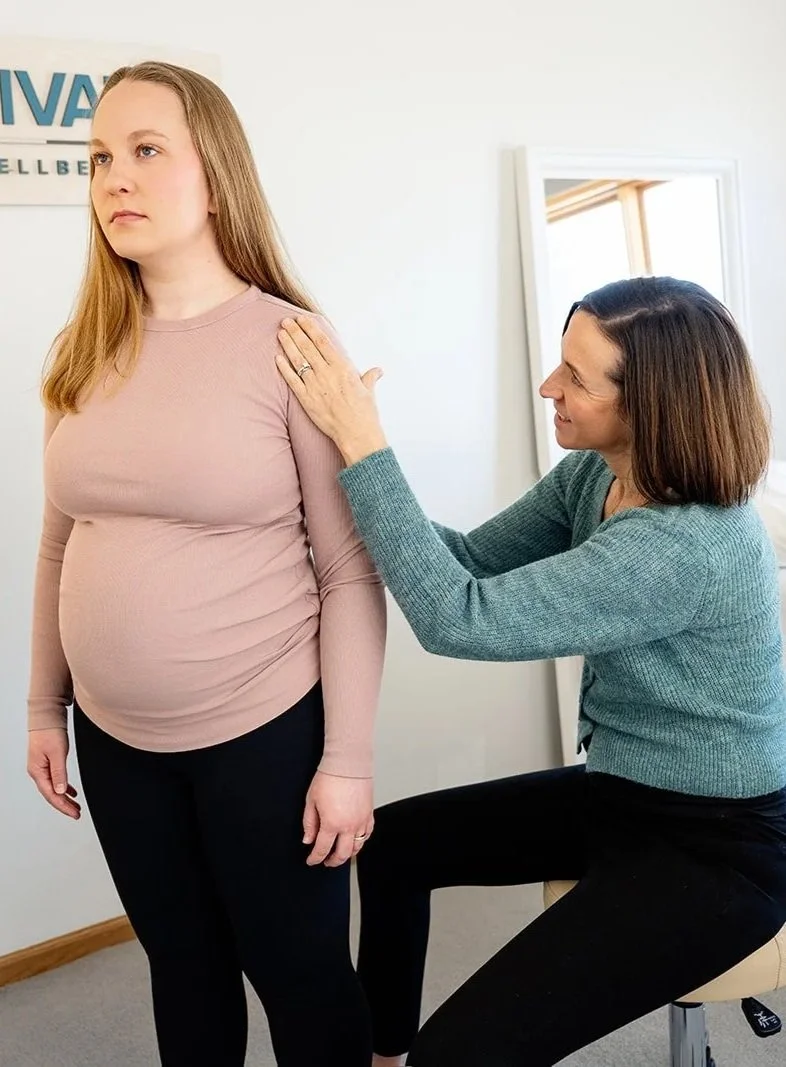
Pregnancy support is not just about doing Kegels. In fact, many pregnant patients need help learning how to coordinate the pelvic floor, breath, deep core, hips, and abdominal wall, not just strengthen one area.
Pelvic floor physical therapy during pregnancy may help with:
Pelvic pain or pressure
Pubic bone or pubic symphysis pain
SI joint pain
Hip, tailbone, or low back pain
Round ligament discomfort
Rib or upper abdominal tension
Bladder leaking, urgency, or frequency
Constipation or difficulty emptying
Pain with intimacy
Core weakness or abdominal separation concerns
Heaviness or pressure with movement
Difficulty exercising comfortably
Questions about safe movement, lifting, or returning to activity
Preparing the pelvic floor for labor and delivery
Preparing for C-section or vaginal birth recovery
You do not need to wait until symptoms are severe to come in. Many patients benefit from proactive pregnancy support, especially if they want to better understand their body, modify exercise, prepare for birth, or set themselves up for a smoother postpartum recovery.
Birth preparation that looks at the whole body
Birth preparation is about more than having a birth plan. Your pelvic floor, hips, pelvis, abdomen, ribs, diaphragm, nervous system, and breath all play a role in how your body manages labor and delivery.
In birth preparation sessions, we may work on pelvic floor coordination, relaxation, breath mechanics, labor positioning, pushing strategies, mobility, and ways to reduce unnecessary tension. We can also help you understand how your body responds to effort, pressure, and different positions so you feel more prepared and less unsure going into birth.
This does not mean there is one perfect way to labor or deliver. It means you have more tools, more body awareness, and more confidence as you approach the experience.
What treatment may look like
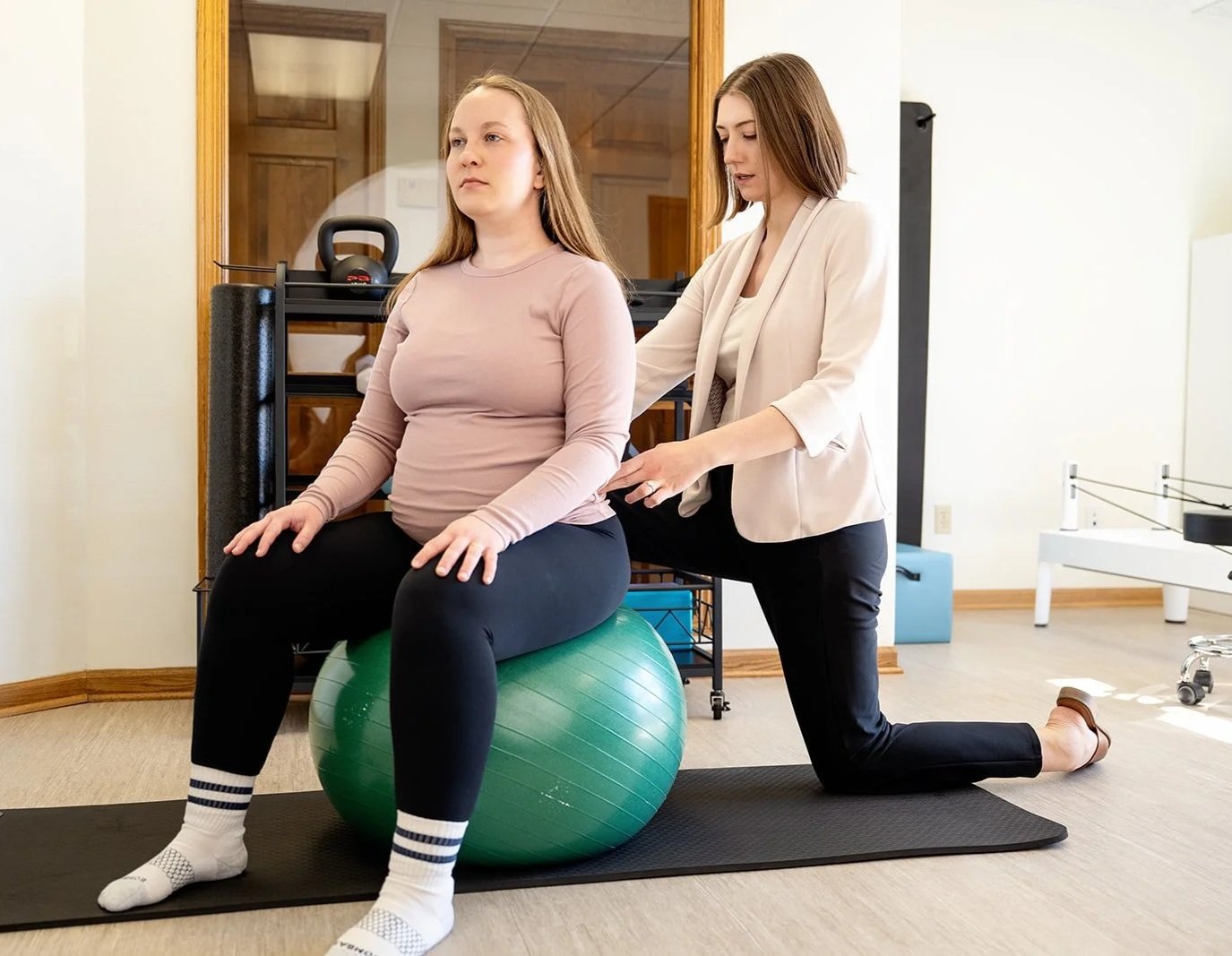
Your care will depend on your symptoms, goals, stage of pregnancy, and birth preferences. Treatment may include a combination of hands-on care, movement, education, and home strategies.
Pregnancy support and birth preparation may include:
Pelvic floor assessment and coordination training
Breathwork and pressure management
Core and deep abdominal support
Hip, pelvis, rib, and spinal mobility
Manual therapy for pain, tension, or mobility restrictions
Gentle strengthening for pregnancy and postpartum preparation
Education around lifting, exercise, and daily movement
Labor and birth positioning
Pushing preparation and pelvic floor relaxation strategies
Perineal massage education when appropriate
Constipation and bladder habit support
Guidance for C-section or vaginal birth recovery
A personalized home program that fits your body and your life
When appropriate and with your consent, we may discuss an internal pelvic floor assessment to better understand pelvic floor tension, coordination, or relaxation. This is never required. We will always talk through your options and move at a pace that feels comfortable for you.
Common reasons patients come in during pregnancy
Some patients come to pelvic floor physical therapy because they are in pain and need relief. Others come because they want to feel stronger, more confident, and better prepared for birth and postpartum recovery.
We commonly support pregnant patients with:
Pubic symphysis pain
SI joint pain
Low back or hip pain
Tailbone pain
Pelvic pressure or heaviness
Round ligament pain
Urinary leaking
Urinary urgency or frequency
Constipation
Pain with intercourse
Diastasis recti concerns
Exercise modifications
Birth preparation
Pushing preparation
C-section preparation
Postpartum recovery planning
Your symptoms do not need to be “bad enough” to deserve support. If something feels off, uncomfortable, or confusing, pelvic floor physical therapy can help you better understand what is happening and what options you have.
Preparing for postpartum starts before birth
Many people are given a lot of information about pregnancy and birth, but very little guidance on how to care for their body afterward. We believe postpartum recovery deserves more support than simply waiting six weeks and hoping everything feels okay.
During pregnancy, we can talk through what to expect after birth, how to support early healing, how to care for your pelvic floor and core, and how to gradually return to movement. We can also help you understand what symptoms are common, what symptoms are a sign to seek support, and how to advocate for your recovery.
Whether you are planning a vaginal birth, C-section birth, VBAC, or are unsure how birth will unfold, we can help you prepare for the early postpartum season with more confidence.
Patient Experiences
“I started working with Jennie around 32 weeks pregnant when I had discomfort and concerns, and almost immediately I felt relief. That relief continued throughout the rest of my pregnancy. I had zero tears during labor, and I owe a majority of that to pelvic PT preparing me. Postpartum, I was also having common issues such as diastasis recti and leaking, all of which were properly managed and healed through manual work at my appointments and exercises to do at home. Jennie does a great job of making you feel comfortable, both physically and mentally. She really listened to all my concerns and provided a personalized plan to help me feel like myself again. I could not recommend her more for pregnancy and postpartum recovery.”
“I’ve seen Jennie for both prenatal and postnatal care. She helped me have a more comfortable pregnancy and heal after two births. Cultivate Your Wellbeing’s office is more like visiting a friend than an appointment. You will feel welcome, heard, and leave feeling better. They will even help hold your baby if you can’t find a sitter. Highly recommend.”
“Jennie helped me tremendously throughout my pregnancy. I struggled with back pain, and within two sessions I was feeling great relief. She also spent time giving me tips on how to manage pain during labor. My recovery felt so much easier, and I believe it was due to all the prep work beforehand.”
Related reading from our blog
Want to learn more? These resources may help you better understand how pelvic floor physical therapy can support pregnancy, birth preparation, and postpartum recovery.
Frequently Asked Questions
-
You can start pelvic floor physical therapy at any point during pregnancy. Some patients come early because they are having pelvic pain, bladder symptoms, constipation, or difficulty staying active. Others come later in pregnancy to prepare for labor, delivery, and postpartum recovery.
There is no “perfect” week to begin. If you are having symptoms, it is worth getting support sooner rather than waiting until they become harder to manage. If your main goal is birth preparation, we recommend starting around 18 weeks so we have time to work on pelvic floor awareness, breathing, mobility, positioning, pushing coordination, and strategies for postpartum recovery.
-
Yes. Pelvic pain, pubic bone pain, SI joint pain, hip pain, and low back pain are common during pregnancy, but that does not mean you have to simply push through them.
During pregnancy, your body is adjusting to changes in posture, pressure, hormones, breathing mechanics, core support, and the way your hips, pelvis, back, and pelvic floor work together. When these areas are not coordinating well, pain or pressure can show up with walking, rolling in bed, stairs, exercise, standing, sitting, or daily activities.
Pelvic floor physical therapy can help by looking at the whole system. Treatment may include hands-on care, pelvic and hip mobility, core support, breathwork, pressure management, strengthening, movement modifications, and strategies to help you move with more comfort and confidence.
-
Yes. Bladder and bowel changes are common during pregnancy, and pelvic floor physical therapy can help.
Bladder leaking, urgency, frequency, constipation, straining, or difficulty emptying can be influenced by pressure changes, pelvic floor coordination, posture, breathing, hydration, bowel habits, and how your core and pelvic floor respond to movement.
Treatment may include pelvic floor coordination, pressure management, toileting strategies, bowel support, bladder habit education, breathing techniques, strengthening when appropriate, and practical tools you can use at home. The goal is not just to tell you to “do Kegels,” but to help you understand what your body actually needs.
-
Birth preparation is about helping you understand how your pelvic floor, breath, core, hips, and nervous system can work together during labor and delivery.
Pelvic floor physical therapy may include pelvic floor awareness, relaxation and coordination, breathing strategies, pushing preparation, labor and birth positions, hip and pelvic mobility, perineal massage education when appropriate, and guidance for early postpartum recovery.
The goal is not to create one perfect birth plan or guarantee a specific outcome. The goal is to help you feel more informed, more connected to your body, and more prepared for the physical demands of labor, delivery, and healing afterward.
-
Not necessarily. An internal pelvic floor assessment can be helpful for some pregnant patients, but it is never required.
An internal assessment may give us more specific information about pelvic floor tension, tenderness, coordination, relaxation, and how the muscles respond to breath or movement. Internal pelvic floor treatment can also be helpful for birth preparation, especially when we are working on pelvic floor relaxation, tissue mobility, previous perineal scars, or areas of tension that may affect comfort during pregnancy, labor, delivery, or intimacy.
However, many patients receive pregnancy pelvic floor physical therapy without an internal exam. We can also assess posture, breathing, movement, hips, low back, abdomen, pelvic positioning, pressure management, and external pelvic floor function.
We will always explain your options, answer your questions, and ask for your consent before any part of the exam or treatment. Your comfort matters, and your care should always feel respectful, informed, and collaborative.
-
Yes. Pelvic floor physical therapy can help you better understand how to coordinate your breath, core, and pelvic floor during pushing.
Many people think birth preparation is only about strengthening the pelvic floor, but the pelvic floor also needs to know how to relax, lengthen, and coordinate. We can work on breath mechanics, pelvic floor relaxation, positioning, pressure management, and different strategies for pushing so you feel more prepared and less disconnected from what your body is doing.
This can be especially helpful if you feel anxious about pushing, have pelvic floor tension, have a history of pain, or simply want to feel more confident going into delivery.
-
Pelvic floor physical therapy cannot guarantee that you will not tear during birth. Tearing can be influenced by many factors, including baby’s position, tissue mobility, birth speed, pushing, delivery circumstances, and individual anatomy.
However, pelvic floor therapy can help support birth preparation in meaningful ways. We can work on pelvic floor relaxation and coordination, breathing, pushing mechanics, birth positions, hip and pelvic mobility, and perineal massage education when appropriate.
The goal is to help your pelvic floor and surrounding tissues move, lengthen, and coordinate as well as possible so you feel more prepared for birth and recovery.
-
Yes, pelvic floor physical therapy can still be helpful if you are planning a C-section.
Even if you do not have a vaginal birth, pregnancy still places demands on your pelvic floor, core, hips, back, bladder, bowels, and abdominal wall. Pelvic floor therapy can help with pregnancy discomfort, bladder or bowel symptoms, core support, pressure management, breathing, and preparation for early postpartum recovery.
After a C-section, pelvic floor therapy can also help with scar mobility, abdominal wall recovery, core strength, posture, lifting mechanics, return to exercise, and symptoms such as leaking, pelvic pressure, back pain, or pain around the scar.
-
No. In Wisconsin, you can schedule physical therapy without a physician referral. At Cultivate Your Wellbeing, you can call or text us directly to get started.
We also value collaboration with your medical team. While a referral is not required, many patients choose to have us send their evaluation findings and treatment plan to their OB, midwife, or other healthcare provider. We are also happy to communicate with your provider if questions or concerns come up during pregnancy.
If you are not sure whether pelvic floor physical therapy is the right next step during pregnancy, you can call or text our office or request a free 15-minute virtual consult. We would be happy to talk through what you are experiencing and help you decide whether an evaluation makes sense.
What to Expect
Your care is always one-on-one and tailored to your goals. Sessions may include hands-on treatment, movement and exercise, and education to help you better understand your body and symptoms. We move at your pace and prioritize your comfort every step of the way.
Not Sure Where to Start?
You’re not alone. Many people come in unsure of what pelvic health physical therapy involves or whether it can help. We’re here to answer your questions, understand your concerns, and guide you through the process.
Wondering if Pelvic Health Physical Therapy is right for you? Book a Free 15 Minute Consult.