
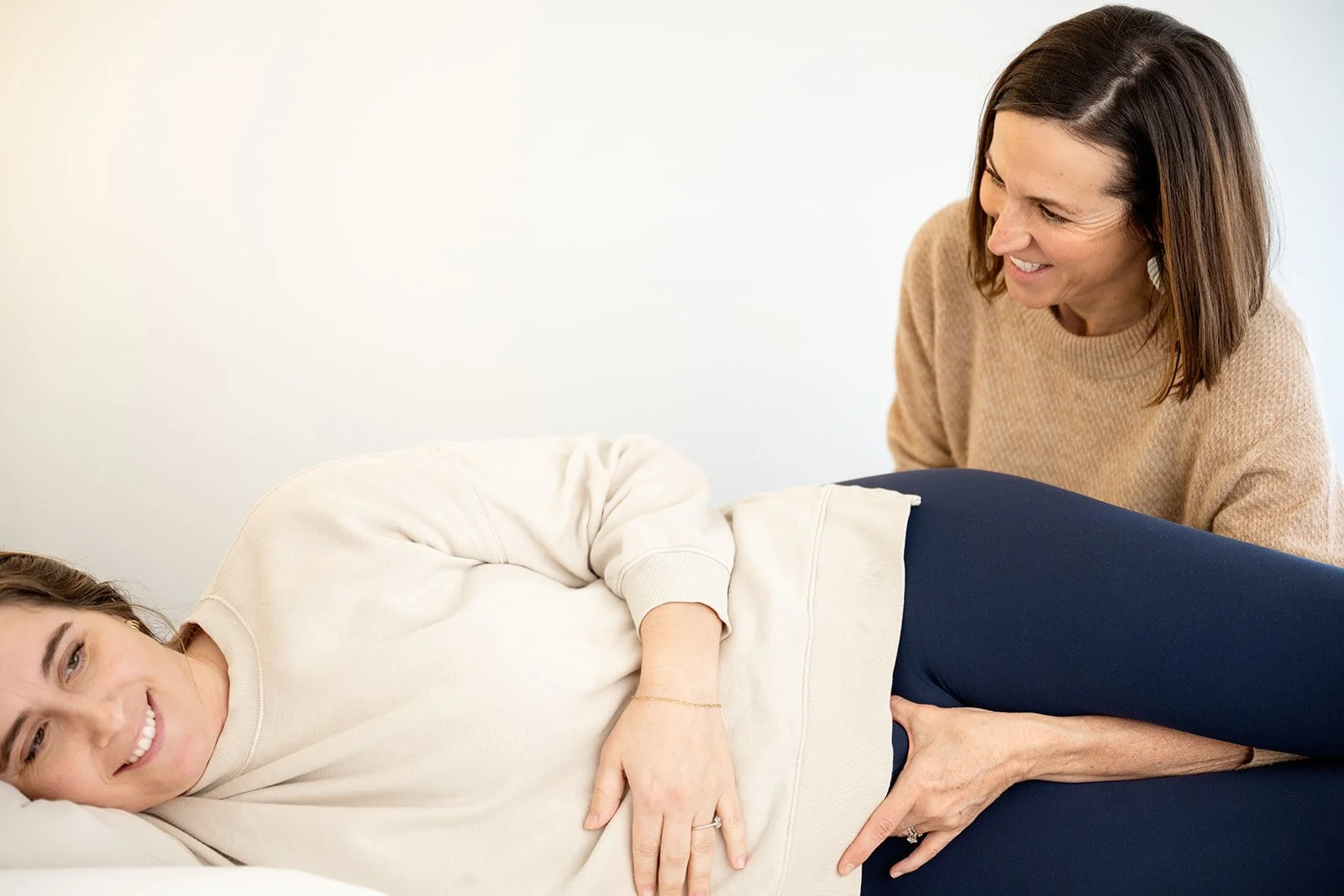
Endometriosis & Adenomyosis Pelvic Therapy Treatment in Mequon & Brookfield, WI
Endometriosis and adenomyosis symptoms can vary widely from person to person. For some, symptoms show up as painful periods, pelvic pain, pain with intimacy, bowel or bladder concerns, abdominal discomfort, fatigue, or flares that shift throughout the menstrual cycle. Over time, these symptoms can disrupt daily life, work, school, relationships, movement, and your overall quality of life.
These symptoms are real, and you deserve care that takes them seriously.
At Cultivate Your Wellbeing, we provide pelvic health physical therapy for endometriosis and adenomyosis in Mequon and Brookfield, WI, serving the North Shore, the Brookfield area, and surrounding communities. Our doctors of physical therapy and certified pelvic health specialists take a whole-body, individualized approach to care, helping you understand what may be contributing to your symptoms and creating a treatment plan that supports your real life.
Endometriosis pain is not “just bad cramps”
Endometriosis is a condition where tissue similar to the lining of the uterus grows outside the uterus. Adenomyosis occurs when tissue similar to the uterine lining grows into the muscle wall of the uterus. Both conditions can contribute to pain, inflammation, pelvic floor tension, abdominal discomfort, bowel or bladder symptoms, and pain that affects daily life.
Many people with endometriosis or adenomyosis are told their symptoms are normal, that they just have “bad periods,” or that everything looks fine on imaging. But pain that disrupts your life, affects intimacy, makes bowel movements difficult, or keeps you from moving through your day comfortably deserves attention.
At Cultivate Your Wellbeing, we believe your symptoms matter. Our goal is to help you feel heard, understand what may be contributing to your pain, and build a plan that supports your body, your goals, and your quality of life.
Common symptoms we support
At Cultivate Your Wellbeing, we commonly support patients with:
Painful periods
Chronic pelvic pain
Lower abdominal pain or cramping
Pain with intimacy or insertion
Pain with pelvic exams
Pain with bowel movements
Constipation, urgency, or incomplete emptying
Bladder pain, urgency, or frequency
Low back, hip, groin, or tailbone pain
Pelvic floor tension or difficulty relaxing
Abdominal tension, bloating, or discomfort
Scar tissue or pain after laparoscopic surgery
Pain that continues after endometriosis surgery
Difficulty returning to movement, exercise, or daily activities
Symptoms that flare around your cycle
Feeling guarded, tense, or disconnected from your body
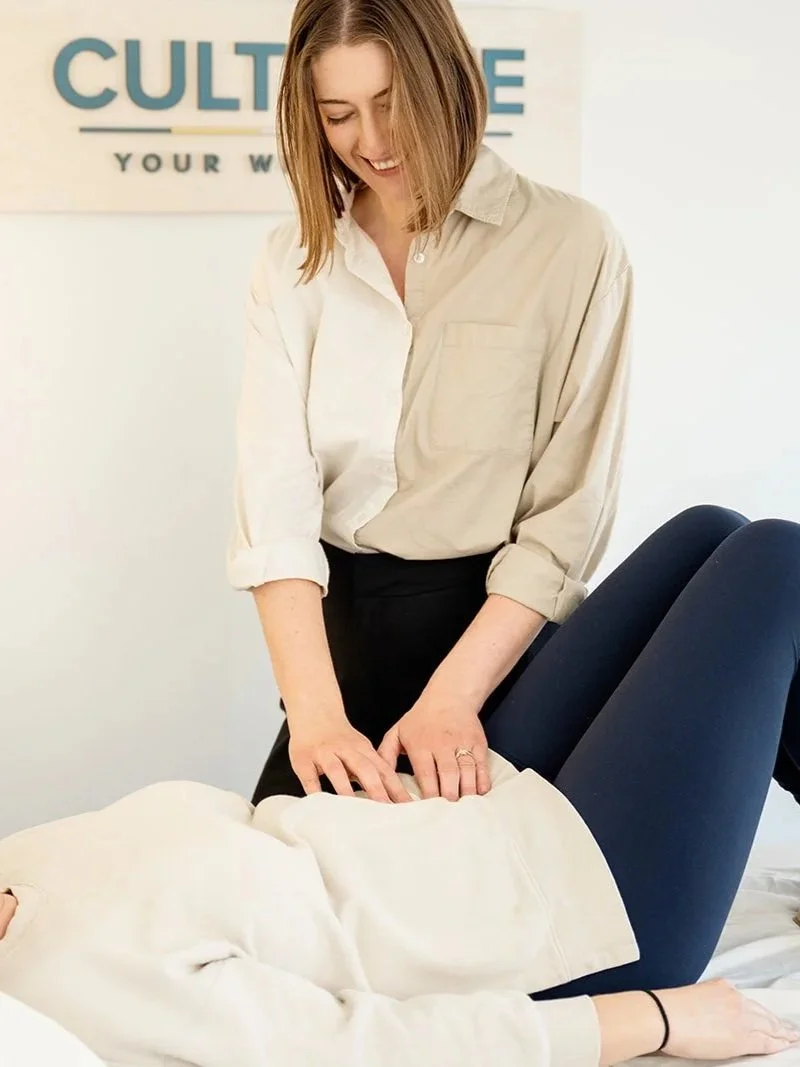
You do not need to know exactly what is driving your symptoms before starting care. Part of our role is helping you make sense of what your body is experiencing and what support may be helpful.
Pain can continue even after endometriosis surgery
Surgery can be an important part of endometriosis care, especially when performed by a skilled provider. But surgery does not always mean pain automatically goes away.
Surgery may remove endometriosis lesions, adhesions, or affected tissue, but pain can also involve the pelvic floor, abdominal wall, nerves, fascia, scar tissue, bladder, bowel, hips, spine, nervous system, and long-standing protective patterns. If your body has been living with pain for months or years, the muscles and nervous system may continue to respond as if they need to protect you, even after surgery. That does not mean the pain is “in your head.” It means pain is complex, and your body may need support beyond the surgical procedure itself.
Pelvic health physical therapy can help address the factors that may continue contributing to pain after surgery, including pelvic floor tension, abdominal or scar restrictions, bowel and bladder symptoms, movement patterns, breath-holding, nerve sensitivity, and nervous system protection.
How Cultivate Your Wellbeing can help with endometriosis and adenomyosis
At Cultivate Your Wellbeing, we start by listening to your story. Endometriosis and adenomyosis symptoms can be exhausting, frustrating, and personal. Your care should not feel rushed, dismissive, or one-size-fits-all.
Your treatment plan may include:
Education about pain, the pelvic floor, and your symptoms
Pelvic floor assessment and coordination
Pelvic floor relaxation and downtraining when tension is contributing to pain
Manual therapy for the pelvis, hips, abdomen, low back, or scars
Visceral or abdominal techniques
Scar mobility work after laparoscopic, C-section, hysterectomy, or other abdominal surgery
Breathwork and pressure management
Nervous system calming strategies
Movement and posture support
Bowel strategies for constipation, pain with bowel movements, or incomplete emptying
Bladder strategies for urgency, frequency, or bladder discomfort
Support for pain with intimacy, insertion, or pelvic exams
Graded exposure to movement, touch, or activities that feel painful or guarded
Return-to-exercise support
A personalized home program that fits your life
Pelvic floor physical therapy is not about giving every person the same stretches or exercises. At Cultivate, our goal is to help you understand what may be contributing to your symptoms and create a plan that helps you feel more comfortable, capable, and confident in daily life.
Endometriosis care often works best with a team
Pelvic health PT does not replace medical care for endometriosis or adenomyosis. We do not diagnose or remove endometriosis, and we are not here to tell you whether surgery, medication, hormone therapy, or another medical option is right for you. What we can do is support the muscle, movement, scar tissue, bowel, bladder, nervous system, pain, and intimacy pieces that often come along with these conditions.
For some patients, pelvic floor PT is helpful before surgery. For others, it is helpful after surgery or alongside medical management. Many people benefit from a team approach that may include a pelvic health physical therapist, gynecologist, endometriosis specialist, urologist, gastroenterologist, mental health provider, dietitian, or other healthcare providers.
At Cultivate Your Wellbeing, we love collaborating with your larger healthcare team when needed so your care feels more connected and supportive.
Endometriosis symptoms often overlap with other concerns
Endometriosis and adenomyosis symptoms rarely fit into one neat category. Pelvic pain may show up alongside constipation, painful bowel movements, urinary urgency or frequency, bladder discomfort, pain with intimacy, or discomfort with pelvic exams.
At Cultivate Your Wellbeing, we look at how the pelvic floor, abdomen, hips, back, bladder, bowel, nervous system, scar tissue, and movement patterns may be working together. This helps us create a treatment plan that supports the full picture instead of treating each symptom as if it exists on its own.
If bowel symptoms, bladder concerns, or pain with intimacy are a major part of your story, you may also find our related service pages helpful.
What to Expect at Cultivate Your Wellbeing
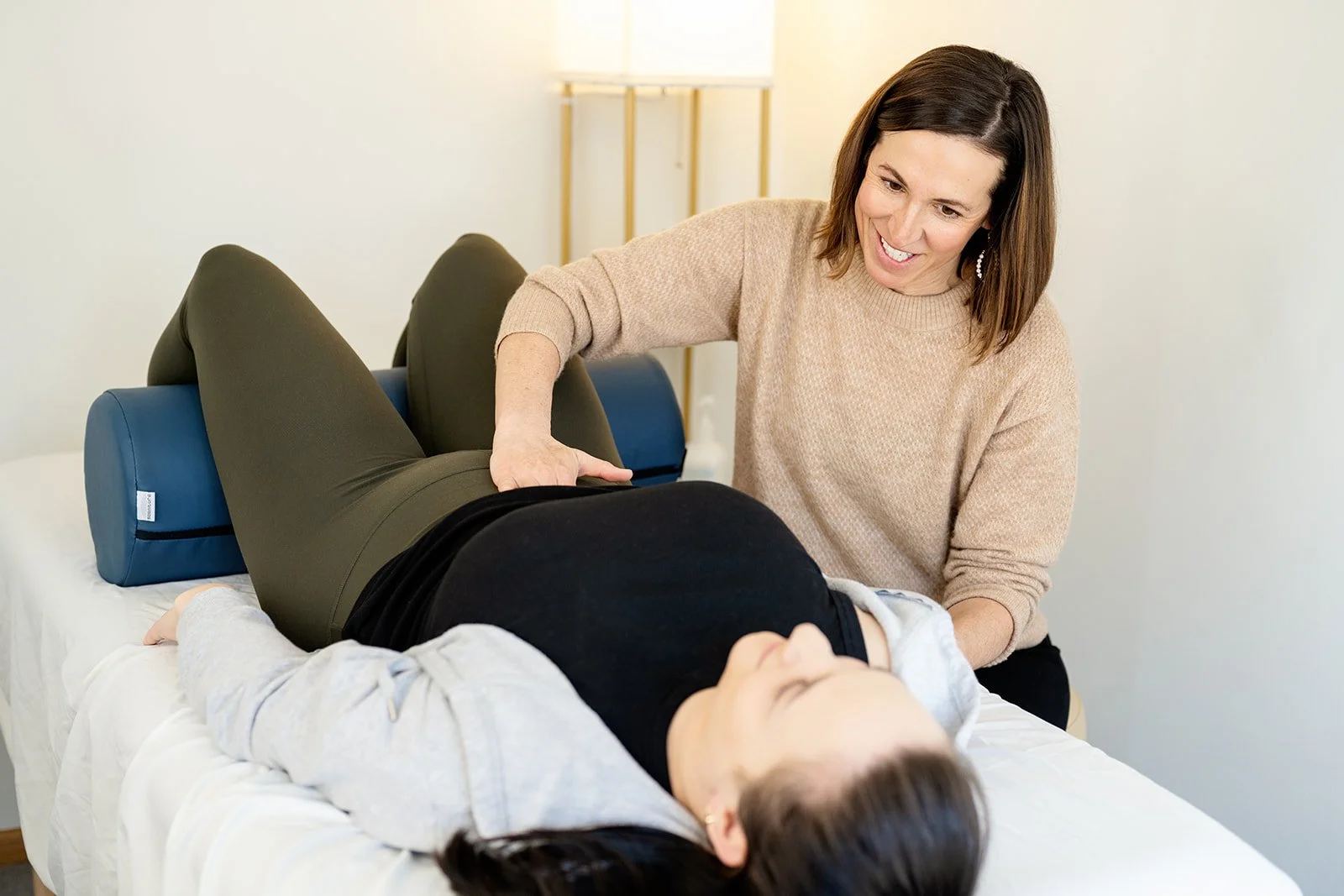
Endometriosis and adenomyosis symptoms can feel personal, sensitive, and sometimes hard to explain. At Cultivate Your Wellbeing, your first visit gives us time to listen to your story, understand your symptoms, and talk through what you want to feel more confident doing again.
Our care is education-first because we believe one of the best ways to support progress is to help you understand your body. When you understand what may be contributing to your symptoms, your plan starts to make more sense and you can feel more involved in decisions about your care.
Each visit is one-on-one with a doctor of physical therapy and tailored to your body, your comfort level, and your goals. We will always explain your options, answer your questions, and ask for your consent before any part of your exam or treatment.
Related reading from our blog
Want to learn more? These resources may help you better understand how pelvic floor physical therapy can support your symptoms

Patient Experiences
“I cannot recommend Jennie highly enough. I worked with her for two years, and she truly changed my life. She helped me regain control of my pelvic floor, played an important role in helping me get my endometriosis diagnosis, and supported me through a hysterectomy at a young age.
Throughout every step of my journey, Jennie was compassionate, knowledgeable, and incredibly supportive. She always made me feel heard, understood, and empowered.
I am so grateful for her care, guidance, and encouragement over the years. The progress I’ve made would not have been possible without her. Anyone looking for pelvic floor therapy would be lucky to work with Jennie. I highly recommend her and will truly miss working with her.”
Frequently Asked Questions
-
Yes. Pelvic health physical therapy can be an important part of care for many people with endometriosis.
Pelvic PT does not remove endometriosis lesions or treat the disease itself, but it can help address the pelvic floor, abdominal wall, scar tissue, nervous system, bowel, bladder, movement, and pain patterns that may contribute to symptoms.
At Cultivate Your Wellbeing, we help you understand what may be contributing to your pain and create a treatment plan that helps you feel more comfortable and confident in daily life.
-
Yes. Some people continue to have pain after endometriosis surgery because pain can involve more than the lesions themselves.
After months or years of pain, the pelvic floor, abdominal wall, nerves, fascia, bladder, bowel, scars, and nervous system may continue to be sensitive or guarded. Pelvic floor physical therapy can help address pelvic floor tension, scar mobility, movement patterns, bowel or bladder symptoms, pressure management, and nervous system protection after surgery.
-
No. Period cramps can be common, but severe pain that disrupts your life is not something you should have to push through.
If your periods cause intense pain, missed work or school, vomiting, fainting, severe fatigue, bowel or bladder pain, or pain that does not respond to typical strategies, it is worth talking with a medical provider.
Pelvic health PT can also help address the pelvic floor, abdominal, bowel, bladder, and nervous system pieces that may be contributing to pain.
-
A normal ultrasound or scan does not always rule out endometriosis. Some people have significant symptoms even when imaging does not clearly show what is happening.
If your symptoms are affecting your life, they deserve to be taken seriously. At Cultivate Your Wellbeing, we do not need imaging to “prove” your pain before we help you understand your body and address the pelvic floor, movement, bowel, bladder, scar, and nervous system factors that may be contributing.
-
Yes. Pelvic floor therapy can help when pain with intimacy, insertion, or pelvic exams is connected to pelvic floor tension, guarding, tissue sensitivity, scar tissue, nervous system sensitivity, bladder or bowel symptoms, or movement patterns.
At Cultivate Your Wellbeing, care is always consent-based. We explain your options, move at your pace, and build a plan that supports comfort and confidence. Internal assessment or treatment can be helpful for some patients, but it is never required.
-
No. You do not need to have surgery before starting pelvic floor PT.
Some people come to pelvic PT before surgery to help calm symptoms, improve pelvic floor coordination, address bowel and bladder habits, and prepare their body for recovery. Others come after surgery because pain, scar tightness, bowel or bladder symptoms, or pelvic floor tension are still present.
Pelvic health physical therapy can also support people who are pursuing medical management, are waiting for surgery, or are unsure what the next step should be.
-
Not always. An internal pelvic floor assessment can provide helpful information about pelvic floor tension, tenderness, coordination, strength, and how the muscles respond to breath or movement, but it is never required.
We can also assess breathing, posture, hips, low back, abdomen, scar tissue, movement patterns, pressure management, and external pelvic floor function. We will always explain your options, answer your questions, and ask for your consent before any part of your exam or treatment.
-
Yes. It is not too late to get support.
Many people with endometriosis or adenomyosis have had symptoms for years before finding answers. Your body can still respond to education, manual therapy, pelvic floor coordination, movement, breathwork, nervous system support, bowel and bladder strategies, and a plan that is specific to your needs.
Not Sure Where to Start?
Endometriosis and adenomyosis symptoms can be complex and often overlap with pelvic pain, bowel or bladder symptoms, pain with intimacy, painful periods, abdominal discomfort, scar tissue, and nervous system sensitivity. You do not have to figure it out alone.
You can schedule an evaluation online, call or text our office, or request a free 15-minute virtual consult. Our team can answer questions, help you schedule at our Mequon or Brookfield location, and talk through whether pelvic health physical therapy is the right next step.
Wondering if Pelvic Health Physical Therapy is right for you? Book a Free 15 Minute Consult.